

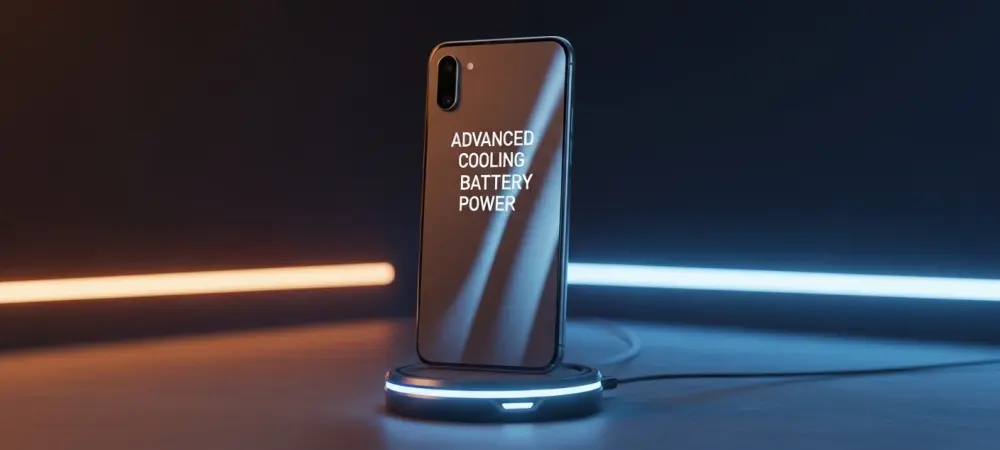
The relentless pursuit of aesthetic novelty in the smartphone industry has often yielded fleeting gimmicks, yet the arrival of the Tecno Pova 8 5G suggests a deliberate attempt to blend functional visual communication with rugged hardware utility. This release signals a strategic pivot that prioritizes personality and stamina over incremental processor bumps.
The manufacturer aims to capture a market segment that values long-term reliability. By introducing the “Alive Matrix” interface, the device attempts to bridge the gap between niche enthusiast hardware and accessible electronics for the modern consumer.
The Alive Matrix Effect: How Tecno’s New Visual Identity Redefines the Mid-Range Experience
Smartphone design often feels like a race toward the same glass-sandwich finish, but the Pova 8 5G breaks this monotony with its Alive Matrix interface. This system utilizes a dot-matrix array integrated into the camera module to provide visual feedback for notifications.
This aesthetic pivot suggests that the brand is no longer content with making budget-friendly phones. They are actively competing for users who value a distinct, interactive hardware personality similar to premium niche handsets.
The Battery Wars: Understanding the Shift from Peak Performance to Unmatched Endurance
The Pova 8 5G signals a significant shift in priorities away from chasing peak benchmark scores in favor of extreme battery longevity. As mobile gaming becomes standard, the anxiety of mid-day battery depletion has become a primary concern for consumers. Tecno is betting that users will trade a slight dip in raw speed for a device that genuinely survives two or three days of heavy usage. This approach addresses the practical reality of current mobile habits.
Technical Trade-offs: Comparing the Dimensity 7100 Chipset and the Pova 8’s Advanced Cooling Systems
The inclusion of the MediaTek Dimensity 7100 represents a regression from the Dimensity 7300 Ultimate found in its predecessor. However, the hardware story is more nuanced than a simple chip swap in the current market. To mitigate the impact on multitasking, a massive 15,000 mm² graphite cooling sheet maintains performance without thermal throttling. The internal architecture focuses on stability, ensuring the 50 MP Sony sensor remains responsive under stress.
Strength in Numbers: Quantifying the 8,000 mAh Capacity and Military-Grade Durability Standards
Moving to a staggering 8,000 mAh battery sets a new benchmark for the lineup, supported by 45W wired and 30W wireless charging. This power cell is designed for high-activity lifestyles where constant power access is unavailable. Beyond the battery, the device’s reliability is backed by MIL-STD 810H certification and an IP64 rating. These specifications provide a level of physical resilience rarely seen at the competitive $313 price point.
A Buyer’s Framework: Assessing the Value Proposition of the Pova 8 5G Against Its Predecessor
Evaluating the Pova 8 5G required a clear understanding of specific user needs regarding uptime and durability. The previous generation’s chipset held an edge in rendering, yet the new model offered a more balanced ecosystem for the active user.
Industry watchers anticipated how these durability standards would influence future budget designs. Decisions to adopt such hardware focused on long-term utility and unique visual presence over short-term speed.