

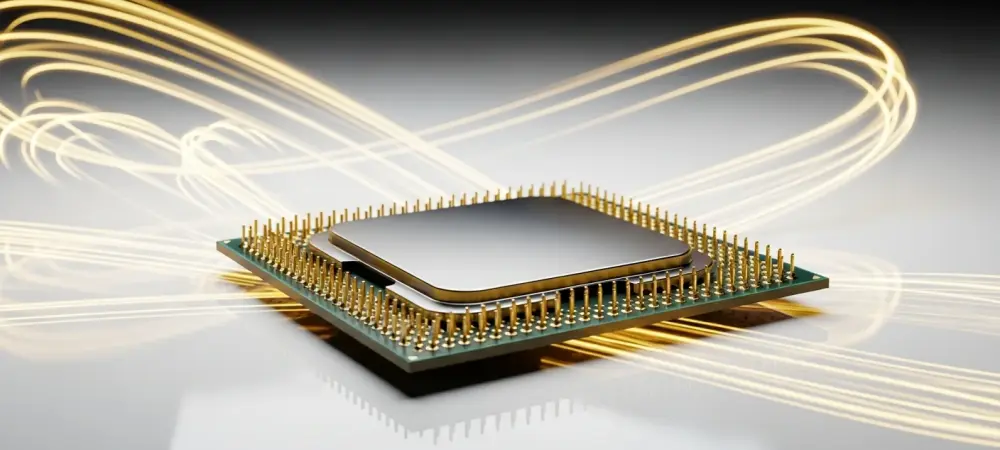
The arrival of a new flagship processor typically signals a massive leap in computing power, yet the release of the Ryzen 9950X3D2 has sparked a complex debate regarding the actual value of peak silicon performance in the current market. While this component technically secures the title of the fastest gaming chip in the world, the victory feels increasingly pyrrhic when the performance delta over existing hardware is measured in single-digit percentages. For enthusiasts who prioritize having the absolute best technology regardless of cost, the dual 3D V-cache implementation represents an impressive feat of engineering. However, the broader consumer base is finding it difficult to reconcile a twenty-five percent price increase with gains that are often imperceptible during standard gameplay. This discrepancy highlights a growing tension between the pursuit of technical benchmarks and the practical realities of hardware budgets, especially as the industry reaches a point of diminishing returns for traditional x86 architectures.
Performance Benchmarks and the High Cost of Enthusiasm
The technical composition of the Ryzen 9950X3D2 reveals a specialized architecture designed to push the boundaries of low-latency data access through its expanded cache system. Despite this sophisticated design, comprehensive testing across various gaming titles shows that the chip often leads its predecessors by only a narrow margin, sometimes as low as three to five percent in high-resolution scenarios. This marginal improvement stands in stark contrast to the premium price tag, which hovers around the thousand-dollar mark for the standalone unit. Tech critics have pointed out that while the hardware is undeniably capable, the return on investment for a dedicated gamer is historically low. This suggests that the product serves more as a showcase of manufacturing prowess than a viable upgrade path for users already utilizing recent high-end components. The shift toward such an aggressive pricing structure marks a significant departure from previous generations, where price-to-performance ratios were more balanced.
Building on these performance observations, the architectural changes have also impacted the traditional strengths of the X3D series, particularly regarding thermal and power efficiency. Traditionally, these processors were celebrated for delivering high frame rates while maintaining a relatively low power draw, but the new flagship has seen a notable increase in energy consumption. This shift has drawn criticism from those who valued the efficiency of the Zen platform, as the added power requirements necessitate more robust cooling solutions and higher-capacity power supplies. Interestingly, the chip has found an unexpected audience within the professional sector. For those engaged in specialized workstation tasks that benefit from massive cache sizes but cannot justify the expense of a full Threadripper ecosystem, this processor functions as a capable middle ground. However, this niche utility does not fully mask the fact that for the average user, the chip remains an expensive luxury that offers more overhead than most modern software can effectively utilize.
Marketing Strategies and Long-Term Hardware Considerations
The rollout of the Ryzen 9950X3D2 was accompanied by a controversial distribution strategy that raised questions about the transparency of the hardware industry. By excluding several prominent independent testing outlets from the initial review cycle, the manufacturer appeared to be carefully managing the narrative surrounding the chip’s value proposition. This selective sampling led many to speculate that the internal data already signaled a difficult reception regarding the price-to-performance ratio. When independent reviews finally surfaced, they largely confirmed the suspicion that the chip is a “halo product”—a term used to describe hardware meant to generate prestige rather than volume sales. Such strategies can sometimes backfire, as savvy consumers look toward community-driven data rather than polished marketing materials. This environment has forced a more critical examination of how top-tier components are marketed to a public that is becoming increasingly wary of incremental updates sold at substantial premiums.
Looking forward, the hardware landscape from 2026 to 2028 will likely require a shift in how consumers approach system builds, moving away from chasing flagship chips in favor of optimized mid-range configurations. The marginal gains observed in this generation suggest that software optimization and GPU performance will play a more significant role in the user experience than raw CPU frequency or cache expansion. Prospective buyers should consider waiting for mid-cycle refreshes or price adjustments before committing to such a high-entry-cost platform. Additionally, the professional utility of these high-cache chips indicates that future motherboards and memory kits must evolve to handle the unique thermal profiles of dual-cache designs more effectively. Investing in a high-quality cooling infrastructure now would be a prudent step, as it ensures that even as chip architectures become more power-intensive, the rest of the system remains stable and capable of supporting subsequent iterations of high-performance silicon.