

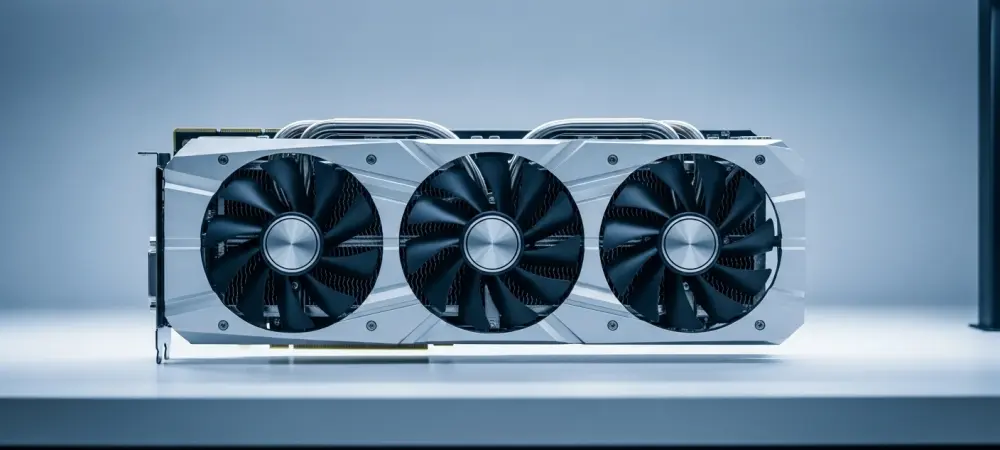
The landscape of high-performance gaming hardware has shifted dramatically as the GIGABYTE Radeon RX 9070 XT Gaming OC 16G reached a surprising new price floor that challenges the traditional hierarchy of mid-range and enthusiast components. Originally entering the market with a retail price of nearly seven hundred and forty dollars, this specific model has recently experienced a significant market correction, settling at a record low of six hundred and twenty-nine dollars as of mid-May 2026. This price reduction represents more than a simple seasonal discount; it marks a strategic move by AMD to dominate the sub-seven-hundred-dollar segment by offering flagship-level features at a price point that was previously reserved for upper-mid-range hardware. For PC enthusiasts who have watched GPU prices climb steadily over the past few years, this development serves as a refreshing change of pace, signaling that the premium performance once locked behind high price barriers is finally becoming accessible to a wider audience of dedicated gamers.
Architectural Foundations: RDNA 4 and Memory Superiority
At the core of this hardware proposition lies the RDNA 4 architecture, which represents a significant evolution in how AMD handles complex graphical workloads, particularly in the realm of ray tracing and power efficiency. Unlike previous generations where ray tracing felt like a secondary consideration, the RX 9070 XT integrates dedicated hardware acceleration that brings it much closer to parity with its direct competitors. This architectural shift is complemented by the inclusion of sixteen gigabytes of GDDR6 memory, a feature that has become increasingly critical as modern AAA titles demand larger buffers for high-resolution textures and complex geometry. While many competing cards in this price bracket still struggle with twelve or even eight gigabytes of VRAM, the RX 9070 XT provides a comfortable margin for future software releases. This ensures that the hardware remains relevant for years to come, avoiding the premature obsolescence that often plagues cards with more restrictive memory configurations in high-stress scenarios.
Beyond the raw hardware specifications, the architectural design focuses on maximizing the throughput for fourteen-forty-p gaming while maintaining a viable path for four-K entry. The extra memory capacity allows users to enable maximum settings without fear of stuttering or frame time inconsistencies caused by memory overflows. Furthermore, the efficiency of the RDNA 4 pipeline means that these performance gains do not come at the cost of excessive heat or power draw, making it a balanced choice for enthusiasts. The integration of improved AI accelerators within the silicon also aids in upscaling tasks, ensuring that the visual fidelity remains crisp even when utilizing performance-enhancing software features. This combination of substantial physical memory and refined internal logic positions the card as a versatile tool for both gaming and light content creation tasks, bridging the gap between specialized professional hardware and consumer gaming gear effectively in the current market.
Thermal Design: Cooling Efficiency and Physical Compatibility
The GIGABYTE Gaming OC variant distinguishes itself through a robust physical build that prioritizes thermal stability and long-term reliability over mere aesthetic appeal. Utilizing a signature triple-fan cooling system, the card employs alternating fan rotations to reduce turbulence and maximize the airflow across a massive heatsink assembly. This engineering choice is vital for maintaining the factory-overclocked speeds that the Gaming OC model promises, as it prevents the thermal throttling that can often degrade performance during extended gaming sessions. High-efficiency heat pipes are strategically routed to pull heat away from the GPU core and the memory modules simultaneously, ensuring that every critical component operates within optimal temperature ranges. Such a comprehensive cooling solution not only extends the lifespan of the hardware but also results in a quieter operation, a factor that is becoming increasingly important for users who value a silent desktop environment.
In terms of system integration, the card reflects a practical approach to modern connectivity and power requirements that simplifies the upgrade process for most users. It features full support for the PCIe five-point-zero standard, ensuring maximum bandwidth when paired with the latest motherboard platforms from the 2026-2027 hardware cycle. Interestingly, despite its high performance, the card utilizes standard eight-pin power connectors rather than the specialized high-power cables that have caused compatibility concerns in recent years. This decision allows gamers to utilize their existing high-quality power supply units without needing adapters or total system overhauls. However, the sheer size of the triple-fan shroud requires a chassis with significant internal clearance, making it essential for prospective buyers to verify their case dimensions. The structural reinforcement provided by a metal backplate adds necessary rigidity, preventing the PCB sag often seen in larger GPUs and protecting the delicate circuitry.
Market Dynamics: Comparative Performance and Software Ecosystem
Navigating the competitive landscape of mid-2026 requires an understanding of how the RX 9070 XT stands against the latest offerings from the Nvidia Blackwell-based fifty-series. While competitors often hold an advantage in extremely heavy ray tracing workloads or specialized professional creative suites, AMD has narrowed this performance gap significantly through the deployment of its latest software technologies. The FidelityFX Super Resolution suite, combined with advanced frame generation, allows the RX 9070 XT to punch well above its weight class, delivering smooth frame rates in demanding titles that would otherwise require much more expensive hardware. This software-hardware synergy creates a compelling value proposition, especially for users who prioritize raw gaming performance and high-refresh-rate stability over brand-specific professional features. The current six-hundred-and-twenty-nine-dollar price point effectively forces a comparison that favors AMD in terms of pure frames per dollar spent.
Moreover, the market’s reception of this price drop suggests a broader trend where consumers are reclaiming leverage in the hardware sector. By offering sixteen gigabytes of VRAM at a price where others offer less, AMD has established a “sweet spot” for fourteen-forty-p enthusiasts who want a premium experience without the thousand-dollar price tag of a flagship model. The presence of competing deals from various manufacturers indicates a highly volatile and consumer-friendly environment, yet the RX 9070 XT remains a standout due to its balanced specifications. It provides enough power for entry-level four-K gaming while dominating the high-refresh-rate fourteen-forty-p market, making it an ideal choice for the modern gamer’s diverse needs. This strategic pricing not only pressures competitors to respond but also reinforces the idea that high-end gaming does not have to be an exclusive luxury, provided the hardware manufacturers are willing to compete aggressively on value and long-term utility.
Strategic Integration: Practical Steps for System Builders
The market shift observed in 2026 demonstrated that the GIGABYTE RX 9070 XT effectively redefined what gamers expected from a mid-to-high-end graphics card. Buyers who prioritized the sixteen-gigabyte memory buffer found that their systems handled the latest texture-heavy releases with far greater ease than those who settled for lesser configurations. The transition toward PCIe five-point-zero compatibility proved to be a forward-thinking move, as it allowed for seamless integration with the newest processor architectures that debuted throughout the year. Experienced builders noted that the reliance on standard power connectors saved significant time and resources during the assembly process, avoiding the logistical hurdles associated with newer proprietary power standards. These practical advantages, combined with the aggressive price correction, established a new baseline for value that forced the entire industry to reconsider its pricing strategies for enthusiast-grade hardware.
Ultimately, the decision to invest in this hardware was validated by its consistent performance across a wide variety of gaming genres and resolutions. Those who integrated the card into their systems reported that the cooling solution provided by GIGABYTE remained effective even under extreme workloads, proving that the physical engineering was as capable as the underlying silicon. For future considerations, users were advised to monitor the continued development of upscaling software, as these tools became even more integral to the gaming experience as the year progressed. The trend toward high-capacity VRAM and AI-assisted performance became the standard for all modern builds, and the RX 9070 XT stood at the forefront of this movement. By choosing a card that balanced current power with future-proof specifications, gamers secured a reliable platform that managed to stay competitive well beyond its initial launch window, marking a successful period for consumer-centric hardware.