

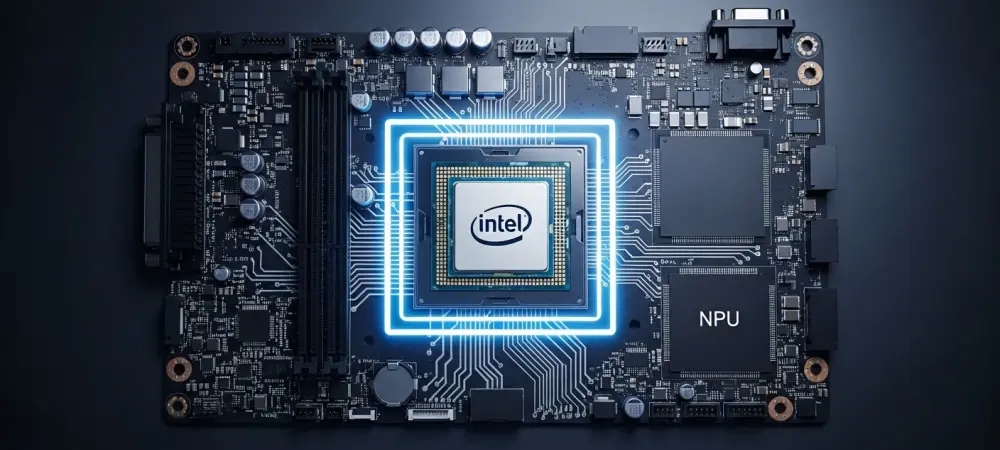
The global semiconductor landscape is currently undergoing a seismic shift as Intel, in collaboration with industry titans like HP and Asus, rolls out the Wildcat Lake mobile processor architecture. This launch marks a pivotal moment in the laptop market, signaling a transition from fragmented component selection toward a unified, standardized approach designed to revitalize the budget and mid-range segments.
By analyzing the market pressure exerted by Apple’s recent hardware successes, experts see why this initiative is not just a routine upgrade but a survival strategy. This article examines the technical prowess of the new Core Series 3 chips and evaluates whether this standardized blueprint can truly disrupt the dominance of the MacBook Neo.
The Dawn of Project Firefly: PC Manufacturers Unite Against the Apple Ecosystem
The launch of Wildcat Lake represents a collective defense against a rapidly shifting market. Industry analysts note that PC manufacturers are moving toward a cohesive ecosystem to mirror the hardware-software synergy that has long benefited Apple, providing a clearer performance tier system for the average buyer.
This collaboration reflects a realization that individual brands can no longer compete with Apple’s vertical integration in isolation. By sharing a foundational architecture, companies like Asus and HP can focus on refining the user experience rather than reinventing internal circuitry, offering Windows users much-needed consistency.
Deconstructing the Wildcat Lake Strategy: Hardware, AI, and Market Positioning
Reimagining the Entry-Level: Core 3 304 and the AI-First Architecture
The Wildcat Lake lineup seeks to redefine consumer expectations for affordable machines, led by devices like the Chuwi UniBook. At its heart lies the Intel Core 3 304, a processor bridging the gap between budget silicon and modern needs through its dedicated 15 TOPS Neural Processing Unit.
While skeptics view entry-level hardware as underpowered, the integration of high-speed LPDDR5X memory suggests a focus on fluid multitasking. This transition proves that Intel can deliver low-power performance without sacrificing compatibility with the vast Windows library, effectively future-proofing the budget segment.
Scaling to the Mid-Range: The Battle for the $700 Sweet Spot
Moving into premium-tier offerings from Asus and HP, the Core 5 320 processor takes center stage with a six-core configuration. Laptops such as the Vivobook 16SE and the OmniBook 3 are setting a new industry baseline with 16GB of RAM and 512GB SSDs as standard specifications.
This aggressive strategy targets the very heart of the MacBook Neo’s territory by eliminating the “upsell” fatigue common in retail. By offering more memory and storage for a lower price, Intel and its partners are creating a compelling value proposition that challenges Apple’s premium pricing.
Project Firefly and the Smartphone-ization of the PC Industry
Intel’s Project Firefly is a disruptive element of the launch that attempts to overhaul the entire manufacturing cycle. By standardizing hardware designs, Intel aims to mimic the high-volume, low-cost production model used in the smartphone industry, reducing research and development overhead for partners.
However, this trend toward standardization raises questions about brand differentiation and long-term innovation. If internal components are nearly identical, design aesthetics and customer support will become the primary selling points, potentially narrowing the variety of unique hardware features available to the public.
The MacBook Neo Effect: Countering Apple’s Supply Chain Dominance
The success of the MacBook Neo served as a catalyst for this revolution, leaving PC manufacturers scrambling to match its portability and power. Current reports suggest that Apple struggled to keep pace with demand, creating a critical window for Intel-based machines to seize significant market share. Wildcat Lake acts as both a defensive shield for Windows users and an offensive strike to capture those tired of Apple’s supply shortages. While the hardware specs now match up, the ultimate success depends on whether the user experience can finally feel as cohesive as the Apple alternative.
Strategic Roadmap for Navigating the New Laptop Era
For consumers and enterprise buyers, the arrival of Wildcat Lake necessitates a new approach to hardware procurement. It is wise to prioritize machines with integrated NPUs, as future software updates will increasingly rely on local AI processing rather than external cloud-based solutions.
Manufacturers should leverage the standardization of Project Firefly to drive down costs while focusing on superior build materials. For the average user, the focus should shift from clock speeds to total system efficiency and the long-term value of included memory and storage.
Final Verdict: A New Competitive Equilibrium in Mobile Computing
The Wildcat Lake initiative represented a fundamental transformation in the industry’s DNA, moving away from fragmented complexity toward a streamlined future. By embracing standardization and hardware-level AI, Intel and its partners finally mounted a credible challenge to the MacBook Neo’s market-leading status.
As the lines between mobile and desktop performance continued to blur, the ultimate winner became the consumer. The success of this move dictated the trajectory of the market, ushering in an era where high-end AI capabilities were no longer a luxury but a standard feature for all.