

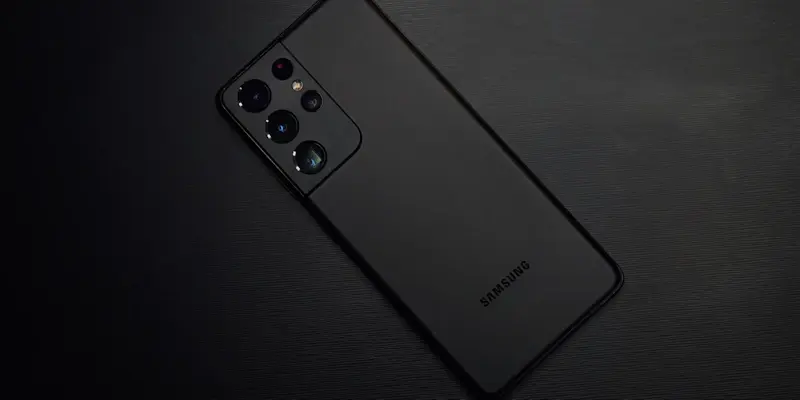
The Samsung Galaxy A2X series has long stood out for providing budget-friendly smartphones with a robust One UI experience. With the release of the Samsung Galaxy A26, consumers face the question of whether the new model is a worthy successor or if the previous Galaxy A25 still holds value in the current year. This comprehensive comparison aims to highlight the strengths and weaknesses of each model, guiding consumers toward an informed purchasing decision.
Design and Build Quality
When it comes to design and build quality, the Galaxy A26 and Galaxy A25 offer different strengths. The Galaxy A25, with its 6.5-inch display, is favored for being more compact and easier to handle, especially for users with smaller hands or those who prefer a smaller device. Despite its user-friendly size, the Galaxy A26 introduces significant upgrades in build quality that set it apart. The Galaxy A26 comes with Gorilla Glass Victus+ on both the front and back, offering enhanced durability and scratch resistance. This contemporary build also includes an IP67 certification for water and dust resistance, making it more resilient against environmental hazards. These features are conspicuously absent in the Galaxy A25, which relies on standard glass and lacks any form of ingress protection.
While some consumers might appreciate the Galaxy A25’s more manageable size, those prioritizing durability and robustness will likely find the Galaxy A26’s advanced build materials and protective measures more appealing. The IP67 rating, in particular, ensures that the Galaxy A26 can withstand temporary immersion in water, providing added peace of mind for adventurous or accident-prone users.
Display Characteristics
Both the Galaxy A26 and A25 models share a 120Hz refresh rate and the same resolution, ensuring smooth scrolling and a clear viewing experience. Despite these similarities, the display characteristics of each phone reveal differing priorities. The Galaxy A25 shines with a peak brightness exceeding 1,000 nits, making it particularly advantageous for outdoor use. This superior brightness ensures better visibility under direct sunlight, which is crucial for users who frequently use their phones outside. In contrast, the Galaxy A26’s maximum brightness falls below 800 nits, making it less suitable for those same outdoor conditions. However, the Galaxy A26 compensates for this lower brightness with better build quality and durability features. For users who spend a lot of time indoors or do not prioritize outdoor visibility, the brightness difference may not be a significant factor.
Both models support basic HDR for streaming, ensuring an enriched visual experience while watching videos. This shared feature underscores Samsung’s commitment to maintaining a certain level of display quality even in its budget-friendly series. Nonetheless, consumers who prioritize screen brightness for outdoor use would find the Galaxy A25 more fitting, while those concerned about durability may lean toward the Galaxy A26.
Battery Life and Charging Capabilities
Battery performance is a critical factor for many smartphone users, and in the case of the Galaxy A26 and A25, the differences in battery life are minimal. Both devices offer comparable battery endurance across all usage categories, providing reliable but not exceptional battery life. This parity means that neither device has a significant advantage in terms of overall battery longevity.
Fast charging support is present in both models, with the ability to charge up to 25W using the USB-PD+PPS standard. Given that both the Galaxy A26 and A25 have similar battery capacities, there are no noticeable differences in charging speed or efficiency between the two. This makes both devices reliable choices for users who need a quick power boost throughout the day.
Although neither phone excels in battery life, the consistent performance and fast charging capabilities make them dependable options for everyday use. This section serves as a reminder that while battery life is important, other factors like build quality, display characteristics, and additional features can be equally influential in a buying decision.
Audio Performance
Distinct differences emerge when examining the audio performance of the Galaxy A26 and A25. The Galaxy A25 takes a clear lead with its stereo speakers, delivering louder and clearer sound than its successor. This enhanced audio setup significantly improves the listening experience, whether for media consumption, gaming, or hands-free calls, making the A25 a compelling choice for those highly valuing audio quality.
On the other hand, the Galaxy A26 is equipped with a single bottom-firing speaker, which offers a less impressive audio experience. Users may find the sound output from the Galaxy A26 to be less immersive and not as robust compared to the stereo setup in the A25. This difference in speaker configuration is pivotal for users who often rely on their smartphones for entertainment or communication without external audio devices. The preference for stereo speakers over a single speaker configuration underscores a notable trade-off in the newer model’s design. While the Galaxy A26 may excel in other areas such as build quality and performance, the A25’s superior audio system remains a significant advantage for users prioritizing sound.
Performance and Memory Options
Performance-enhancing measures distinguish the Galaxy A26 from its predecessor. The Galaxy A26 is powered by the Exynos 1380 chipset, which delivers up to 20% better overall performance compared to the Exynos 1280 found in the Galaxy A25. This newer chipset enhances multitasking capabilities, providing smoother operation and improved gaming experiences, marking a significant upgrade for users seeking higher efficiency.
Both models offer memory configurations that start at 4GB/128GB, with expandable options up to 8GB/256GB. This ensures flexibility for users based on their storage and memory needs. However, the inclusion of the more potent Exynos 1380 in the Galaxy A26 assures better handling of intensive applications and tasks, making it the preferable choice for power users.
The improved CPU and GPU performance in the Galaxy A26 translates to faster app launches, better gaming fidelity, and a generally more responsive user experience. These enhancements make the Galaxy A26 an attractive option for those who require a device capable of handling demanding operations with ease, providing a noticeable boost over the Galaxy A25’s already competent performance levels.
Camera and Video Quality
Despite having identical camera hardware, the Galaxy A26 and A25 exhibit differences in camera output. Both phones are equipped with a 50MP main shooter, an 8MP ultrawide lens, and a 2MP dedicated macro lens, with a 13MP front camera housed in a teardrop-shaped notch. However, the Galaxy A26 produces slightly sharper and more detailed photos under various lighting conditions, providing a marginal advantage in everyday photography.
Night photography showcases the Galaxy A26’s ability to deliver less noisy images with greater detail, although the Galaxy A25 may render colors more accurately under dim lighting. For users who frequently capture photos in low-light environments, this difference in nighttime performance is worth considering. Additionally, the Galaxy A26’s enhanced image processing helps achieve better sharpness and detail in ultrawide shots, albeit introducing more noise compared to the softer shots from the A25.
When it comes to video recording, both models offer nearly identical capabilities, with the Galaxy A26 showing only marginal improvements in low-light video quality. This consistency ensures that neither device feels particularly lacking in this area, making either a viable option for users who frequently record videos. The slight edge afforded by the Galaxy A26 in camera performance represents a small yet noticeable improvement, particularly for photography enthusiasts.
Final Recommendations
Choosing between the Samsung Galaxy A26 and A25 ultimately boils down to individual preferences and priorities. The Galaxy A25 stands out for its superior display brightness, offering better visibility under direct sunlight, making it ideal for outdoor use. Additionally, its stereo speaker setup delivers a richer and clearer audio experience, which is a significant factor for users who highly value sound quality in a smartphone. However, the Galaxy A26 presents a more robust and future-proof option with significant upgrades in build quality, including Gorilla Glass Victus+ and an IP67 rating for water and dust resistance. The enhanced performance brought by the Exynos 1380 chipset, coupled with longer planned software support of six major OS updates, further tilts the balance in favor of the Galaxy A26 for users seeking a durable and high-performing device.
For consumers prioritizing brightness, sound quality, and a smaller form factor, the Galaxy A25 remains an appealing option, particularly if there is a significant price difference. Meanwhile, those looking for a comprehensive upgrade with advanced build features, superior processing power, and longer software longevity may find the Galaxy A26 to be the better investment for a small additional cost.
Conclusion
The Samsung Galaxy A2X series has consistently provided budget-friendly smartphones, delivering a solid One UI experience. With the unveiling of the Samsung Galaxy A26, customers are now contemplating if the latest model is a worthwhile successor to its predecessor, the Galaxy A25, or if the older model still offers significant value in today’s market. This detailed comparison aims to shed light on the strengths and weaknesses of both models, aiding consumers in making an informed decision. The Galaxy A26 and A25 both come with impressive features considering they are budget models. The A26 boasts a slightly updated design, a marginally faster processor, and enhanced camera capabilities. However, the A25 is still no slouch, offering dependable performance and a user-friendly interface that many have come to appreciate. Battery life, display quality, and software updates are key areas where these phones are often judged. Ultimately, this comparison will serve as a helpful guide for consumers deciding between the latest release or sticking with the tried-and-true Galaxy A25.