

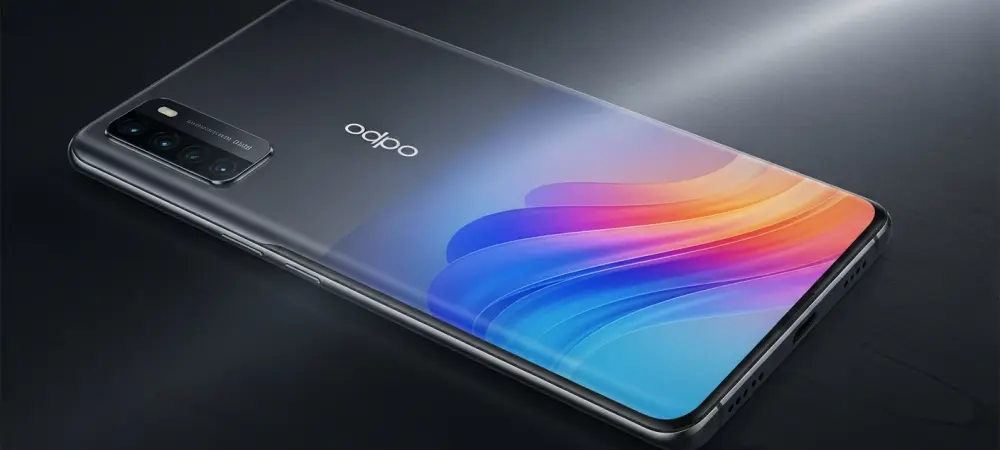
The boundary between a dedicated professional camera and a pocketable mobile device has finally dissolved into a singular, glass-and-metal reality with the arrival of the Oppo Find X9 Ultra. This flagship does not merely iterate on previous designs; it challenges the very necessity of standalone optical equipment for most creators. By integrating a massive sensor array with satellite capabilities, Oppo is signaling a shift toward a future where “premium” is defined by hardware that functions independently of traditional infrastructure. This review examines how the device balances these extreme specifications against the practical realities of daily use.
The Evolution of the Oppo Ultra Series
The Find X series has transitioned from an experimental line known for mechanical flourishes to a stabilized, ultra-premium powerhouse that dictates market trends. While early models focused on aesthetic gimmicks, the X9 Ultra represents a refined focus on the “Ultra” philosophy, which demands that every component be the best available in its category. This evolution reflects a broader industry movement where consumers are no longer satisfied with incremental software updates, preferring instead hardware that offers tangible physical advantages.
This specific model serves as a strategic pivot for Oppo as it attempts to secure a permanent seat at the table alongside established global leaders. By emphasizing professional-grade optics as its core identity, the device targets a niche yet influential demographic of mobile journalists and photographers. This positioning suggests that Oppo is no longer playing catch-up but is instead setting the pace for what a 2026 flagship must provide to justify its high price point.
Defining Hardware and Architectural Components
The Hasselblad Quad-Camera Imaging System
At the heart of the device lies a primary 200-megapixel sensor with a 1-inch format, a physical size that allows for natural depth of field and superior low-light performance. Unlike smaller sensors that rely heavily on aggressive digital noise reduction, this 1-inch glass captures raw data with enough fidelity to maintain texture in shadows. This hardware foundation is critical because it reduces the “painterly” effect often seen in smartphone photos, providing a more organic, film-like quality to the output.
The dual-telephoto architecture further distinguishes the device, utilizing a 3x Super Portrait lens and a 10x optical zoom to cover various focal lengths. The partnership with Hasselblad contributes a specialized color science that favors natural skin tones and accurate color reproduction over the oversaturated look common in consumer electronics. This synergy between high-resolution hardware and professional color calibration allows users to move seamlessly from social media posting to high-quality printing.
Memory Configurations and Satellite Integration
Memory management on the Find X9 Ultra is handled by a robust 16GB RAM overhead, which is essential for processing the massive files generated by the 200-megapixel sensors. With storage options scaling up to a 1TB professional-grade variant, the device ensures that high-bitrate video and RAW photos do not immediately saturate the system. This high ceiling is not just about capacity; it is about maintaining system fluidity during intensive creative workflows. The high-end model introduces an exclusive satellite communication feature, moving beyond simple emergency SOS functions to more comprehensive data transmission. This technical inclusion addresses a growing demand for connectivity in “dead zones,” catering to adventurers and professionals working in remote environments. It represents a significant architectural hurdle, as integrating satellite antennas without compromising the sleek profile or thermal efficiency of the phone requires advanced internal shielding.
Emerging Trends in Mobile Photography and Connectivity
There is a clear industry-wide shift toward massive sensor formats as manufacturers realize that software can only go so far in compensating for small optics. The X9 Ultra leads this trend by prioritizing light-gathering surface area, which remains the most important factor in image quality. As competitors follow suit, we are likely to see the 1-inch sensor become the standard for any device claiming flagship status, effectively ending the era of the small-sensor “main” camera.
Moreover, the integration of satellite connectivity indicates that the next frontier of smartphone competition lies in ubiquitous access. As users become more mobile and less reliant on urban infrastructure, the ability to communicate from anywhere becomes a luxury necessity. This trend is shifting consumer behavior, as buyers now view their smartphones as survival tools and professional workstations rather than mere entertainment hubs.
Real-World Applications and Professional Use Cases
The Find X9 Ultra has found an immediate home in professional mobile journalism, where the ability to capture, edit, and transmit high-fidelity content from a single device is invaluable. The quad-camera system allows a single operator to cover wide-angle establishing shots and tight telephoto details without carrying a heavy gear bag. In fast-paced environments, the speed of the 16GB RAM allows for real-time 8K video editing that was previously reserved for dedicated laptops.
Beyond media, the satellite features provide a critical safety net for remote exploration and emergency response. In scenarios where cellular towers are non-existent or compromised, the 1TB model becomes a vital lifeline for coordination. The “Hasselblad Master Set” further bridges the gap for hobbyists, offering a curated experience that mimics the workflow of a professional studio, proving that the device is as much a tool as it is a luxury item.
Technical Hurdles and Market Obstacles
Maintaining such high performance comes with the significant challenge of heat dissipation, especially when recording high-resolution video or utilizing satellite links. Large sensors and high-speed processors generate substantial thermal energy, which can lead to throttling if not managed by sophisticated vapor chambers. While Oppo has implemented advanced cooling, the physical limits of the slim form factor remain a constant trade-off against sustained peak performance.
Regulatory and infrastructure limitations also present a hurdle for the global deployment of satellite services. Different regions have varying protocols and hardware requirements, making it difficult to maintain software parity and feature availability across all markets. Additionally, the aggressive competition in the premium segment means that Oppo must constantly justify its price point against rivals who may offer better ecosystem integration or long-term software support.
Future Projections and Industry Impact
The integration of generative AI within the Hasselblad imaging pipeline is expected to evolve, using machine learning to enhance sensor output without introducing artifacts. Instead of just “fixing” photos, future iterations may use AI to simulate complex lighting setups or reconstruct details in extreme zoom scenarios. This approach will likely influence how other manufacturers balance the relationship between physical glass and computational photography.
The long-term viability of 1-inch sensors in slim phones will depend on breakthroughs in periscope lens technology and foldable optics. As Oppo continues to push this hardware-first approach, the global market may see a move away from the “disposable” nature of smartphones toward devices that are valued for their enduring optical capabilities. This shift could redefine design trends, making thicker, camera-centric builds the new aesthetic standard for power users.
Final Assessment of the Find X9 Ultra
The Oppo Find X9 Ultra proved to be a formidable contender in the high-end market, successfully merging professional imaging with cutting-edge connectivity. Its quad-camera system provided a level of versatility that few competitors could match, particularly in terms of color accuracy and sensor size. While the thermal demands and regional software differences remained points of contention, the overall hardware package set a high bar for the industry. Ultimately, this flagship redirected the conversation toward meaningful hardware innovation, suggesting that the future of mobile technology lies in physical capability as much as digital intelligence.