

Introduction
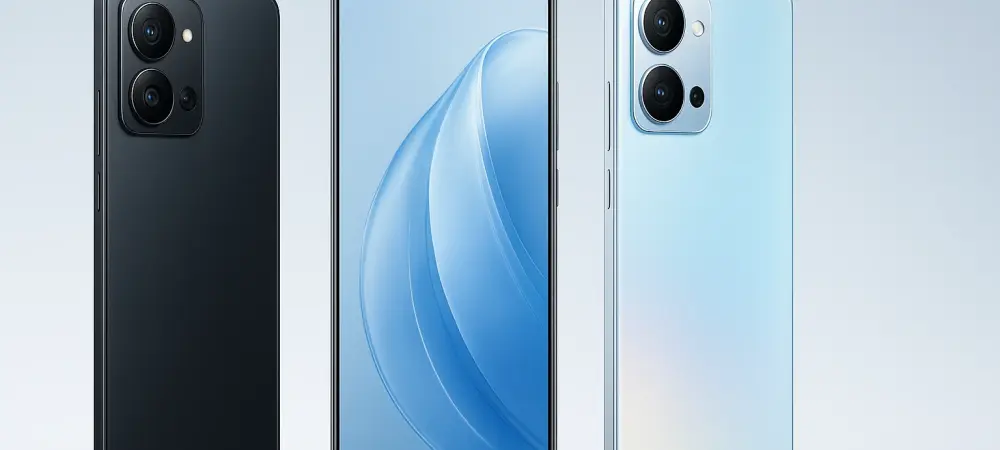
The decade-long journey of the Oppo F series has culminated in a release that challenges every preconceived notion about what a mid-range smartphone can achieve in terms of both longevity and visual fidelity. As mobile photography continues to dominate the social landscape, the introduction of the Oppo F35 5G and the F35 Pro 5G signals a shift toward professional-grade imaging for the average consumer. This milestone celebrates a decade of innovation in India, where the brand has consistently focused on merging style with practical hardware improvements.
The primary objective of this exploration is to determine whether these new devices truly redefine the mid-to-high-end market segment through their advanced specifications. Readers will gain insights into the pricing tiers, the groundbreaking battery technology, and the specific camera enhancements that cater to modern content creators. By analyzing the hardware and software synergy, this article provides a comprehensive guide to understanding how these devices stack up against the competition in the current landscape.
Key Questions: Evaluating the F35 Series Performance
How Does the Pricing Strategy Benefit Different Consumer Segments?
The smartphone market remains highly competitive, with users demanding more value at every price point. Oppo has addressed this by spreading the F35 series across a wide range of budgets, ensuring that both the standard and Pro models are accessible to different types of buyers. The standard F35 5G starts at Rs. 38,999 for the base 6GB + 128GB configuration, while the Pro variant enters the premium territory with a top-tier 8GB + 256GB edition priced at Rs. 54,999. This tiered approach allows the company to capture a broader audience, from students looking for a reliable daily driver to professionals needing high-speed storage and superior optics. To further sweeten the deal, early adopters can take advantage of instant bank discounts and exchange bonuses. By offering these incentives, the brand makes the transition to 2026-standard hardware more affordable, ensuring that the latest technology is not restricted to the ultra-premium segment.
What Technical Advancements Define the Display and Durability?
Durability has become a non-negotiable factor for modern consumers who lead active lifestyles. The F35 series sets a new benchmark by incorporating multiple resistance ratings, including IP66 and the rigorous IP69K, which protects against high-pressure water jets and dust. This level of protection is often reserved for ruggedized specialty phones, yet it is presented here in a sleek, consumer-friendly design that does not compromise on aesthetics or handling.
Complementing this toughness is a display technology that pushes the boundaries of clarity and responsiveness. The Pro model features a 6.78-inch 1.5K AMOLED screen with a 144Hz refresh rate, while the standard model offers a 120Hz Full-HD+ experience. With a peak brightness reaching 1,800 nits on the Pro version, visibility remains crystal clear even under the direct glare of the midday sun. These panels are designed for more than just scrolling; the high touch sampling rates ensure that gaming and navigation feel instantaneous.
Why Is the 8,000mAh Battery a Game Changer for Users?
One of the most persistent frustrations for smartphone users is the need for frequent charging throughout the day. The inclusion of a massive 8,000mAh battery in both the F35 and F35 Pro 5G addresses this concern head-on, providing an endurance level that was previously unheard of in this category. This massive capacity ensures that even the most intensive users can go through a full day of video streaming, gaming, and social media without hunting for a power outlet. Supporting this massive cell is an 80W wired fast-charging system that minimizes downtime significantly. While the physical size of such a battery usually adds bulk, the engineering behind the F35 series maintains a balanced form factor. The Pro model utilizes the Dimensity 7360 Max chipset to manage power efficiency more effectively, while the standard model relies on the Dimensity 6360 Max. Together, these components create a reliable ecosystem where hardware and software work in tandem to extend the lifespan of every charge.
Summary or Recap
The Oppo F35 series represents a sophisticated evolution for the brand, prioritizing the three pillars of modern mobile usage: battery longevity, extreme durability, and high-fidelity selfie optics. By integrating ColorOS 16.5 based on Android 16, these devices offer a contemporary software experience that matches their robust hardware. The standard and Pro models cater to distinct needs while sharing a commitment to high-resolution 50-megapixel primary and front-facing cameras, ensuring that every user can capture high-quality content. This lineup effectively bridges the gap between mid-range affordability and flagship functionality. The focus on extreme water and dust resistance, paired with the unprecedented 8,000mAh battery, sets a high bar for competitors. As these devices become available through major online retailers, they stand as a testament to a decade of development and a clear understanding of what consumers prioritize in a daily companion.
Conclusion or Final Thoughts
The launch of the F35 series provided a clear roadmap for the future of mobile design, emphasizing that internal power must be matched by external resilience. This lineup showed that a smartphone could serve as both a professional creative tool and a rugged piece of equipment capable of withstanding the elements. By focusing on the specific needs of the local market, the brand solidified its reputation for delivering innovation that felt practical rather than experimental.
Moving forward, potential buyers should consider how the extreme battery capacity and specialized imaging features align with their personal workflows. Whether the priority is creating 4K video content on the Pro model or enjoying the durability of the standard version, these devices invited users to stop worrying about fragile screens and dead batteries. Looking at the next steps in mobile evolution, the success of this series suggested that the industry might finally be moving away from incremental updates toward more substantial, user-centric breakthroughs.