

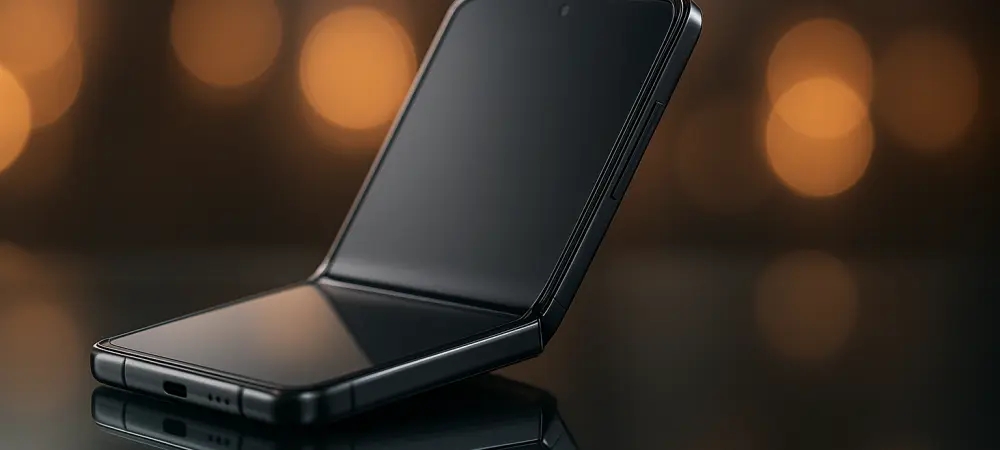
Dominic Jainy stands at the forefront of the modern technological landscape, bringing years of seasoned expertise in artificial intelligence, high-performance computing, and the rapidly maturing world of foldable electronics. As an IT professional who has witnessed the transition from basic mobile utility to complex spatial computing, Jainy offers a unique lens through which we can view the upcoming October 6 launch in India. This event is not merely a product reveal; it represents a convergence of hardware power and software intelligence, featuring the flagship X Fold 6 alongside the V80 and S2 FE. Throughout our discussion, we explore the shift toward foldables as primary productivity tools, the implications of AI-optimized silicon like the Dimensity 9500 Super, and the intriguing potential of a newly teased mixed reality ecosystem.
With the highly anticipated October 6 launch event featuring the X Fold 6, V80, and S2 FE, how do you perceive this strategic rollout impacting the current mobile market in India?
This launch marks a definitive moment where high-end foldables stop being niche luxury items and start being viewed as serious productivity engines. By bringing the X Fold 6 to India alongside more accessible models like the V80 and S2 FE, there is a clear intent to dominate multiple tiers of the consumer experience simultaneously. When you hold a device with an 8.02-inch foldable display, you immediately feel the shift in how we consume data and manage workflows on the move. The inclusion of the S2 FE and V80 ensures that while the foldable remains the halo product, the brand is providing a comprehensive ecosystem for every type of user. It is a bold move that suggests the Indian market is now ready for a sophisticated, multi-device strategy that prioritizes high-spec hardware and versatile form factors.
The X Fold 6 is powered by the MediaTek Dimensity 9500 Super chipset, specifically designed for foldables and AI; what tangible benefits does this provide to a user in their daily routine?
The “Super” designation on this chipset is not just marketing; it is a specialized architectural choice intended to manage the unique thermal and processing demands of a dual-screen device. In daily use, this translates to an incredibly fluid experience on the 120Hz refresh rate screens, whether you are utilizing the 6.51-inch cover display or the expansive inner AMOLED panel. With Android 16-based OriginOS 6 Fold, the AI capabilities of the Dimensity 9500 Super can intelligently manage background tasks across up to 16GB of RAM, ensuring that multitasking feels instantaneous rather than laboured. You notice the difference when switching between a heavy video call and a data-intensive spreadsheet; the silicon is optimized to handle those transitions without the lag typically associated with high-resolution foldable canvases. It creates a sensory experience of effortless power that matches the sleek, futuristic aesthetic of the hardware.
Engineering a device that is only 4.40mm thick when unfolded while maintaining an IP58 and IP59 rating is a significant feat; how does this change our understanding of foldable durability?
For a long time, the trade-off for having a large, foldable screen was a bulky, fragile chassis, but the X Fold 6 completely upends that narrative. Weighing in at approximately 228g and measuring just 4.40mm when opened, it feels remarkably light, yet the IP58 and IP59 ratings provide a level of dust and water resistance that was previously unthinkable in this category. These ratings mean the device is protected against high-pressure water jets and significant dust ingress, which adds a layer of psychological comfort for the user. When you see a device this thin, your instinct is to treat it with extreme caution, but the engineering here proves that elegance does not have to come at the cost of resilience. This level of durability makes the foldable a viable candidate for a primary “do-everything” device in unpredictable, real-world environments.
The camera system features a Zeiss-tuned 200-megapixel main sensor alongside specialized 50-megapixel lenses; how does this setup challenge the dominance of traditional flagship smartphones?
The inclusion of a 200-megapixel main sensor with Optical Image Stabilization (OIS) signals that foldable users no longer have to sacrifice photographic excellence for screen real estate. This triple rear setup, which also includes a 50-megapixel ultrawide and a 50-megapixel periscope telephoto lens, offers a professional-grade toolkit that rivals any slab-style flagship on the market today. The Zeiss tuning ensures that color reproduction and clarity are top-tier, providing a rich, cinematic quality to every shot captured. Furthermore, having dual 20 selfie cameras—one for each screen—means that video conferencing and self-portraits are high-quality regardless of how you are holding the phone. It turns the device into a creative powerhouse where the large 8.02-inch display acts as a massive, high-resolution viewfinder for intricate photo editing.
With a massive 7,000mAh battery and 80W wired charging, the X Fold 6 seems built for extreme endurance; how does this power management change the expectations for high-demand professionals?
A 7,000mAh battery is an extraordinary capacity for a device that is so thin, effectively bringing tablet-level endurance to a pocketable form factor. For the professional who is constantly on the move, the 80W wired charging and 40W wireless MagCharge support mean that downtime is minimized, allowing for quick top-ups during brief intervals. You can realistically expect to get through a heavy workday involving constant 5G connectivity and high-brightness screen usage without reaching for a cable by mid-afternoon. The sheer physical density of this battery, paired with the efficiency of the 9500 Super chip, addresses the “battery anxiety” that has long plagued the foldable segment. It provides a tactile sense of reliability, knowing that the device has the literal energy to keep up with the most demanding multitasking schedules.
The surprise teaser of a mixed reality headset at the upcoming event has sparked a lot of curiosity; how do you see such a device fitting into the current mobile ecosystem?
The mention of a mixed reality headset alongside the X Fold 6 suggests a move toward a more integrated, spatial computing ecosystem where the phone acts as a hub. While details on its price or specific India availability remain under wraps, its appearance at a major launch event indicates that the boundaries between mobile devices and immersive hardware are blurring. This could allow for seamless hand-offs where you begin a task on the 8.02-inch foldable screen and expand it into a three-dimensional workspace using the headset. It is a glimpse into a future where our personal electronics are not just isolated screens but parts of a cohesive digital environment. Even if the headset is initially just a showcase of technology, it sets the stage for a new way of interacting with data that goes far beyond traditional touch interfaces.
What is your forecast for the foldable market segment?
I expect the foldable segment to transition from a “luxury alternative” to the standard for high-end professional mobile computing within the next two years. As prices begin to align—seen with the entry-level 12GB + 256GB variant starting around Rs. 1,14,200 and the 16GB + 1TB model reaching roughly Rs. 1,58,300—more consumers will find the value proposition of a “phone and tablet in one” irresistible. The combination of extreme thinness, like the 4.40mm profile we see now, and rugged durability ratings will remove the final barriers to mainstream adoption. We are moving toward an era where the 8-inch canvas becomes the workspace of choice for the global workforce, effectively ending the era of the traditional small-screen flagship.