

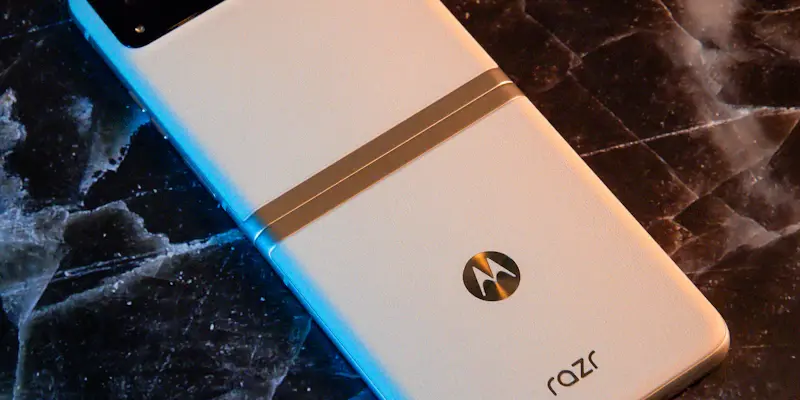
The tech world has been eagerly anticipating the release of the Motorola Razr 60, setting high expectations for a device that promises significant improvements over its predecessor. This new model is poised to deliver enhanced performance, increased storage options, and a host of other advancements. With the advancements in mobile technology, the latest Razr 60 has generated considerable buzz among tech enthusiasts and potential buyers alike. But does it live up to the hype and, more importantly, is it worth the investment?
Key Specifications and Features
One of the standout features of the Motorola Razr 60 is its incorporation of MediaTek’s Dimensity 7400X processor, which has been designed specifically for foldable devices. This specialized variant aims to offer seamless performance and higher efficiency, making it a notable upgrade. The Razr 60 also pushes the envelope with its significantly increased RAM and storage configurations. Options range from 8GB RAM and 128GB storage for the base model to an impressive 18GB RAM and 1TB storage for the high-end variant. These enhancements provide a substantial boost over the Razr 50, which maxed out at 12GB RAM and 512GB storage.
Contrary to earlier rumors, the main display remains a 6.9-inch screen, along with a 3.6-inch cover display, mirroring its predecessor. Retaining the effective camera setup from the earlier model, the Razr 60 features a 50MP primary rear camera, a 13MP ultrawide angle camera, and a 32MP front camera within a hole-punch design on the foldable display. While the camera specifications have not changed, the consistent quality they offer ensures a reliable photographic experience for users. Additionally, the handset sees a bump in battery capacity from 4,200mAh to 4,500mAh, a much-needed improvement for extended usage. However, details regarding upgraded charging speeds are still unclear.
Market Availability and Strategic Enhancements
Slated for an April launch, the Razr 60 will be available in key markets including China, Europe, and the US. In the US, it will be marketed as the Razr 2025. Motorola’s strategy involves maintaining key elements from its previous models, thus ensuring familiarity for loyal users while introducing important enhancements. These deliberate upgrades in performance and battery capacity set the device apart, aiming to attract a broader consumer base.
The trend of increasing RAM and storage in modern smartphones is clearly reflected in the Razr 60, meeting the growing demands for higher performance and data storage. By maintaining crucial features from its predecessors, Motorola aims to strike a balance between innovation and reliability. This consistency offers users a dependable experience, rooted in familiarity but enhanced with modern specifications. It’s a design philosophy that aims to keep existing users satisfied while enticing new ones with upgraded capabilities.
Conclusion and Final Thoughts
Motorola has been known for its innovative approach, and the Razr 60 is no exception. The updated model includes not only upgraded hardware but also new software features that could entice users looking for both function and style. The design remains sleek and modern, appealing to those who value aesthetics just as much as performance. Yet, with so many choices available on the market, the big question persists: Is the Razr 60 a smart investment? While it’s poised to offer a premium experience, potential buyers will need to weigh whether its high price tag aligns with their needs and desires.