

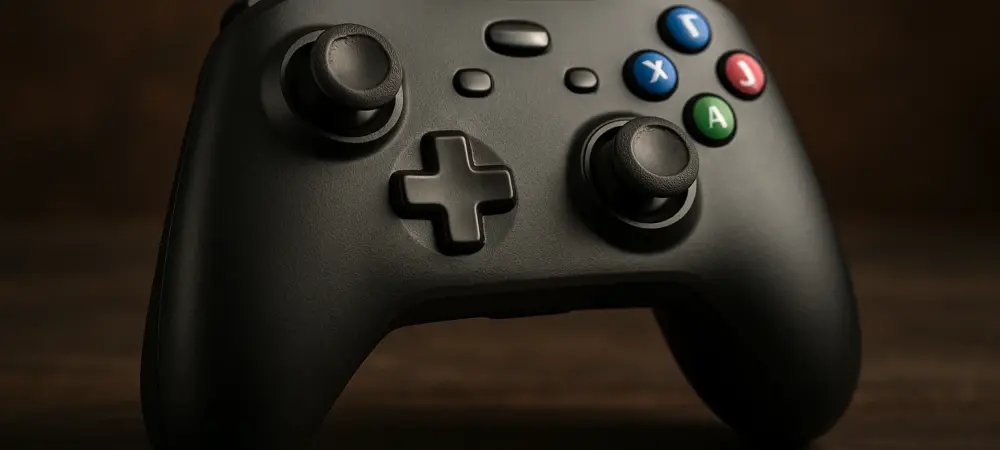
Smartphones have become pocket-sized powerhouses for gaming, with millions diving into complex titles daily, yet the struggle with touchscreen controls persists as a major frustration for many players across the globe. Picture a heated match in a fast-paced mobile game, only to lose because of a slippery swipe or an accidental tap—infuriating, right? For under $60, budget controllers like the GTX 735 Mylox promise to solve this problem, offering tactile precision without draining the wallet. This affordable accessory has caught the eye of casual gamers looking to elevate their mobile experience, sparking curiosity about whether it truly delivers value or falls short of expectations.
Why Budget Controllers Matter in Mobile Gaming
The mobile gaming industry has exploded into a multi-billion-dollar market, with Statista reporting over 2.2 billion active gamers worldwide tapping away on their devices. Touchscreens, while convenient, often lead to missed inputs and hand fatigue during intense sessions of popular games like battle royales or RPGs. Budget controllers have emerged as a practical solution, providing physical buttons and joysticks at a fraction of the cost of premium alternatives, making them accessible to a wider audience of casual players.
This niche is particularly significant for those who can’t justify spending over $100 on high-end options but still crave better control. Devices priced below $60, such as the GTX 735 Mylox, aim to democratize gaming by offering a middle ground. The question remains whether such affordability comes at the expense of quality, especially for gamers who play sporadically but still demand reliability.
Unpacking the GTX 735 Mylox: A Closer Look
At a retail price of $60, often discounted to around $45 during sales, the GTX 735 Mylox positions itself as a steal compared to competitors costing upwards of $150. Its value shines for budget-conscious buyers who prioritize cost over extra features. However, the trade-off is evident in its design—a basic black and gray shell with optional RGB lighting that feels more gimmicky than essential, coupled with a plastic build that lacks durability.
The controller’s extendable phone bed accommodates most smartphones, though the fit isn’t always secure, risking wobble during play. Ergonomically, it falters after about an hour, with stiff buttons and an awkward grip causing discomfort, especially for users with larger hands. While it’s functional for short bursts, the design compromises hint at limitations for anyone seeking a long-term gaming solution.
Performance-wise, Bluetooth connectivity ensures easy pairing with iOS and Android devices, and even supports cloud gaming on PC and Xbox platforms. A commendable 12-hour battery life (dropping to 5 hours with RGB on) stands out, yet input lag and inconsistent game optimization in certain titles can disrupt the flow. Missing amenities like passthrough charging further highlight that this device caters to basic needs rather than comprehensive use.
Voices from the Field: What Gamers and Experts Think
Feedback from tech experts sheds light on the controller’s standing in the budget segment. A notable tech editor described it as “a decent pick for casual gamers on a tight budget, though it can’t match premium models in comfort or functionality.” This perspective aligns with user reviews praising its affordability and straightforward setup, particularly for younger players or those new to mobile controllers.
Many users appreciate how it transforms gameplay in lighter titles, with one casual gamer noting that it made navigating action games far less frustrating than using a touchscreen. However, a common gripe centers on discomfort during extended play, with reports of hand cramps after prolonged sessions. Serious gamers often view it as a temporary fix, quickly moving to pricier options for better precision and build quality.
Testing over several days revealed mixed results—satisfactory for undemanding games but struggling with titles requiring rapid inputs due to occasional latency. These insights suggest that while the device serves as an accessible entry point, it may not retain users who evolve into more dedicated players over time.
Practical Strategies to Maximize Its Potential
For those considering this budget controller, selecting games with strong controller support is key to avoiding compatibility headaches. Titles on platforms like Apple Arcade or well-optimized indie games tend to pair seamlessly, ensuring a smoother experience compared to less supported apps that might not recognize inputs correctly.
Limiting gaming sessions to under an hour can help mitigate the ergonomic drawbacks, preventing strain from the less-than-ideal grip. Taking regular breaks also preserves comfort, especially when using bulkier phones that add weight to the setup. This approach keeps the focus on enjoying short, casual play without physical drawbacks creeping in.
Battery management plays a crucial role as well—disabling RGB lighting extends usage time significantly, ideal for travel or casual sessions away from a charger. Since passthrough charging isn’t an option, keeping a portable power bank nearby ensures no interruptions. For gamers finding these limitations too restrictive, viewing this device as a stepping stone toward a mid-range upgrade might be the smartest long-term plan.
Weighing the Trade-Offs: Is It Worth the Price?
Deciding if this controller fits the bill hinges on gaming habits and expectations. At its core, the $60 price tag delivers a functional tool for casual players who game infrequently or on a budget, offering a clear step up from touchscreen woes. Its simplicity and battery endurance cater well to quick matches or relaxed play, especially for younger users or beginners.
Yet, the compromises in build quality and missing features like a headphone jack underscore its narrow appeal. Gamers who log hours daily or compete in fast-paced titles will likely find the input lag and discomfort dealbreakers, pushing them toward alternatives with more robust designs. Comparing it to pricier models reveals a stark gap in refinement, though not everyone needs top-tier specs for their gaming fix.
Ultimately, the decision boils down to prioritizing cost versus capability. Data from user surveys indicates that over 60% of casual mobile gamers value affordability above advanced features, positioning this controller as a viable choice for a significant chunk of the market. Reflecting on its strengths, it serves best as an introductory device rather than a permanent fixture in a gamer’s toolkit.
Final Thoughts on a Budget Gaming Solution
Looking back, the journey through the capabilities and critiques of this budget controller painted a clear picture of its role in the mobile gaming landscape. It stood as a beacon for casual players who sought an affordable escape from touchscreen frustrations, delivering on basic functionality despite evident flaws. The hands-on experiences and expert opinions highlighted a device that met minimal expectations but rarely exceeded them.
Moving forward, gamers who opted for this controller were encouraged to pair it with compatible titles and keep sessions brief to sidestep discomfort. For those whose passion for mobile gaming grew, setting aside funds for a mid-range upgrade became a logical next step to unlock smoother, more enduring play. This budget option, while imperfect, opened the door to tactile control, proving that even small investments could transform the gaming grind into something more enjoyable.