

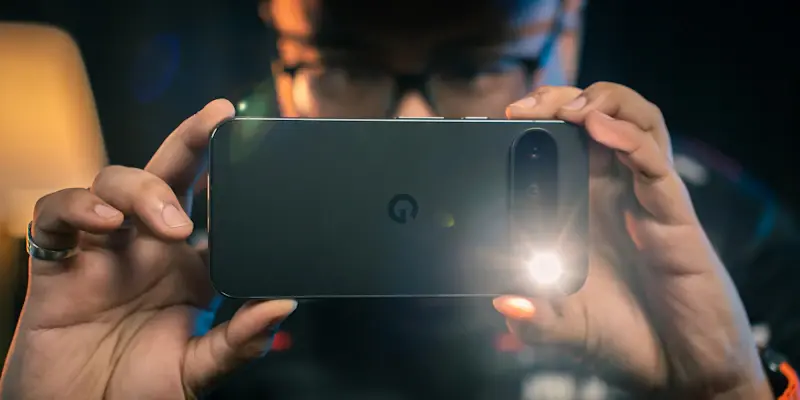
The world of smartphones is ever-evolving, and each new release is met with a combination of excitement and scrutiny. Google’s Pixel series has consistently garnered attention for its sleek design, impressive camera capabilities, and seamless integration with the Android ecosystem. The Google Pixel 9 Pro, available in Hazel, Porcelain, Rose Quartz, and Obsidian, is a testament to these values. With a more compact build, boasting a 6.3-inch LTPO OLED display, it boasts significant improvements over its predecessor, the Pixel 8 Pro. This new iteration offers a bright and sharp display, exceptional battery life, and a versatile triple camera system. But amidst these highlights, the device also has its share of weaknesses. Our detailed examination aims to provide a balanced view of whether the Pixel 9 Pro lives up to the hype despite its flaws.
Design and Display: Smaller Yet Mightier
One of the standout features of the Google Pixel 9 Pro is its more compact design. While shrinking its size to a manageable 6.3-inch display, Google has not compromised on quality. The LTPO OLED display remains a key highlight, offering vivid colors, deep blacks, and excellent brightness levels that make it a delight for multimedia consumption and everyday use. Users will appreciate how the device feels in hand, striking a balance between being portable and offering substantial screen real estate.
However, it’s not just about the aesthetics or portability. The display technology used ensures that it performs efficiently, contributing to the device’s improved battery life. The Pixel 9 Pro now promises nearly 17 hours of web surfing on a full charge, which is a significant leap from its predecessors. This focus on battery longevity means users can enjoy longer usage times without constantly reaching for the charger. Additionally, features like NFC, UWB, and WiFi 7 further enhance connectivity, making the Pixel 9 Pro a robust option for those seeking the latest tech upgrades in their smartphones.
Camera Capabilities: Excelling in Versatility
The camera system on the Pixel 9 Pro is another area where Google has made considerable strides. The versatile triple camera setup covers the spectrum from macro to telephoto photography, ensuring users can capture a wide range of shots with excellent image quality. Whether it’s a close-up of a flower, a wide-angle landscape, or a distant object, the camera does not disappoint, delivering clarity and detail that photography enthusiasts will appreciate.
Despite this, there are some areas where the Pixel 9 Pro’s camera system falls short of perfection. While it excels in image quality and versatility, some users might find that the processing speed of the camera is not the fastest among high-end smartphones. In a market where milliseconds can make a difference, this could be a slight drawback for those who prioritize speed. Nevertheless, the combination of hardware and Google’s software prowess ensures that the majority of users will be more than satisfied with the photographic capabilities of the Pixel 9 Pro.
Performance and Storage: Mixed Fortunes
The Pixel 9 Pro’s performance is powered by Google’s Tensor G4 SoC. While it provides a competent performance for everyday tasks and even some demanding applications, it is not the fastest chip in the market. Compared to other high-end smartphones equipped with the latest processors, the Tensor G4 SoC’s performance might seem average to power users. Nonetheless, for most everyday users, it gets the job done efficiently.
Storage options, however, remain a sore spot for the Pixel 9 Pro. The base model offers just 128 GB of storage, which feels inadequate for 2024 standards, especially with the increasing size of apps and media files. Users looking for more storage will need to consider higher-priced models, which might not sit well with everyone. Furthermore, the UFS 3.1 memory, while decent, is not the latest and greatest, reflecting an area where the device could see improvements in future iterations.
Battery and Charging: Strong Yet Lagging
The Pixel 9 Pro impresses with its enhanced battery life, offering nearly 17 hours of web use on a single charge. However, its charging speed is where it falls short compared to its rivals. The device supports a maximum charging wattage of 27 watts, taking almost 100 minutes for a full charge. This is notably slower than other flagship smartphones, which could be a substantial drawback for users who frequently need quick charges.
Despite this, the long battery life is a significant plus. Users can comfortably get through a busy day without needing to recharge, which is crucial for many. Additionally, Google’s commitment to providing seven years of updates makes the Pixel 9 Pro a durable and reliable choice for the long term.
Opinions on the Pixel 9 Pro are a mixture of excitement for its new features and acknowledgment of its limitations. While it isn’t perfect, it offers enough advantages to be seriously considered by potential buyers. Ultimately, whether its benefits outweigh its weaknesses is a personal decision that heavily depends on individual preferences and needs.