

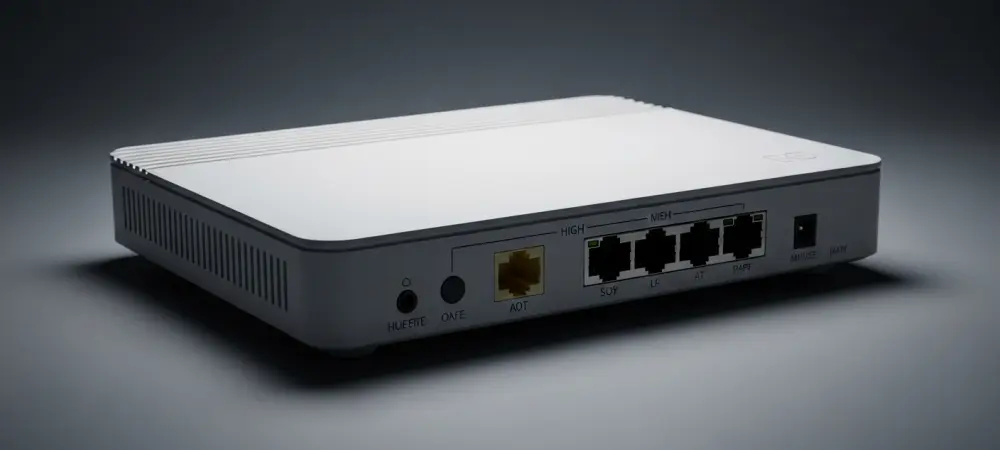
The transition toward the 802.11be standard has accelerated as more consumer devices hit the shelves, leaving many households searching for an affordable entry point into this high-speed era. For years, upgrading to the latest wireless generation meant spending hundreds of dollars on massive, multi-antenna towers that consumed significant power and physical space. However, the Asus RT-BE55 represents a shift in strategy by offering the core advantages of Wi-Fi 7, such as Multi-Link Operation and 4096-QAM, at a fraction of the price seen in flagship counterparts. This router aims to bridge the gap between legacy Wi-Fi 6 systems and the cutting-edge capabilities of modern networking without demanding a premium investment. While it makes certain hardware concessions to reach this lower price point, its focus remains on delivering reliable, low-latency performance for the standard family home where high-bandwidth activities like gaming and streaming are now the daily norm.
Hardware Limitations and Connectivity
Core Specifications: Frequency and Speed
Technical architecture in the RT-BE55 deviates from the tri-band setup commonly associated with the Wi-Fi 7 label, as it lacks the 6GHz radio found in higher-end models. Instead, this device operates as a dual-band router, utilizing the 2.4GHz and 5GHz frequencies to deliver a combined theoretical throughput of approximately 2.8 Gbits/sec. This decision is primarily a cost-saving measure, designed to appeal to users who have not yet invested in a fleet of devices that can leverage the 6GHz band. By focusing on 5GHz, Asus utilizes the 160MHz channel width and the enhanced modulation of the 802.11be standard to provide significant performance gains over older Wi-Fi 6 hardware. This approach ensures that even without the pristine spectrum of the 6GHz band, users still experience the improved efficiency and reduced congestion that the newer protocol offers during peak usage hours in dense residential areas.
One must consider the implications of missing the 6GHz band when evaluating the long-term utility of this specific networking equipment. While the 5GHz band is incredibly capable, it remains the most crowded frequency in many urban environments, leading to potential interference from neighbors and legacy electronics. The RT-BE55 attempts to mitigate this by implementing the advanced scheduling and noise-handling features inherent to the Wi-Fi 7 standard. However, the absence of the 6GHz “fast lane” means that the router cannot offer the ultra-low latency and interference-free performance that defines the premium Wi-Fi 7 experience. For many households, this is a reasonable trade-off, especially if their current internet service provider does not offer speeds exceeding 2 gigabits per second. The router serves as a pragmatic choice for those wanting the architectural stability of the latest standard without paying for spectrum they might not yet have the hardware to use.
Physical Interface: Port Selection and Connectivity
Regarding the physical interface, the inclusion of a 2.5GbE WAN port is a significant benefit for users who have upgraded to multi-gigabit fiber internet plans. This port ensures that the incoming connection from the modem is not bottlenecked at the traditional 1Gbps limit, allowing the router to distribute high speeds to wireless devices effectively. However, the internal landscape of the device is somewhat more restrictive, as the four downstream LAN ports are limited to standard Gigabit speeds. This means that while the wireless network can potentially exceed 1,000 Mbps, any wired devices connected to the router will be capped at legacy speeds. This configuration is somewhat puzzling for a Wi-Fi 7 device, as it limits the ability to transfer large files quickly between local wired computers. For a home that relies heavily on a central server or a high-speed workstation, this limitation might necessitate the purchase of an additional multi-gigabit switch. Another notable omission in the hardware design of this budget-friendly model is the complete absence of any USB ports. Modern routers frequently include at least one USB 3.0 port to facilitate network-attached storage, printer sharing, or even a cellular backup dongle for when the primary internet fails. By removing this feature, Asus has streamlined the device to focus purely on wireless distribution and routing efficiency. While this keeps the unit compact and more affordable, it eliminates several “quality of life” features that many enthusiasts have come to expect from the brand. Users who previously relied on their router to act as a rudimentary media server or a file-sharing hub will need to look elsewhere or invest in a dedicated NAS device. This design choice reinforces the position of the RT-BE55 as a specialized, no-frills gateway rather than a comprehensive home networking center, catering to those who prioritize raw internet connectivity over peripheral functionality.
The Asus Software Ecosystem
Management Ecosystem: Software and Security
Asus provides its AiProtection service, which leverages cloud-based databases to block malicious websites and detect infected devices before they can compromise the wider local network. Unlike some other manufacturers that require a monthly subscription for advanced security features, many of these tools are included for the life of the product. This creates a compelling value proposition for families who are increasingly concerned about the security of their smart home devices and personal data. Additionally, the parental control features are exceptionally robust, allowing administrators to set specific schedules for internet access or filter content based on the age of the user. These tools are integrated directly into the core firmware, ensuring they do not negatively impact the routing performance or introduce unnecessary latency. Beyond security, the VPN Fusion feature provides a level of network flexibility that is rarely found in the entry-level market. This tool allows the router to maintain multiple VPN connections simultaneously, enabling the user to assign specific devices to different tunnels. For example, a gaming console could use a standard connection to minimize lag, while a work laptop or a smart television could be routed through a secure VPN for privacy or to access region-locked content. This granular control is managed through a relatively straightforward interface, making it accessible even to those who are not networking experts. By centralizing these functions at the router level, the RT-BE55 eliminates the need to install and manage individual VPN applications on every device in the home. This comprehensive approach to software-defined networking adds a layer of sophistication that helps justify the cost of the hardware for power users who need advanced traffic management.
User Interface: Accessibility and Configuration
Navigating the various settings of a modern router can be a daunting task, and the RT-BE55 offers two distinct paths for management: a mobile application and a traditional web console. The mobile app is designed for convenience, providing a streamlined view of network health, connected devices, and basic security settings. It is ideal for quick adjustments, such as enabling a guest network for visitors or checking the real-time bandwidth usage of a specific device. However, the app can feel a bit crowded at times, as it attempts to pack a vast amount of information into a small screen. For more complex configurations, such as port forwarding or deep QoS settings, the web-based interface is still the preferred method. It offers a comprehensive overview of every technical parameter available, though the sheer volume of menus and options may overwhelm a casual user who simply wants their internet to work without any manual intervention.
Balance is key when providing a high degree of customization, and while Asus succeeds in offering depth, it occasionally struggles with simplicity. Networking enthusiasts will appreciate the ability to fine-tune nearly every aspect of the wireless signal, from beacon intervals to professional-grade radio settings. Conversely, the average consumer might find themselves lost in a sea of technical jargon and nested menus. Despite this potential for confusion, the inclusion of “one-click” optimization tools helps to bridge the gap for less experienced users. The software includes automated troubleshooting assistants that can identify common issues like channel interference or cable faults, providing actionable advice to resolve them. This dual-natured approach ensures that the RT-BE55 is capable of serving both the set-it-and-forget-it crowd and the hobbyists who want to extract every bit of performance from their home network infrastructure.
Performance Benchmarks and Competitive Analysis
Signal Performance: Range and Consistency
In real-world testing environments, the RT-BE55 demonstrated that it is more than capable of handling the demands of a medium-sized modern household. When operating within the same room as the router, the device consistently reached speeds that saturated the 1Gbps threshold, making it a perfect companion for high-speed internet connections. The transition to Wi-Fi 7 protocols allowed for a more stable connection even when multiple devices were streaming high-definition video or downloading large gaming files simultaneously. This stability is largely due to the improved data density of the 4096-QAM modulation, which packs more information into the same radio waves compared to previous standards. As a result, the “wait times” for data packets are reduced, leading to a snappier feeling when browsing the web or engaging in interactive applications that require quick response times from the network.
However, as distance from the router increased, the limitations of the internal antenna array and the dual-band design became more apparent to the testers. While the signal remained strong enough for basic web browsing and email at the far edges of a typical suburban home, the raw throughput dipped more significantly than what was observed with premium tri-band routers. In a large house with multiple thick walls, the 5GHz signal struggled to maintain the high-speed performance required for jitter-free 4K streaming in the furthest bedrooms. This suggests that while the RT-BE55 is an excellent standalone solution for apartments or medium homes, it may need to be integrated into a mesh system for total coverage in larger properties. Fortunately, the router supports AiMesh technology, allowing it to connect with other Asus routers to create a unified network that can eliminate these dead zones while maintaining the benefits of the latest wireless standards.
Market Position: Comparisons and Alternatives
The competitive landscape for budget Wi-Fi 7 routers is surprisingly fierce, with several manufacturers vying for the attention of cost-conscious early adopters. One of the primary rivals is the TP-Link Archer BE3600, which often carries a lower price tag while offering a more impressive hardware list. Unlike the Asus model, the TP-Link version frequently includes dual 2.5GbE ports and a USB 3.0 socket, providing a level of physical connectivity that the RT-BE55 lacks. This creates a difficult choice for the consumer: prioritize the superior hardware and lower cost of the TP-Link or the more refined software and security ecosystem offered by Asus. In many ways, the Asus model relies on its brand reputation and the perceived longevity of its firmware updates to convince buyers that it is worth a slight premium. This strategy has worked well for the company in the past, as users are often willing to pay more for a stable and well-supported interface.
Another factor in this rivalry is the ease of integration into existing home ecosystems. Many users who already own Asus networking hardware will find the RT-BE55 to be a natural addition, as it can be easily added to an existing AiMesh network to provide a Wi-Fi 7 “node” in a high-traffic area. The TP-Link ecosystem, while functional, is often viewed as being slightly less flexible when it comes to mixing and matching different hardware generations. When evaluating these two options, one must look beyond the spec sheet and consider the long-term management of the network. If the user values a “set and forget” experience with top-tier security and a polished mobile app, the Asus remains a very strong contender. However, for those who are purely focused on getting the most hardware for their dollar, the competitors in this space offer a very compelling argument that is hard to ignore in the current 2026 market where every dollar counts toward a tech budget.
Final Assessment and Strategic Considerations
Efficiency Analysis: Upload and Remote Access
Throughout the evaluation period, it was observed that the upload performance of the RT-BE55 was somewhat less consistent than its download throughput. While download speeds remained impressively high near the router, the upload speeds showed a more rapid decline as the signal passed through obstacles or over longer distances. This is a common characteristic of budget-oriented routers with smaller internal antennas, but it is something that remote workers and content creators should keep in mind. For tasks such as uploading large video files to the cloud or participating in high-definition video conferences from a home office, the router performed best when placed in a central, unobstructed location. Despite these minor dips, the overall performance stayed well within the requirements for most modern applications, ensuring that the majority of users never encountered a significant bottleneck during their daily online routines.
The router’s ability to handle multiple simultaneous connections was a high point in the testing phase, showcasing the efficiency of the new Wi-Fi 7 scheduling algorithms. Even when the network was stressed with a combination of gaming, streaming, and background updates across a dozen different devices, the RT-BE55 maintained a fair distribution of bandwidth. This prevented any single device from “hogging” the connection and causing others to lag or buffer. This improved handling of high-density traffic is a direct result of the architectural advancements in the 802.11be standard, which the Asus firmware utilized effectively. This level of performance makes the router a solid choice for modern households where the number of connected devices—from smart light bulbs to high-end laptops—continues to grow every year. It proved that one does not necessarily need a flagship device to enjoy a stable and efficient wireless environment for a standard family.
Strategic Implementation: Final Recommendations
The decision to upgrade to the Asus RT-BE55 was seen as a move toward modernizing a home network with a focus on software stability rather than raw hardware specifications. It was determined that this router functioned best as a gateway for users who prioritized a secure, manageable, and easy-to-use system over high-speed wired networking or the 6GHz spectrum. Those who were looking for a reliable way to enter the Wi-Fi 7 ecosystem without overspending found that the device offered a significant leap in efficiency over their older Wi-Fi 5 or Wi-Fi 6 units. To maximize the value of this purchase, users were encouraged to place the router in a central location to mitigate the slight range limitations and to utilize the 2.5GbE WAN port to its full potential by pairing it with a high-speed fiber internet plan. This approach ensured that the wireless bottlenecks of the past were largely eliminated for most common household tasks.
Future considerations for potential buyers involved weighing the benefits of the Asus ecosystem against the hardware advantages of competitors. It was recommended that individuals with extensive wired networks or those needing local storage via USB should consider a higher-tier model or a dedicated switch. However, for the average consumer who lived in a medium-sized home and relied almost exclusively on wireless connectivity, the RT-BE55 provided a robust and future-ready foundation. The path forward for these users included monitoring firmware updates to take advantage of any performance optimizations Asus released over the next several years. By focusing on the strengths of the software and the core efficiencies of the Wi-Fi 7 standard, this router established itself as a practical and dependable choice for anyone seeking a modern upgrade that would remain relevant and secure throughout the late 2020s and beyond.