

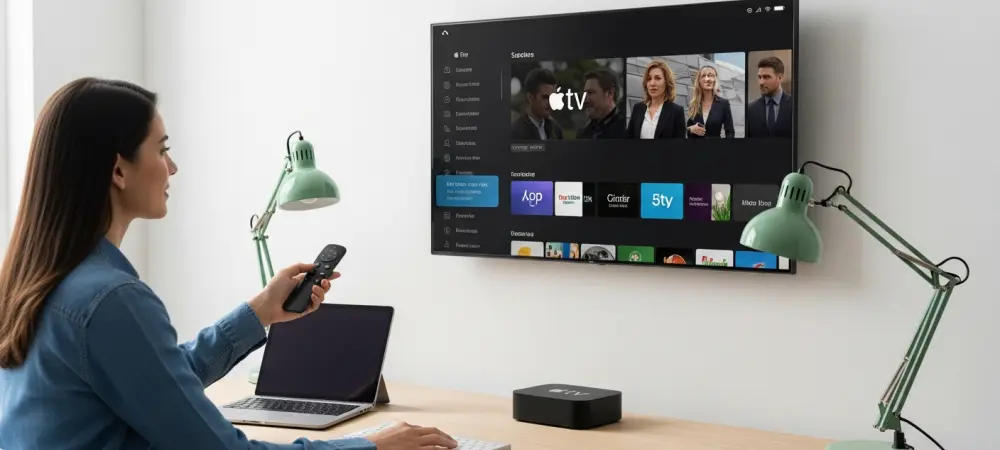
Streaming high-definition content on an Apple TV requires more than just a fast fiber connection when users demand privacy through virtual private networks. Historically, implementing a VPN on a media player meant sacrificing significant bandwidth because older cryptographic standards were too heavy for the device’s processor to handle efficiently. However, the landscape has shifted drastically with the introduction of lightweight, modern protocols that prioritize speed without compromising security. These advancements ensure that 4K Dolby Vision streams remain stutter-free even when data is routed through encrypted tunnels across continents. As tvOS matures, the ability to leverage kernel-level optimizations for data transmission has turned the Apple TV into a high-performance networking hub. Understanding how these specific protocols interact with the hardware architecture reveals why the era of the VPN speed tax is finally coming to an end for home theater enthusiasts who previously avoided encryption. By adopting streamlined codebases, these protocols minimize the overhead that once throttled even the fastest gigabit connections, creating a seamless viewing experience.
Technical Optimization and Hardware Synergy
WireGuard has fundamentally altered the performance expectations for encrypted traffic on consumer electronics by replacing bloated legacy code with a streamlined architecture. Conventional protocols like OpenVPN often consist of hundreds of thousands of lines of code, which creates a massive computational burden during the handshake and encryption phases. In contrast, WireGuard utilizes a compact codebase of approximately four thousand lines, allowing for much faster processing on the Apple TV’s hardware. This reduction in complexity directly translates to lower CPU usage and higher throughput, enabling the device to maintain peak speeds even during intense data bursts required for ultra-high-definition video. Moreover, the use of modern cryptographic primitives like ChaCha20 ensures that the encryption process itself is incredibly efficient. Because these algorithms are designed to be fast in software, they do not require specialized hardware acceleration to outperform older standards. This efficiency is critical for maintaining the low latency needed to prevent buffering during live sports or high-bitrate movies. The synergy between WireGuard and the Apple Silicon chips found inside the latest Apple TV models creates a robust environment for high-speed networking. Since these A-series processors are built for efficiency, the lightweight nature of newer protocols allows more system resources to be dedicated to video decoding and system-level tasks. This architectural advantage means that users can run a VPN in the background without noticing the typical performance hit that plagued earlier generations of streaming boxes. Furthermore, the roaming capabilities inherent in these protocols ensure that the connection remains stable even if the network environment fluctuates or the IP address changes. By utilizing a stateful approach to connections, the protocol avoids the constant renegotiations that often cause stream interruptions on less stable internet service provider links. This reliability is a key factor in why modern protocols have become the preferred choice for enthusiasts seeking a premium experience. As developers continue to optimize these tools for tvOS, the gap between encrypted and unencrypted performance continues to narrow.
The evolution of these protocols demonstrated that hardware limitations were no longer the primary bottleneck for secure streaming. Users who transitioned to these modern standards discovered that selecting a service with dedicated tvOS support provided the most significant gains in stability. It became clear that the integration of MASQUE and WireGuard offered a practical solution for overcoming regional network congestion and ISP-level limitations. Moving forward, consumers achieved the best results by prioritizing providers that offered transparent protocol switching and low-latency server locations. This strategic shift in networking allowed households to maximize their hardware investment while ensuring data privacy remained a top priority. Professionals recommended auditing network settings to ensure that MTU sizes were optimized for these new tunnels to avoid fragmentation. By embracing these technological shifts, viewers successfully eliminated the trade-off between security and speed, setting a new benchmark for home entertainment systems. The industry moved toward a standard where encryption was an invisible, high-performance background process rather than a hindrance to the digital experience.