

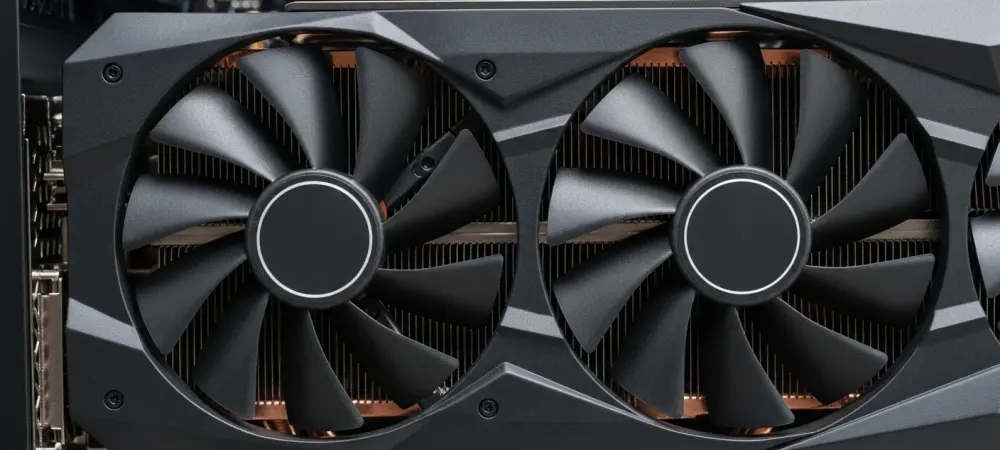
Modern graphics cards are sophisticated pieces of hardware designed to balance extreme processing power with energy efficiency and silent operation through automated cooling systems. For many enthusiasts, the transition between intensive gaming sessions and quiet productivity should be seamless, yet a persistent technical flaw in the latest software stack has disrupted this delicate equilibrium for many users. Recent reports indicate that a malfunction within the fan control logic is preventing cooling systems from engaging when they are most needed, creating a scenario where high-performance hardware remains passive under heavy thermal loads. This specific issue involves the Zero RPM feature, a utility intended to prolong hardware lifespan and reduce noise, which is now inadvertently doing the opposite by allowing internal temperatures to climb toward dangerous thresholds without any mechanical intervention. As systems recover from low-power states, the software fails to reinitialize the cooling fans, leaving the GPU vulnerable to thermal stress during subsequent tasks.
Mechanism of a Cooling Failure
The core of the problem lies in the communication between the display driver and the hardware’s thermal management subsystem following a change in power state. When a monitor enters sleep mode or is manually powered off, the Adrenalin driver correctly instructs the GPU fans to stop spinning to conserve energy and eliminate noise. However, upon the resumption of activity, the handshake required to re-enable fan control fails to execute, keeping the blades stationary regardless of the actual temperature readings from the silicon. This creates a silent but hazardous condition where a user might launch a demanding application or a high-definition video without realizing that their primary cooling mechanism is entirely unresponsive. Monitoring software often reflects the rising temperatures accurately, yet the automated logic that should trigger the fans at specific heat intervals remains locked in an idle state. This breakdown in the feedback loop transforms a convenient feature into a significant liability for hardware stability.
Thermal management is critical for modern semi-conductors because excessive heat can lead to immediate performance degradation through a process known as thermal throttling. When a GPU reaches its upper safety limit, it lowers its clock speeds and voltage to prevent permanent damage, resulting in stuttering, lower frame rates, and an overall sluggish experience. While these safety features are built into the hardware to prevent a total meltdown, the repeated exposure to high temperatures caused by the Zero RPM bug can accelerate component aging and lead to long-term reliability issues. This is particularly concerning for users in environments with high ambient temperatures, where passive cooling is insufficient to keep temperatures within an acceptable range even during moderate usage. The lack of active airflow means that heat accumulates not just on the core chip, but also on the video memory and power delivery modules, which are equally sensitive to thermal stress.
Mitigation Strategies and User Responses
In the absence of an official patch that addresses this specific fan behavior, the global community of PC builders has been forced to develop several temporary workarounds to safeguard their expensive components. The most straightforward, albeit disruptive, method involves performing a complete system reboot every time the monitor wakes from a sleep cycle to ensure the fan controller is properly reinitialized. For those seeking a more permanent fix until a formal update arrives, many are turning to the Display Driver Uninstaller utility to perform a clean sweep of the current software environment. This process removes all lingering registry entries and driver files that might be contributing to the conflict, allowing for a fresh installation that sometimes bypasses the error. Another highly recommended tactic is rolling back the driver suite to version 24.3.1, which has been identified as the last stable release where the Zero RPM functionality operates as intended across various hardware configurations.
Beyond software reinstallation, power users are increasingly relying on manual intervention through third-party monitoring tools and custom fan profiles to bypass the automated system entirely. By disabling the Zero RPM toggle within the driver settings and establishing a constant minimum fan speed, users can ensure that there is always a baseline level of airflow regardless of the system’s power state. This approach negates the silent benefits of the feature but provides a necessary safety net against the unpredictable failures observed in recent driver iterations. Furthermore, some users have found success by adjusting Windows power management settings to prevent the display from entering deep sleep, though this results in higher overall energy consumption and potential monitor wear. These community-driven solutions highlight the current state of self-reliance required by owners of these cards, as they wait for a definitive software resolution that restores the expected balance of silence and safety.
Long-Term Outlook for Hardware Safety
Ensuring the longevity of high-end graphical hardware required a proactive approach to monitoring and a willingness to prioritize cooling over silence during this software transition. Users who adopted manual fan curves effectively circumvented the risks of thermal degradation, demonstrating that software-level automation should always be paired with user-defined safety margins. Looking forward, the implementation of more robust hardware-level fan overrides could serve as a vital redundancy to prevent similar driver-based failures from impacting physical components in the future. Integrating independent thermal controllers that function outside of the primary operating system environment might provide the necessary protection when software logic fails to respond to environmental changes. This event underscored the importance of maintaining an active presence in technical communities where emerging hardware risks are first identified and discussed. Owners who stayed informed were able to implement these defensive measures long before official documentation or patches were made available to the public.
Maintaining peak performance in 2026 and beyond necessitated a deeper understanding of how software drivers interact with physical cooling limitations. The shift toward more complex power-saving features introduced new points of failure that required users to remain vigilant about their hardware’s operational status. Moving forward, the industry might see a greater emphasis on fail-safe cooling protocols that trigger emergency fan speeds if communication with the driver is lost for a specific duration. For the current generation of users, the primary takeaway was the necessity of verifying automated systems through secondary monitoring tools to ensure that safety features did not become hazards. By adopting a conservative approach to driver updates and utilizing manual overrides, enthusiasts protected their investments against the unforeseen consequences of software-driven optimization. This strategy proved essential for balancing the desire for a quiet computing environment with the absolute requirement for consistent and reliable thermal management across all operational states.