

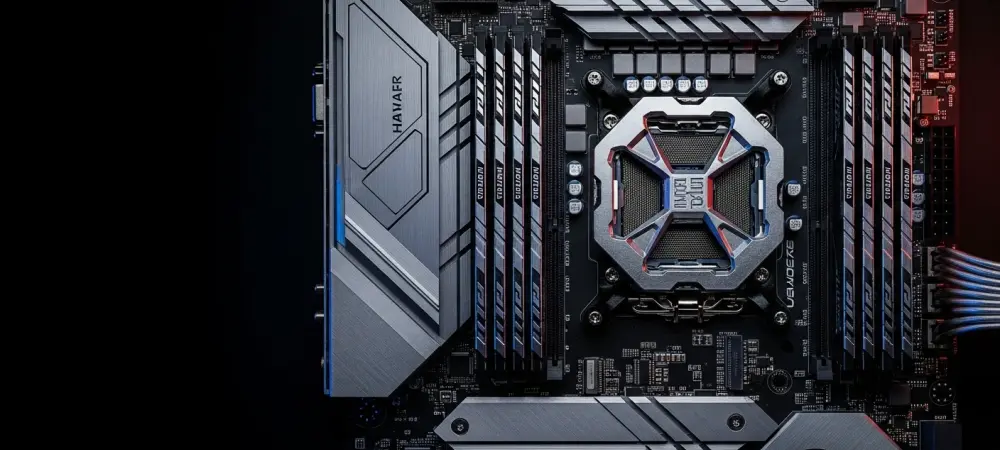
The global supply chain for high-performance silicon has undergone a radical transformation as the relentless expansion of neural network clusters moves beyond a niche GPU shortage into a full-blown processor emergency. While industrial attention was previously fixed on the scarcity of high-bandwidth memory, a more pervasive crisis has taken root within the foundational layers of computing. Lead times for standard hardware have quietly ballooned from a reliable two-week cycle to several months of logistical uncertainty.
This shift marks a critical juncture where the massive energy and component requirements of AI data centers are no longer just localized issues but are actively destabilizing the availability of general-purpose processors. As server farms prioritize “agentic AI” capabilities, the humble CPU—the brain responsible for everything from corporate workstations to entry-level laptops—is being sidelined by manufacturers scrambling to feed the infrastructure beast.
The Silicon Squeeze: A Structural Reallocation of Priority
Unlike the logistical hiccups of previous years, the current bottleneck stems from a deliberate and structural shift in how semiconductor giants allocate their limited manufacturing capacity. Intel and AMD have pivoted their most advanced fabrication lines toward high-margin server chips requested by cloud titans, leaving the high-volume PC market in a precarious state. This realignment has essentially turned general-purpose computing into a secondary priority for the world’s largest chipmakers.
Furthermore, this manufacturing pivot creates a trickle-down effect that hits original equipment manufacturers (OEMs) the hardest. When the architectural focus shifts toward massive data center clusters, the efficiency of producing smaller, affordable chips for everyday devices drops significantly. Consequently, the tech industry finds itself in a position where the tools built to power the future are inadvertently cannibalizing the very hardware needed to maintain current digital operations.
The Collateral Damage: Ripple Effects in Consumer Tech
The aggressive expansion of AI-ready data centers has created a vacuum that pulls resources away from the consumer and enterprise sectors with devastating efficiency. Manufacturers now project price increases between 10% and 15% for pre-built PCs and servers as production costs soar due to component scarcity. The viability of affordable, entry-level laptops is especially at risk, as razor-thin margins cannot withstand the rising costs of increasingly rare x86 silicon.
Beyond standard computers, specialized hardware projects are feeling the pressure of this resource land grab. For instance, niche innovations like Valve’s Linux-based mini PC have faced indefinite delays because specific silicon variants are simply unavailable. Moreover, the surging demand for DDR5 memory within data centers has kept prices prohibitively high, effectively stalling the natural upgrade cycle and forcing users to remain on aging DDR4 platforms.
Analyst Forecasts: The Rise of Alternative Architectures
Industry experts suggest this trend is not a fleeting anomaly but a long-term recalibration of the technological landscape that may persist until 2030. Supply constraints are expected to intensify over the next four years, prompting a desperate search for alternatives to the traditional x86 dominance. In this climate, Arm has emerged as a formidable challenger, seizing the opportunity to fill the void left by struggling incumbents. Arm recently introduced its AGI CPU, marking its first independent hardware venture in decades, specifically optimized for autonomous AI workloads. This strategic move has already gained traction with major players like Meta, OpenAI, and Lenovo, who are seeking to bypass traditional bottlenecks. These organizations are increasingly pivoting toward custom silicon and Arm-based designs to ensure their infrastructure remains resilient against the volatility of the traditional CPU market.
Strategies: Navigating a Resource-Constrained Ecosystem
Surviving this era of scarcity requires a fundamental transition away from “just-in-time” procurement toward a more strategic and resilient hardware philosophy. Businesses must begin diversifying their architectural dependencies, evaluating how Arm-based systems can mitigate the risks posed by strained Intel and AMD supply lines. Proactive planning is now mandatory, with hardware refreshes requiring at least nine months of lead time to ensure continuity.
IT departments should also prioritize modular maintenance and lifecycle extension for existing systems to avoid the inflated costs of the current transition. By focusing on targeted upgrades and software optimization, organizations could bypass the most expensive waves of the hardware crisis. Ultimately, the industry moved toward a hybrid model where architectural flexibility and long-term stockpiling became the primary defenses against a world where processing power was no longer a guaranteed commodity.