

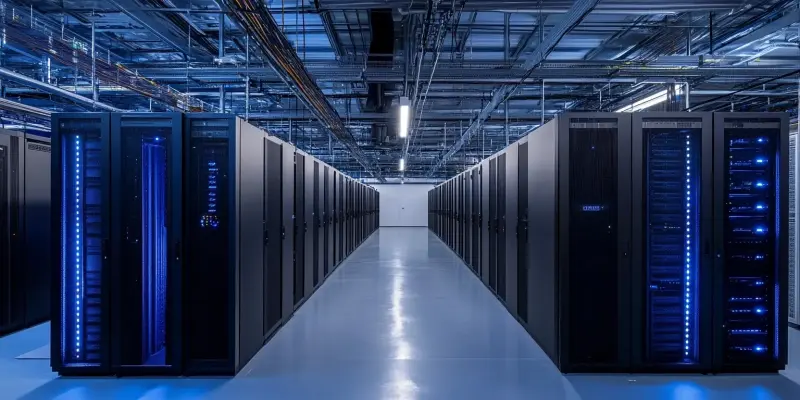
The recent news of Thailand approving significant investments in data centers and cloud services, amounting to approximately US$2.7 billion, reflects the impact of the AI boom in Asia. The country’s investment board has announced several ambitious projects, including a massive 300 MW data center by Beijing Haoyang Cloud & Data Technology, valued at THB72.7 billion (around US$2.2 billion). This move has attracted attention, highlighting Thailand’s growing role in the digital infrastructure landscape as it positions itself as a leading hub in Southeast Asia.
Major Investments in Digital Infrastructure
These investments aren’t just isolated events but part of a broader strategy to elevate Thailand’s status in the regional tech ecosystem. For instance, GSA Data Center 02, a Thai firm, has proposed a 35 MW data center with an investment of THB13.5 billion (US$402 million). Meanwhile, Singapore-based Empyrion Digital is planning to launch a 12 MW data center in Bangkok by the first quarter of 2027, with a hefty investment of 4.72 billion baht (US$140.5 million). Notably, this facility is designed specifically to support AI and cloud workloads, indicating a targeted approach to cater to the burgeoning demand for advanced data processing capabilities.
Adding to this flurry of investments, TikTok has announced plans for a data hosting service worth THB126.8 billion baht (US$3.8 billion), which further underscores the region’s attractiveness to tech giants. Google and Amazon Web Services have also committed US$1 billion and US$5 billion, respectively, while Microsoft intends to open its first regional data center in Thailand. These initiatives underline the heightened interest and trust that major global companies have in Thailand’s potential as a data center and cloud service hub.
Strategic Move Towards Becoming a Regional Hub
Thailand’s strategic move to become a hub for data centers and cloud services is not just about attracting investments but also about building a robust digital ecosystem. The country is focused on enhancing its digital infrastructure to support AI and cloud computing industries. The growing investment in this sector highlights Thailand’s commitment to becoming a central player in the regional tech landscape, providing the necessary infrastructure to meet the increasing demand for data processing and storage capabilities.
A significant contributor to this shift is the Thai government’s proactive approach in fostering a supportive environment for tech investments. The government has implemented favorable policies and offered incentives to attract both local and international tech giants. This has led to prior significant investments, including approval of US$1.8 billion in data centers in the previous year, involving notable projects by Google and GDS subsidiary DigitalLand Services.
The overarching theme in these developments is Thailand’s ambition to be at the forefront of the digital revolution in Southeast Asia. By creating a conducive environment for technological advancement, the country is striving to position itself as a key player in the rapidly evolving digital landscape. These efforts appear to be paying off, as evidenced by the substantial investments and commitments from some of the biggest names in the tech industry.
Future Considerations for Thailand’s Digital Growth
Thailand has recently approved significant investments in data centers and cloud services, totaling around US$2.7 billion. This move underscores the impact of the AI boom in Asia and signals Thailand’s eagerness to strengthen its digital infrastructure. The country’s investment board has unveiled several ambitious projects in this sector. Notably, Beijing Haoyang Cloud & Data Technology plans to build a massive 300 MW data center, valued at THB72.7 billion (approximately US$2.2 billion). This large-scale project has caught the attention of many, emphasizing Thailand’s strategic positioning as a digital infrastructure hub in Southeast Asia. These investments are expected to drive technological advancements, create job opportunities, and attract further foreign interest in Thailand’s growing tech landscape. With its focus on becoming a major player in the region’s digital economy, Thailand is setting the stage for significant growth and innovation in the years to come.