

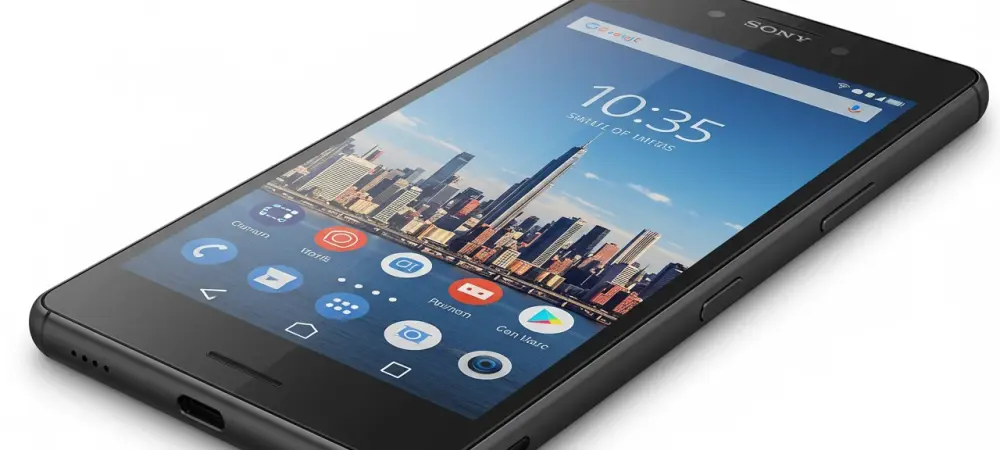
The smartphone industry is witnessing an unexpected turn with the challenges faced by Sony’s reputed flagship, the Xperia 1 VII. This flagship device, once hailed as a frontrunner in cutting-edge technology, has encountered significant setbacks stemming from unexpected shutdown issues. The ripple effects of this occurrence are being felt globally, marking a critical point for Sony as it aims to maintain its foothold in the fiercely competitive smartphone arena. This analysis explores these evolving challenges, their roots, and prospective repercussions on Sony’s market positioning.
Contextualizing the Xperia 1 VII Dilemma
The predicament surrounding the Xperia 1 VII is intricate, emerging initially within Japan before expanding across Taiwan, Hong Kong, and major European markets. Sony, taking precautionary measures, has initiated a suspension of its sales in multiple regions. Once the hallmark of mobile innovation, Sony now faces critical tests of its resilience amid increased competition from tech giants and nimble tech startups. These developments underscore the importance of addressing both inherent hardware flaws and external market pressures to uphold Sony’s reputation in the tech sphere.
Analyzing Market Trends and Technological Implications
Dissecting the Underlying Issues: Hardware or Software? The central question concerning the mass shutdowns of the Xperia 1 VII revolves around whether they are caused by hardware defects or software incompatibilities. While initial theories indicated regional software issues, the broader suspension strategy highlights a potentially deeper hardware-related concern. Market analysts suggest that if left unchecked, this hardware challenge could undermine brand credibility, necessitating a comprehensive technical review. Unraveling this core problem is essential for Sony to devise effective countermeasures and restore stakeholder confidence.
Consumer Perceptions and Industry Ramifications
Consumers’ trust is pivotal in an industry defined by its fast-paced innovations and rapid shifts. With consumers already expressing reservations comparable to historical tech crises, Sony’s scenario underscores the potential for shifts in consumer loyalty. As Sony navigates these troubled waters, competitors have an opportunity to leverage these market dynamics to their advantage. Analyses reveal that successful crisis management and consumer engagement may be decisive in regaining market share and trust.
A Shift in Regional Reactions and Market Dynamics
Market reactions vary across regions, offering critical insights into Sony’s operational strategies. The swift actions in Japan reflect a high priority on immediate resolution, while other markets may perceive broader implications due to cultural and technological variations. Unique factors, such as Japan’s distinctive payment systems, require careful consideration and adaptation across diverse consumer landscapes. Such nuances suggest that Sony’s strategy must be versatile, tailored to the specific challenges of each region, and informed by comprehensive market research.
Forecasting the Industry: Future Pathways for Sony
The smartphone market is continuously evolving, and recent trends suggest transformative changes that could influence how Sony emerges from its current dilemma. Advancements in quality assurance, augmented by AI and machine learning, hold promise for revitalizing Sony’s approach to quality control—a critical factor moving forward. Additionally, regulatory developments and shifting consumer preferences may offer new opportunities and drive Sony toward more resilient and innovative practices. Sony’s strategic realignment will likely hinge on embracing these opportunities and leveraging technological innovation to future-proof its aspirations.
Strategic Approaches for Market Rejuvenation
Looking beyond the immediate challenges, Sony’s pathway to market recovery involves meticulous planning and execution. Effective crisis management through transparent communication and engaging consumer feedback are vital components in steering brand perception positively. Additionally, a re-emphasis on research and development investments to prevent technical lapses is fundamental in navigating future uncertainties. These strategies serve as the cornerstone for overcoming current setbacks and solidifying a foundation for progressive growth and consumer allegiance.
In reflection, Sony’s challenges with the Xperia 1 VII have underscored the vulnerabilities inherent in new-age tech innovations. These circumstances presented a dual obstacle—a test of brand resilience and an opportunity for reinvention. By understanding these challenges, Sony and other stakeholders can draw strategic insights to fortify their future technological endeavors, emphasizing the essence of consumer trust and reliability in sustaining a competitive edge within the ever-evolving tech landscape.