

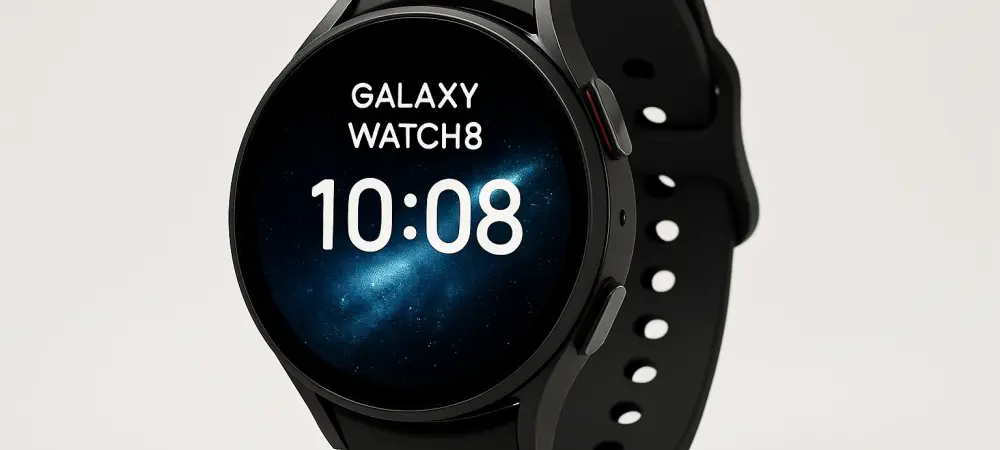
What does the future of smart wearables look like? With technology evolving at breakneck speed, wearable devices now hold the promise of seamlessly blending design, functionality, and personalized health insights into everyday life. Samsung’s latest innovation—the Galaxy Watch8 series—ignites curiosity about how this integration will impact the ever-changing tech landscape.
Bridging Lifestyle with Cutting-Edge Technology
Wearable technology increasingly plays pivotal roles in daily routines, transforming how individuals approach health, fitness, and productivity. As users demand more advanced and personalized features, Samsung aims to rise to the occasion by delivering a device that meets these needs with the Galaxy Watch8 series. This new line not only tackles the trend of health monitoring but does so with enhanced tools, including customizable features and seamless technology integration. With conversations around personalized health data becoming more prevalent, this series stands out as a potential game-changer.
Unveiling the Inner Workings of Galaxy Watch8
Samsung offers more than just minor updates; it brings significant design innovations with the Watch8’s ‘cushion design.’ This feature, sharing similarities with the previous Galaxy Watch Ultra, incorporates a rounded squircle-shaped casing and circular display to enhance wearability. Samsung’s Dynamic Lug system elevates user experience by minimizing the gap between the wrist and watch housing, improving accuracy in health and activity tracking. Available models—the Galaxy Watch8 and Watch8 Classic—present distinct variations in size, materials, and design elements such as the popular rotating bezel. The display innovation comes with an AMOLED screen protected by Sapphire Crystal, known for peak brightness capabilities, making visibility and responsiveness remarkable attributes.
Industry Viewpoints and Expert Analysis
A spotlight on the BioActive Sensor in the Galaxy Watch8 has garnered widespread approval from experts in health tracking technology. This sensor promises improved function, providing users with detailed insights into vital stats without compromising accuracy. However, the decision by Samsung to utilize proprietary straps has stirred discussions, with industry experts providing insight into potential customization constraints. This strategic move offers exclusivity but prompts dialogue about long-term effects on user choice and personalization.
Enhancing Everyday Use and Benefits to Users
Practical applications of new features in the Galaxy Watch8 include receiving grouped notifications and multi-info tiles, which enrich day-to-day functionality. A conscious approach to battery management caters to varying usage patterns, optimizing device longevity. Users are provided with ways to merge auxiliary tech gadgets with the Watch8 series, seamlessly fusing style and performance into individual lifestyles. Battery optimization advises users on effectively managing battery longevity for maximum utility.
In the past, Samsung’s Galaxy Watch8 series has successfully emerged as a comprehensive and compelling solution in the realm of smart wearables, blending exquisite style and performance. Leveraging these features, owners have tapped into an expanded array of possibilities to enhance their tech-savvy lives. Future considerations could involve expanding these innovations toward deeper customization, reinforcing the watch’s position in the technological tapestry without sacrificing style.