

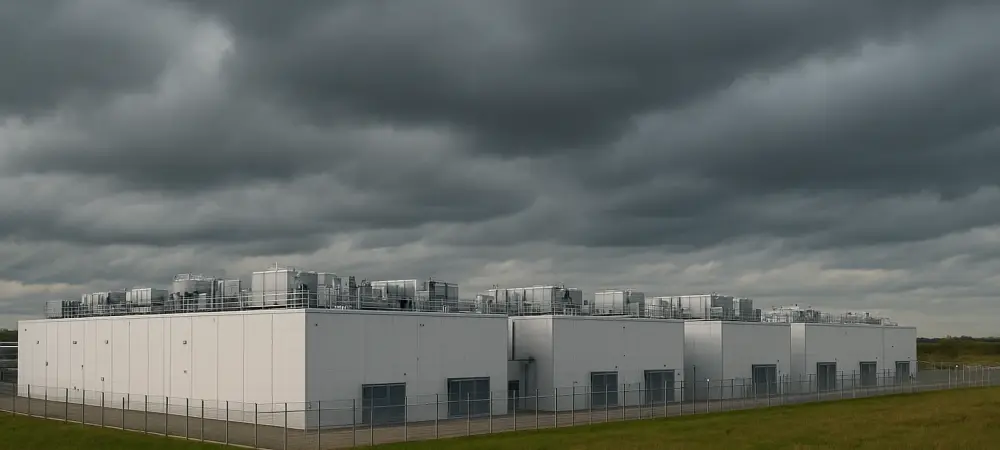
The transition of digital infrastructure into a high-scrutiny utility is reflected in Scotland’s decision to halt consents for facilities over 50 megawatts. This legislative maneuver follows a period of intense debate regarding the rapid expansion of digital infrastructure and its associated environmental and social costs. The subject of analysis focuses on the “de facto” moratorium placed on facilities exceeding this threshold, a move designed to allow the Scottish government to finalize updated planning guidelines and environmental oversight frameworks. This policy shift underscores a broader global trend where governments are struggling to reconcile the explosive growth of artificial intelligence infrastructure with the finite nature of local power and water resources. The move towards more rigorous scrutiny was emphasized by government officials who argued that a blanket suspension was less effective than a structured planning tool. This strategy allows the government to maintain a façade of being open for business while regaining control over the planning process.
Strengthening Oversight and Environmental Accountability
A primary driver for the current pause is the immense strain hyperscale data centers place on local resources, including massive electricity consumption and significant water requirements for cooling systems. To mitigate these risks, the Scottish government has introduced new legislation requiring developers to conduct comprehensive environmental impact assessments for any proposed project. This legislative impulse came from a motion led by advocacy groups concerned with speculative proposals that threaten to overwhelm local grids and ecosystems. While political leaders declined to adopt a permanent moratorium to avoid signaling a hostile environment for international investment, they supported a compromise that halts progress until the National Planning Guidance is updated. This updated guidance, expected to be published within the next twelve months, aims to clarify the specific criteria and environmental standards required for project approval in a modern digital economy.
Balancing Resource Management with Industrial Expansion
Beyond their immense electricity consumption, hyperscale centers require significant volumes of water for cooling and can place a strain on local biodiversity that was previously overlooked during the early phases of the tech boom. By ensuring that every project is backed by a detailed environmental impact assessment, the government intends to shift from a reactive stance to a proactive, evidence-based planning model. This approach seeks to differentiate between speculative projects that may provide little local benefit and strategic investments that align with Scotland’s net-zero goals. The strategy is designed to protect the energy transition from being derailed by sudden surges in data center demand that the current grid is not equipped to handle. Consequently, the focus has shifted toward long-term sustainability rather than short-term economic gains from massive construction projects. This creates a more predictable environment for developers who are willing to meet high standards.
Evaluating Diverse Perspectives on the Regulatory Shift
The parliamentary decision has drawn mixed reactions from various stakeholders, ranging from community advocates who view the pause as a landmark victory to environmentalists who believe the measures do not go far enough. Organizations like Action to Protect Rural Scotland argue the pause provides relief to communities facing uncertainty, while others fear the influence of large tech corporations might still undermine the energy transition. For these advocates, the temporary halt is a chance to breathe and reassess how massive industrial sites fit into the rural landscape without destroying the character of local areas. Skeptics, however, suggest that the government’s refusal to implement a permanent moratorium favors the interests of big technology firms over the public good. They argue that only a total and permanent cessation of large-scale projects can truly protect the environment from the carbon-heavy footprint of artificial intelligence and cloud computing expansions currently being proposed.
The Future of Digital Infrastructure in Scotland
The focus on resource management extends beyond just electricity and water to include the long-term stability of the regional power grid. As artificial intelligence models require increasingly dense compute clusters, the heat generated by these facilities has become a significant concern for urban planners. The Scottish government is now exploring requirements for heat export systems that would allow data centers to provide warmth to local housing developments and public buildings. This integrated approach ensures that the energy consumed by the digital sector is not wasted but instead contributes to the broader circular economy. By mandating such integrations, the new planning framework aims to turn potential environmental liabilities into community assets. This shift requires a high degree of technical collaboration between data center operators and municipal authorities, marking a departure from the traditional model where facilities were built as isolated islands of high-performance computing.
Transitioning from Speculative Growth to Strategic Utility
The overarching trend in Scotland points toward the transformation of digital infrastructure from an unregulated sector into a high-scrutiny utility. This legislative cooling-off period signifies a unified parliamentary understanding that AI-driven development requires a robust national strategy rather than a series of disconnected local approvals. Moving forward, the government intends to ensure that any future projects align with the country’s long-term economic and environmental interests. This shift is part of a broader realization that digital services are as essential as water or electricity and should be regulated with the same level of public interest in mind. By treating these facilities as utilities, the state can demand higher levels of performance and accountability from global technology giants. This evolution reflects a growing global consensus that the digital backbone of society must be resilient, sustainable, and integrated into the existing national infrastructure rather than built in isolation from the local community’s needs.
Defining the New Standards for Approval
In conclusion, the legislative session successfully established a framework that prioritized national resource management over rapid industrial expansion. This shift ensured that the explosive growth of digital infrastructure remained compatible with long-term climate commitments and community welfare. By implementing the temporary pause, policymakers allowed for a comprehensive reassessment of the environmental impacts associated with hyperscale facilities. The subsequent adoption of rigorous environmental impact assessments and social utility requirements proved to be a decisive step in professionalizing the planning process. Moving forward, developers found that alignment with net-zero goals became the primary prerequisite for any new approvals in the region. This transition effectively balanced the demands of the global artificial intelligence boom with the localized needs of the energy grid. Ultimately, these measures transformed the way digital infrastructure was perceived, turning it into a strategically managed national asset rather than a speculative venture.