

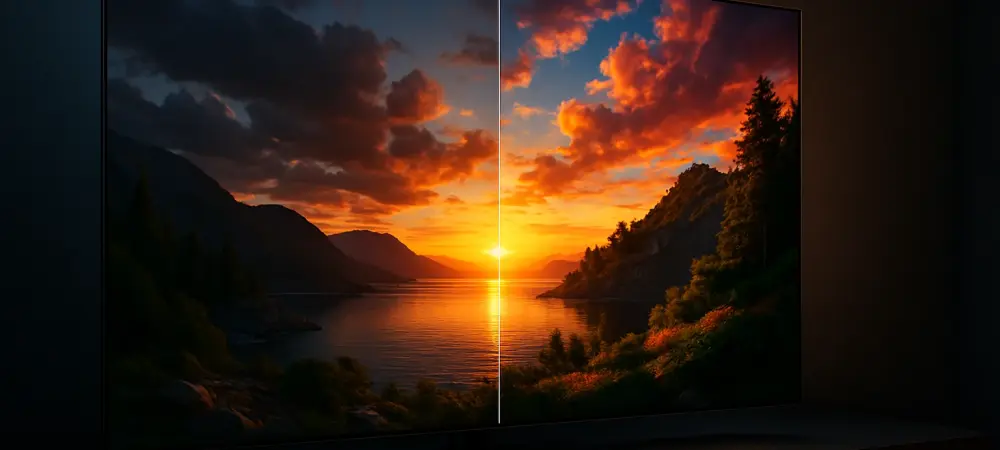
As we dive into the future of television technology, I’m thrilled to sit down with Dominic Jainy, a renowned IT professional whose expertise spans artificial intelligence, machine learning, and blockchain, with a keen interest in cutting-edge applications across industries. Today, we’re focusing on his insights into Samsung’s latest innovation in high dynamic range (HDR) technology, HDR10+ Advanced. This interview explores the nuances of this next-gen HDR format, its rivalry with other standards, and how its unique features aim to revolutionize the viewing experience. From tackling brightness challenges on modern TVs to enhancing gaming and content-specific picture adjustments, Dominic breaks down what makes this technology a game-changer for 2026 and beyond.
Can you give us a broad picture of what HDR10+ Advanced is and why Samsung is rolling it out at this particular time?
HDR10+ Advanced is Samsung’s latest evolution of its HDR format, designed to push the boundaries of image quality on modern televisions. It builds on the existing HDR10+ standard by introducing a suite of enhancements tailored for today’s high-brightness displays and diverse content types. Samsung’s timing aligns with the anticipated launch of their 2026 TV lineup, particularly their ‘Micro RGB’ models, which promise exceptional brightness and color richness. It’s also a strategic move to compete directly with emerging standards like Dolby Vision 2, ensuring Samsung stays at the forefront of visual technology as TVs continue to evolve.
How does HDR10+ Advanced stack up against Dolby Vision 2 when it comes to its core features and advancements?
Both HDR10+ Advanced and Dolby Vision 2 aim to optimize image quality for newer TV technologies, but they approach it with some distinct flavors. HDR10+ Advanced introduces six key upgrades, like improved tone mapping for bright displays and real-time adjustments for gaming, which mirror some of Dolby Vision 2’s innovations. However, Samsung’s format seems to emphasize broader compatibility and unique tools like genre-based picture tuning. Plus, with early support from a major streaming platform, HDR10+ Advanced might have an edge in content availability at launch, which could sway consumers over Dolby’s offering.
Let’s zoom in on HDR10+ Bright. How does this feature address challenges with tone mapping on ultra-bright TVs, especially mini-LED models?
HDR10+ Bright is all about solving a persistent issue with tone mapping on TVs that exceed the typical 1,000-nit brightness threshold, which many mini-LED sets do today. Most content is mastered for 1,000 nits, so when a TV is brighter, it needs to expand the dynamic range without distorting the creator’s intent. HDR10+ Bright introduces a more consistent and accurate method for this upward mapping, ensuring highlights don’t wash out and details remain crisp, especially on cutting-edge mini-LED displays where brightness can vary dramatically across zones.
Why is tone mapping so critical for TVs brighter than 1,000 nits, and what does HDR10+ Bright do to ensure accuracy in the image?
Tone mapping becomes crucial above 1,000 nits because most content isn’t mastered for such high brightness levels. Without proper adjustment, a TV might overblow highlights or lose detail in bright areas, straying from the original vision. HDR10+ Bright tackles this by applying a standardized approach to expanding the dynamic range, using intelligent algorithms to balance brightness and contrast. This means the image stays true to intent, whether it’s a glaring sunny scene or subtle highlights, avoiding the guesswork some current TVs rely on.
Shifting to HDR10+ Genre, how does this feature adapt the picture based on the type of content being viewed?
HDR10+ Genre is a fascinating addition that customizes picture settings based on what you’re watching. It recognizes the nature of the content—say, a shadowy crime thriller versus a lively sports match—and adjusts parameters like contrast and color vibrancy accordingly. For instance, it might preserve deep blacks and shadow detail in a drama while boosting clarity and brightness for fast-moving sports, ensuring the visual experience aligns with the content’s mood and style.
Could you paint a picture of how HDR10+ Genre might elevate the viewing experience for different types of programming?
Absolutely. Imagine watching a dark, gritty mystery series—HDR10+ Genre could enhance shadow detail so you don’t miss subtle clues in dimly lit scenes, while keeping contrast high for dramatic effect. On the flip side, if you switch to a soccer game, it might prioritize vivid greens and sharp motion clarity, making the field pop and player movements easier to follow. It’s like having a cinematographer tweak your TV settings in real time for every show or movie, tailoring the experience to the genre’s unique demands.
What’s the concept behind HDR10+ Intelligent FRC, and how does it improve motion handling across various scenes or lighting?
HDR10+ Intelligent FRC, or Frame Rate Control, is about refining motion smoothing with a level of precision we haven’t seen before. Instead of a blanket on-or-off setting, it allows creators to embed data that tells the TV how much smoothing to apply on a scene-by-scene basis. It also adapts to ambient lighting—judder is less noticeable in darker environments, so the system might dial back smoothing if you’re watching in a dim room. This ensures motion looks natural, whether it’s a slow dialogue scene or a rapid camera pan across a landscape.
How does HDR10+ Intelligent FRC stand out from the typical motion smoothing options on TVs today?
Traditional motion smoothing on most TVs is a blunt tool—you pick a strength level, and it applies uniformly, often leading to the dreaded ‘soap opera effect’ where everything looks unnaturally smooth. HDR10+ Intelligent FRC is far more nuanced. It varies the smoothing dynamically based on the content’s needs and even the viewing conditions. So, a quiet drama might have minimal intervention, while a high-action sequence gets just enough smoothing to eliminate judder without sacrificing cinematic feel. It’s a tailored approach versus a one-size-fits-all.
For the gaming crowd, what unique benefits does HDR10+ Intelligent Gaming offer, particularly for cloud gaming platforms?
HDR10+ Intelligent Gaming is crafted to enhance the visual experience for gamers, especially those using cloud gaming services. It adjusts tone mapping in real time based on ambient lighting, ensuring details in dark or bright areas remain visible no matter the room conditions. This is huge for cloud gaming, where latency and image clarity are critical. Better visibility in shadowy game environments, for example, can give players a competitive edge, making every detail pop without needing a perfectly lit setup.
Can you explain how HDR10+ Local Tone Mapping enhances image quality, especially on mini-LED TVs with issues like blooming?
HDR10+ Local Tone Mapping takes a granular approach to backlight control on mini-LED TVs, analyzing the image in fine detail to optimize local dimming zones. This means it can precisely adjust brightness in specific areas, boosting contrast where needed and minimizing blooming—that annoying halo effect around bright objects on dark backgrounds. By aligning the backlight more accurately with the content, it delivers sharper transitions between light and dark, making the picture look more lifelike and immersive.
What’s your take on Advanced Color Control, and how does it help TVs reproduce colors as creators envisioned them?
Advanced Color Control is an intriguing feature aimed at delivering colors with pinpoint accuracy. It allows creators to send detailed color data to the TV, which then adjusts its output based on its own capabilities. Think of it as a color-specific tone mapping—ensuring that the hues and saturation match the original intent, whether it’s a vibrant animated film or a muted documentary. This could bridge the gap between what filmmakers see in the studio and what you see at home, making the viewing experience truer to their vision.
Looking ahead, what’s your forecast for the impact of HDR10+ Advanced on the future of TV technology and consumer adoption?
I’m optimistic about HDR10+ Advanced shaping the next wave of TV tech, especially with Samsung’s push for 2026 and support from major streaming platforms. Its focus on adapting to brighter displays, diverse content, and even gaming positions it as a versatile standard that could resonate with a wide audience. If Samsung nails the rollout and more content creators jump on board, we might see a significant shift toward HDR10+ Advanced as the go-to HDR format, potentially outpacing competitors. Consumer adoption will hinge on how seamless the experience is and whether it truly delivers a noticeable leap in quality over what’s out there now.