

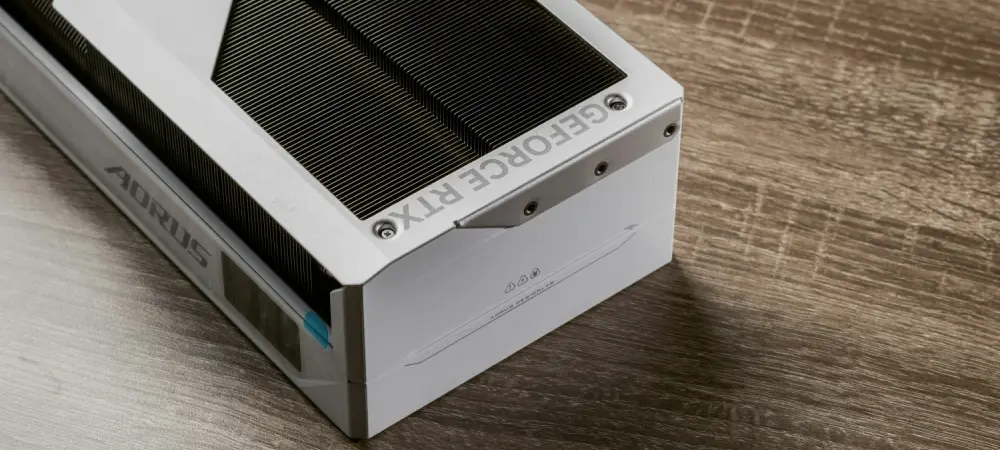
The tech world is abuzz as NVIDIA’s imminent release of the GeForce RTX 5050 8 GB GPU edges closer, with the launch date advanced to July 1. This earlier launch has stirred debate, especially since no Authorized Board (AIB) partners are expected to have products ready for immediate market rollout, likely resulting in a paper launch. The community anticipates full-scale availability not before the middle or end of July. Analysts predict that this strategic decision will affect NVIDIA’s standing amid its competitors, mainly because of competition from Intel’s Arc GPU series, putting the RTX 5050 under the microscope. Positioned in the entry-level sector, this new addition falls within a crucial price range aimed at budget-conscious consumers. The RTX 5050 emerges with the Blackwell GB207 GPU architecture, boasting an impressive internal structure of 2560 cores, a parallel with its predecessor, the RTX 3050. However, the promise lies in its expected performance boost, made possible by advancements in architecture and design.
Anticipated Specifications and Market Position
The GeForce RTX 5050 promises an engaging mix of performance and price, directly competing with Intel’s Arc B580 and B570 series, priced at $219 and $249 respectively. NVIDIA’s introductory pricing is anticipated between $199 and $249, making a significant mark in the entry-level segment. The card’s specs include 8 GB of GDDR6 VRAM, operational on a 128-bit bus, with a considerable improvement in memory speed to 20 Gbps compared to the previous RTX 3050’s 14 Gbps. This results in a pronounced bandwidth enhancement, going up to 320 GB/s, a 43% improvement over its predecessor. Such improvements set clear expectations about the card’s capacity to deliver improved rendering and processing tasks. While a Founders Edition model is not part of the initial rollout, the upcoming custom variants from AIB partners are expected to feature a 5-phase VRM design. By eschewing redundancy in its latest lineup, NVIDIA is poised to address diverse consumer needs without overlapping offerings, thus streamlining its product range strategically.
Competitive Analysis and Strategic Planning
This launch reflects NVIDIA’s pressing need to effectively strategize in a fiercely competitive entry-level GPU market. Intel’s Arc B580 and B570 present formidable alternatives, both in pricing and technical prowess, necessitating NVIDIA’s focus on carving a distinctive place with the RTX 5050. The card’s TDP is tentatively set at 100W, offering a more sustainable power option than the RTX 3050’s 130W, suggesting a focus on balancing power and performance needs. To stay competitive, NVIDIA banks on the Blackwell architecture to deliver the kind of advancement that can sway budget-conscious gamers and tech enthusiasts. By pacing hardware innovations with architectural improvements, NVIDIA aims to cause a shift in user purchasing decisions, just as much as it does through its aggressive pricing strategy. The enhanced bandwidth and speed substantiate the company’s commitment to providing an uplift in user experiences, which should appeal to those evaluating the next generation, particularly for gaming and high-demand computing tasks.
Future Considerations and Implications
The tech community eagerly anticipates NVIDIA’s upcoming release of the GeForce RTX 5050 8 GB GPU, with the launch date moved up to July 1. This earlier-than-expected launch has sparked discussion, especially given that no Authorized Board (AIB) partners are anticipated to have products ready for immediate sale. This situation will likely lead to a paper launch, with widespread availability not expected until mid-to-late July. Analysts suggest this move could alter NVIDIA’s market position, especially amid competition from Intel’s Arc GPU series, casting a spotlight on the new RTX 5050. Designed for the entry-level market, it targets budget-conscious consumers by offering attractive pricing. This new GPU employs the Blackwell GB207 architecture and includes 2560 cores, similar to its predecessor, the RTX 3050. The key, however, lies in the expected performance improvements, driven by enhanced architectural features and design advancements, which promise to deliver more power and efficiency.