

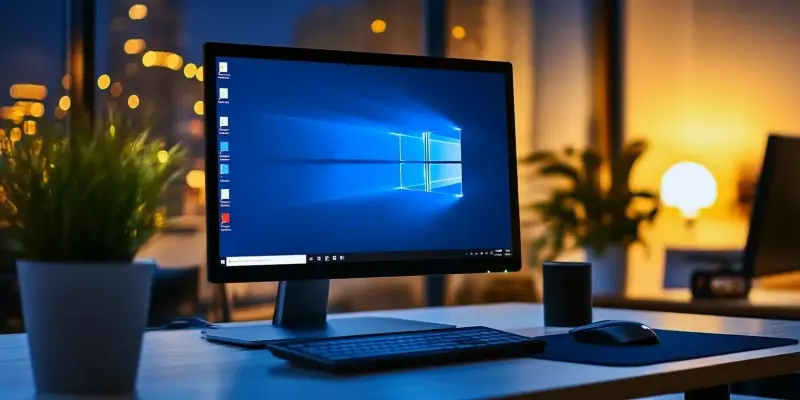
The introduction of Microsoft’s Cloud PC, specifically the Windows 365 Link, marks a significant evolution in remote work technology.Accompanying this is the replacement of the Remote Desktop app for Android with a new Windows App that spans all operating systems. The old Remote Desktop app has reached its end-of-life, signaling a transition that promises greater functionality, security, and user experience.This step forward aims to create a seamless and more integrated virtual desktop solution, raising the question of whether this new app is indeed the future of remote work.
Modernized Virtual Workspaces
The Windows App serves as a comprehensive hub for various Microsoft virtualization solutions, consolidating Remote Desktop, Windows 365, Azure Virtual Desktop, and Microsoft Dev Box into one application. This unified approach dramatically improves upon the older app by offering a single, streamlined interface.Enhanced functionalities include a modernized user interface, superior user experience, and support for Chrome OS on the Android version. This means that users can easily switch between different virtual environments without the need for multiple applications, which is particularly beneficial for businesses looking to streamline processes and reduce complexity.
The app also introduces advanced security features, including support for passkeys, which offer modernized authentication measures.This ensures that users’ data remains secure, addressing a critical concern in today’s digital landscape. However, some users have expressed confusion over the new name “Windows App,” finding it less intuitive than “Remote Desktop App.” Despite this, the improvements in functionality and security are significant advancements that benefit remote workers by providing a more efficient and secure experience.
Enhanced User Experience and Accessibility
One of the standout features of the Windows App is its ability to automatically adjust display resolutions when users switch devices. This functionality is especially useful for remote workers who frequently move between different types of hardware, such as desktops, tablets, and smartphones.The adaptability of the display ensures that the user experience remains consistent and high-quality, regardless of the device being used. This not only enhances productivity but also makes remote work more convenient and accessible.
Additionally, Microsoft’s goal of streamlining cloud PC provisioning within companies is embodied by the Windows 365 Link mini-PC. This device operates with a minimal operating system, connecting users directly to their cloud-based workspaces via the Windows App.This setup requires only basic hardware—a mini-PC, monitor, keyboard, mouse, and internet connection—ensuring that employees can access their work environments from anywhere without storing data locally. Such an approach further emphasizes the shift towards cloud-centric operations, highlighting the importance of flexibility and accessibility in the modern workplace.
A Cloud-Centric Future
The debut of Microsoft’s Cloud PC, notably the Windows 365 Link, signifies a major leap in remote work technology. This innovation includes the phase-out of the Remote Desktop app for Android and its replacement with a new, unified Windows App compatible across all operating systems. The legacy Remote Desktop app has reached the end of its support lifecycle, indicating a shift towards enhanced functionality, security, and user experience. By integrating this advanced virtual desktop solution, Microsoft aims to create a more seamless and cohesive environment for remote work.The question arises of whether this new app will indeed become the cornerstone of remote work technology. Its broader compatibility and improved features suggest it is well-positioned to meet the evolving needs of today’s remote workforce, bridging gaps and possibly setting a new standard in the industry. This move reflects Microsoft’s commitment to innovation and efficiency in an increasingly digital work landscape, making it a pivotal moment in how we approach remote work.