

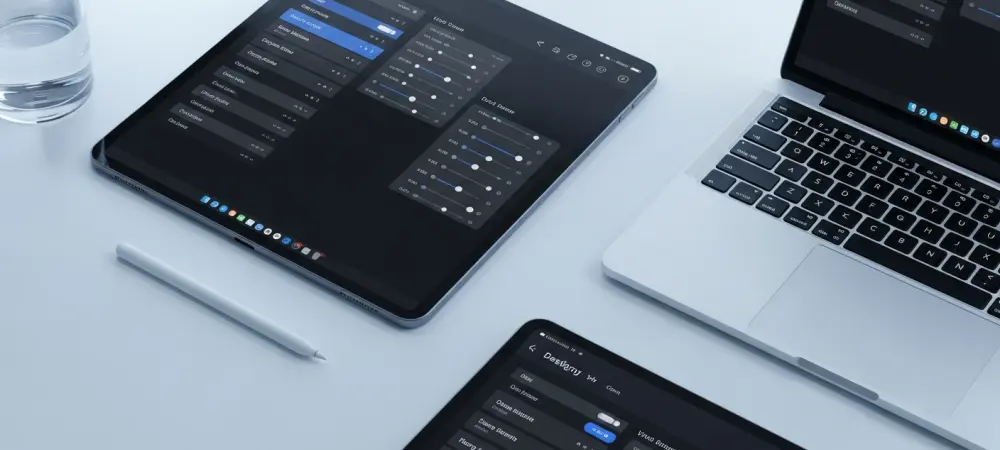
The persistent friction caused by fragmented interface elements in desktop operating systems has long served as a primary source of frustration for power users and casual consumers alike. While Windows 11 initially introduced a modernized aesthetic, the presence of legacy menus and inconsistent design languages created a disjointed experience that hindered professional adoption. Microsoft has recently shifted its strategic focus away from introducing experimental features toward a rigorous phase of design craft. This transition, led by partner director of design March Rogers, emphasizes the refinement of existing components to achieve a level of visual harmony previously missing from the platform. By prioritizing the professionalization of the interface, the development team aims to eliminate the jarring transitions between modern WinUI 3 elements and the older administrative tools that have lingered for years. This commitment to consistency marks a significant evolution in how the operating system is maintained and perceived in a competitive market.
Precision Engineering: The Focus on Incremental Improvements
The specific updates currently rolling out through the late spring cycle demonstrate a meticulous approach to correcting long-standing visual inconsistencies within the system. Redesigned Settings pages now offer enhanced visual clarity, ensuring that complex configuration tasks are more intuitive for the average user. A major highlight of this refinement process is the long-awaited update to account dialog boxes, which finally support a comprehensive dark mode that aligns with the rest of the system theme. Furthermore, the design team has focused on streamlining specialized areas, such as the pen settings and digital ink controls, to provide a more cohesive experience for tablet users. Functionality is also being woven into the interface more naturally, evidenced by the expanded Narrator support for Copilot and the integration of voice typing within the File Explorer renaming workflow. These changes suggest that the smallest details are now receiving the same level of attention as major structural updates.
Strategic Optimization: Lessons for the Future Digital Workspace
The transition toward a more cohesive interface signaled a critical maturation point for the ecosystem as it moved beyond the rapid experimentation of previous development years. Users who prioritized workflow stability found that these incremental aesthetic refinements reduced cognitive load during intensive multitasking sessions. The industry observed that Microsoft successfully addressed the fragmentation issues that had historically plagued the Windows platform by prioritizing visual stability over flashy structural overhauls. Stakeholders and IT administrators were encouraged to verify their custom enterprise themes against these new visual standards to ensure total brand consistency. Future development cycles necessitated a continued focus on legacy component modernization to prevent the recurrence of technical design debt. By adopting a quality-first mentality, the design team established a clear blueprint for how modern operating systems should evolve through iterative perfection rather than through constant disruption.