

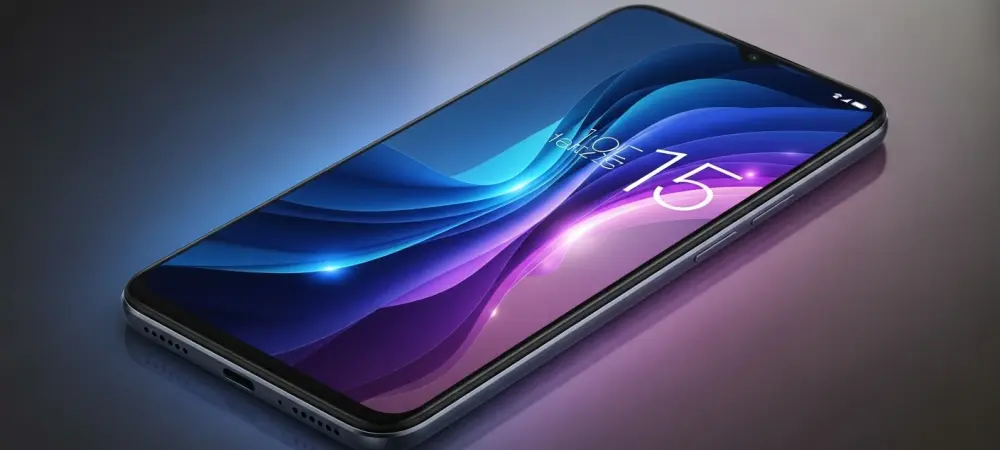
The Indian smartphone landscape is undergoing a significant transformation where entry-level consumers no longer settle for outdated hardware or lagging software. The recent debut of the Lava Bold N2 Pro at a sharp price point of Rs. 7,999 marks a strategic attempt by an Indian brand to redefine the “value-for-money” segment. By focusing on software longevity and display fluidity, this device aims to bridge the gap between basic functionality and a premium user experience. This exploration will determine if the Bold N2 Pro’s unique combination of Android 15 and high-end screen technology truly makes it the reigning champion of the sub-Rs. 8,000 category.
The Shift in Budget Mobile Expectations for the Indian Market
Industry analysts have noted that the modern consumer in India is increasingly tech-savvy, shifting their focus from mere price to overall longevity. While the segment under Rs. 8,000 was once dominated by phones with stagnant operating systems, the introduction of the Bold N2 Pro signals a change toward more sustainable mobile ownership. By offering modern aesthetics in Aurora Gold and Eclipse Grey, Lava is appealing to a demographic that wants their device to look as good as it performs.
Moreover, the competitive nature of the Indian market means that brands can no longer rely on brand loyalty alone. Users are comparing spec sheets more rigorously than ever before. Many reviews highlight that for a device to succeed today, it must offer a clear path for future utility. The Bold N2 Pro enters this arena not just as a temporary solution, but as a hardware commitment to the budget-conscious shopper who values long-term relevance.
Breaking Down the Value Proposition of the Bold N2 Pro
Software Superiority: The Android 15 Advantage
Launching a budget handset with the latest operating system is a rarity, yet the Bold N2 Pro ships with Android 15 right out of the box. This move, coupled with a guaranteed roadmap for Android 16 and two years of security updates, provides a level of future-proofing that is almost non-existent in the entry-level tier. Tech experts argue that this software commitment is the phone’s strongest selling point, as it ensures the device remains compatible with the latest applications for several years.
While many competitors remain stuck on older iterations or offer no clear update path, Lava’s commitment to a long-term software lifecycle addresses a major pain point. For users who cannot afford to upgrade their phones every year, having a modern OS means better security and access to new features. This strategy effectively elevates the Bold N2 Pro above rivals that often neglect software maintenance once a budget device leaves the factory.
Redefining Visual Fluidity: A 120Hz Refresh Rate
A standout feature that disrupts market norms is the inclusion of a 120Hz refresh rate on a 6.75-inch HD+ LCD panel. Traditionally, phones in this price bracket are limited to 60Hz or 90Hz, which can result in a choppy user interface experience. By integrating a high refresh rate usually reserved for mid-range devices, Lava offers a level of scrolling and navigational smoothness that significantly enhances the perceived speed of the phone.
However, the trade-off remains the HD+ resolution, which may face scrutiny from users seeking higher pixel density for media consumption. Critics have pointed out that while the motion is fluid, the sharpness of the display might not match that of slightly more expensive Full HD panels. Despite this, for daily social media browsing and system navigation, the 120Hz refresh rate provides a tangible improvement in the “feel” of the device that is hard to ignore at this price point.
Balancing Processing Power: Virtual Memory Solutions
Under the hood, the octa-core Unisoc T7250 chipset handles the heavy lifting, supported by 4GB of physical RAM. To prevent bottlenecks during heavy multitasking, the device employs virtual RAM technology, borrowing an additional 4GB from the 128GB internal storage. This hybrid approach allows the phone to manage more background applications simultaneously, which is crucial for users who jump between messaging, streaming, and light gaming.
Industry observers suggest that while the Unisoc T7250 is capable, the virtual RAM is a necessary supplement rather than a complete replacement for physical hardware. It raises questions about how the hardware will sustain performance as apps become more resource-intensive over the next few years. Nevertheless, providing 128GB of storage at this price allows ample room for this memory expansion while still leaving plenty of space for photos and videos.
Build Quality: Everyday Resilience in the Entry-Level Tier
The Bold N2 Pro does not just focus on internal specs; it also prioritizes physical longevity through an IP54 rating for dust and splash resistance. In a segment where durability is often overlooked, this certification provides essential peace of mind against the hazards of daily use, such as light rain or dusty environments. It suggests a shift toward more robust manufacturing standards even for the most affordable devices in a brand’s lineup. Furthermore, the 5,000mAh battery paired with 18W Type-C charging ensures that the device can keep up with a full day of usage. Even when pushing the high-refresh-rate screen to its limits, the battery capacity is designed to prevent frequent trips to the outlet. This focus on reliability—combining a large battery with physical protection—makes the device a practical tool for commuters and students who are often away from charging ports for long periods.
How to Maximize the Utility of a Budget-Focused Smartphone
To get the most out of the Lava Bold N2 Pro, users should lean into its strengths while managing its hardware limitations. Activating the virtual RAM expansion immediately upon setup was a recommended best practice for maintaining system responsiveness. Additionally, for those prioritizing battery life, toggling between refresh rate modes depending on the task could extend the 5,000mAh capacity even further, especially during long travel days.
Leveraging the clean Android 15 interface by minimizing unnecessary background processes also ensured that the Unisoc chipset remained snappy for daily communication and social media tasks. Users found that keeping the internal storage below 80% capacity helped maintain the speed of the virtual RAM swap file. By treating the hardware with these optimizations, the device proved to be a surprisingly capable daily driver for the majority of standard mobile tasks.
Final Verdict: Lava’s Play for the Entry-Level Crown
The Lava Bold N2 Pro successfully carved out a niche by offering features that were previously deemed impossible at the Rs. 7,999 price point. While it lacked 5G connectivity, it compensated with the latest software and a display experience that punched well above its weight class. For users who valued a smooth interface and the security of a modern OS over ultra-fast cellular speeds, this device stood as a formidable contender.
Prospective buyers should now consider if their local network infrastructure necessitates 5G, or if the refined 4G experience of the Bold N2 Pro is sufficient for their needs. Future developments in this segment will likely see more brands following Lava’s lead in prioritizing software updates. Exploring secondary market trade-ins or official warranty extensions could further enhance the value of this purchase, ensuring the phone remains a viable tool as Android 16 eventually rolls out.