

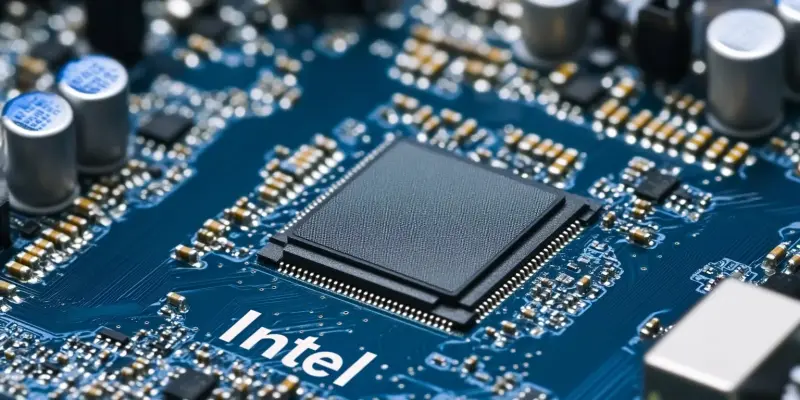
Amidst swirling rumors and speculation about potential setbacks and production delays, Intel has recently addressed concerns regarding the development and launch timelines of its Panther Lake and 18A technology. During the Morgan Stanley conference, Intel’s Corporate Vice President of Investor Relations, John Pitzer, offered insights that painted a promising picture for these crucial advancements. By dispelling fears and presenting robust data points, Pitzer ensured industry observers and investors alike that Intel remains on course with its ambitious plans.
Panther Lake’s Development Timeline
Panther Lake On Track for Second Half Launch
John Pitzer affirmed during his address that Intel’s Panther Lake System on Chips (SoCs) is firmly on schedule for a launch in the second half of this year, directly contradicting the circulating rumors of potential delays. This announcement represents a crucial milestone for Intel as Panther Lake’s success is pivotal for the company’s future semiconductor ventures. Pitzer confidently noted that the yield rates for Panther Lake are significantly superior to those achieved by Meteor Lake at the corresponding stage in production, a promising signifier that the transition to mass production will be smooth and efficient.
The implications of Panther Lake’s progress cannot be overstated. It is set to be the first in-house product to utilize Intel’s cutting-edge 18A process, a critical innovation designed to underpin the next generation of Intel Foundry Services (IFS). Ensuring that the SoCs are on track underscores Intel’s strong commitment to pushing technological boundaries and maintaining competitive parity in the semiconductor space. With consumer products slated for market release next year, Panther Lake’s development stands as a testament to Intel’s engineering capabilities and strategic foresight.
Peak Production Projections
As outlined by Pitzer, Intel projects that peak volume production for Panther Lake will occur in 2026, aligning with historical product timelines seen with Lunar Lake and Meteor Lake. Such projections provide a clear roadmap for Intel’s strategic rollouts, as the company maintains a cautious yet optimistic approach toward eventual market penetration. The importance of Panther Lake’s timely and successful launch cannot be understated as it will set the stage for Intel’s broader market strategies and reaffirm its competitive positioning against other industry heavyweights.
Panther Lake’s projected trajectory mirrors previous Intel releases, suggesting a consistency in their production timeline and an iterative improvement in their yield efficiency. Intel’s ability to ensure a smooth rollout of Panther Lake will be critical not only for immediate market deployment but also for sustaining long-term investor confidence in the company’s forward-looking statements and capabilities.
Progress of 18A Technology
Achieving SRAM Density Milestones
Intel’s advancements with the 18A process, designed as a competitor to TSMC’s N2 class products, herald notable achievements, particularly in terms of SRAM density figures. These figures are a significant indicator of the robustness and readiness of Intel’s 18A technology for full-scale production. By highlighting these milestones, Pitzer emphasized the tangible progress being made behind the scenes, offering a counter-narrative to the circulating rumors regarding production issues and setbacks.
Intel’s capacity to deliver impressive SRAM densities at this stage underscores the efficacy of their developmental approach and positions the 18A process as a formidable contender within the semiconductor landscape. The expected shipment of customer samples in the second half of this year further cements Intel’s readiness to enter mass production. Such forward momentum underscores the company’s commitment to advancing semiconductor technology and maintaining innovation leadership amidst intense industry competition.
Bridging Development to Market Entry
The 18A process’s progression from developmental labs to market-ready prototypes signals a meticulously crafted pathway that Intel is following to ensure timely deliveries and robust market entry strategies. As Pitzer indicated, stringent internal milestones and rigorous testing procedures are in place to preemptively address potential production hurdles, thereby ensuring that the 18A technology is poised to meet and exceed industry standards upon launch. This transition is pivotal for reinforcing Intel’s foundry services, which hinge significantly on the seamless deployment and operational efficiency of the 18A technology.
By dispelling rumors of delays and asserting the alignment of timelines for both Panther Lake and the 18A processes, Intel’s clear communication signals confidence rooted in concrete progress. Pitzer’s reassurances reiterate the importance of these advancements not only for Intel’s immediate product launches but also for sustaining its competitive edge in a rapidly evolving semiconductor marketplace. Looking toward the future, Intel’s commitment to hitting these precise developmental milestones suggests robust internal processes and a strategic vision designed to propel the company forward.
Looking Ahead
Ensuring Competitive Edge
Intel’s commitment to Panther Lake and 18A technology development is pivotal for maintaining its competitive edge in the semiconductor industry. The smooth advancements and superior yield rates reflect a well-structured and finely executed strategy. As Intel prepares to launch these technologies, its success will likely set the stage for further innovations and strengthen its position against competitors like TSMC. Intel’s strategic roadmap, coupled with real-time achievements, demonstrates a strong, forward-thinking approach to semiconductor manufacturing and foundry services.
Future Innovations and Market Strategy
Amid rumors and speculation about potential setbacks and production delays, Intel has recently addressed concerns regarding the development and launch timelines of its Panther Lake and 18A technology. During the Morgan Stanley conference, John Pitzer, Intel’s Corporate Vice President of Investor Relations, discussed these issues in detail, painting a promising picture for these crucial advancements. Pitzer emphasized that despite the swirling rumors, Intel is progressing well on its technological roadmaps. By dispelling fears and presenting robust data points, Pitzer reassured industry observers and investors alike that Intel remains on course with its ambitious plans. He provided specific milestones and reassured everyone that internal assessments are positive, suggesting that both Panther Lake and the 18A technology are advancing as expected. This strategic communication was crucial in ensuring that Intel’s commitment to innovation and timely delivery remains evident, bolstering confidence among stakeholders in the company’s future prospects.