
Is Huawei’s New Chip Facility a Game-Changer for AI?

Article Highlights
Off On

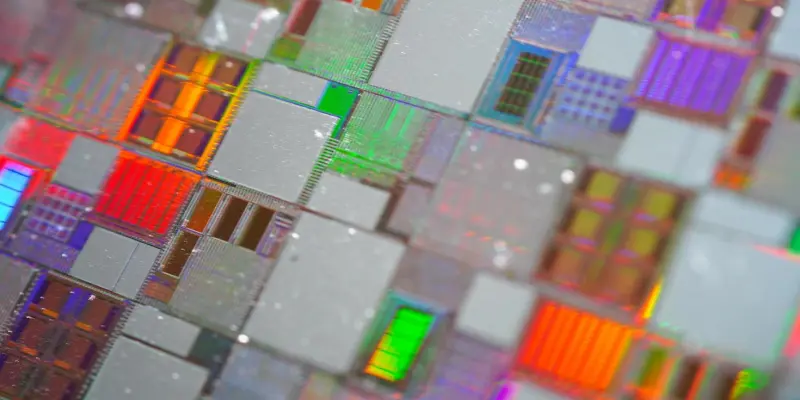
Amid rapid advancements in technology, Huawei’s decision to construct a “mega chip facility” in Shenzhen is garnering significant attention. This marks Huawei’s strategic pivot as it transitions from a primarily mobile-centric company to a robust entity in the artificial intelligence sector. The facility is pivotal in producing the company’s high-demand Kirin and Ascend AI chips. These chips are crucial for the advancement of AI capabilities, enabling Huawei to compete with industry stalwarts such as NVIDIA. This initiative reflects Huawei’s ambition to solidify its place in the upper echelons of the semiconductor industry. Through this facility, Huawei aims to alleviate the current production bottleneck it faces, particularly concerning the production of larger 7nm chips. This development is crucial as Huawei looks to address soaring demands in the market.

Moving Towards Vertical Integration

Huawei’s new facility isn’t merely a boost to their manufacturing capabilities; it signifies a broader strategic goal. By advancing this establishment, Huawei emphasizes a commitment to a vertically integrated AI supply chain, aiming for resilience and independence amid global tech tensions. The site’s proximity to Chinese foundries facilitates quicker sourcing and collaboration within Huawei’s supply network, enhancing efficiency. Although not directly involved in daily operations, Huawei entrusts companies like SiCarrier and SwaySure to manage tasks while Huawei focuses on strategic funding and oversight. This enables Huawei to sidestep operational risks while ensuring strategic goals are pursued. Recognizing the project’s national importance, the local government supports Huawei, aligning its initiatives with China’s semiconductor ambitions. This alliance is vital given SMIC’s challenges in meeting industry demands. Launching next year, this facility will be pivotal for Huawei’s sustainable chip technology aspirations, reinforcing both Huawei’s and China’s place in the global tech arena.

Explore more

A Beginner’s Guide to Data Engineering and DataOps for 2026

While the public often celebrates the triumphs of artificial intelligence and predictive modeling, these high-level insights depend entirely on a hidden, gargantuan plumbing system that keeps data flowing, clean, and accessible. In the current landscape, the realization has settled across the corporate world that a data scientist without a data engineer is like a master chef in a kitchen with

Ethereum Adopts ERC-7730 to Replace Risky Blind Signing

For years, the experience of interacting with decentralized applications on the Ethereum blockchain has been fraught with a precarious and dangerous uncertainty known as blind signing. Every time a user attempted to swap tokens or provide liquidity, their hardware or software wallet would present them with a wall of incomprehensible hexadecimal code, essentially asking them to authorize a financial transaction

Germany Funds KDE to Boost Linux as Windows Alternative

The decision by the German government to allocate a 1.3 million euro grant to the KDE community marks a definitive shift in how European nations view the long-standing dominance of proprietary operating systems like Windows and macOS. This financial injection, facilitated by the Sovereign Tech Fund, serves as a high-stakes investment in the concept of digital sovereignty, aiming to provide

Why Is This $20 Windows 11 Pro and Training Bundle a Steal?

Navigating the complexities of modern computing requires more than just high-end hardware; it demands an operating system that integrates seamlessly with artificial intelligence while providing robust security for sensitive personal and professional data. As of 2026, many users still find themselves tethered to aging software environments that struggle to keep pace with the rapid advancements in cloud computing and data

Notion Launches Developer Platform for AI Agent Management

The modern enterprise currently grapples with an overwhelming explosion of disconnected software tools that fragment critical information and stall meaningful productivity across entire departments. While the shift toward artificial intelligence promised to streamline these disparate workflows, the reality has often resulted in a chaotic landscape where specialized agents lack the necessary context to perform high-stakes tasks autonomously. Organizations frequently find