

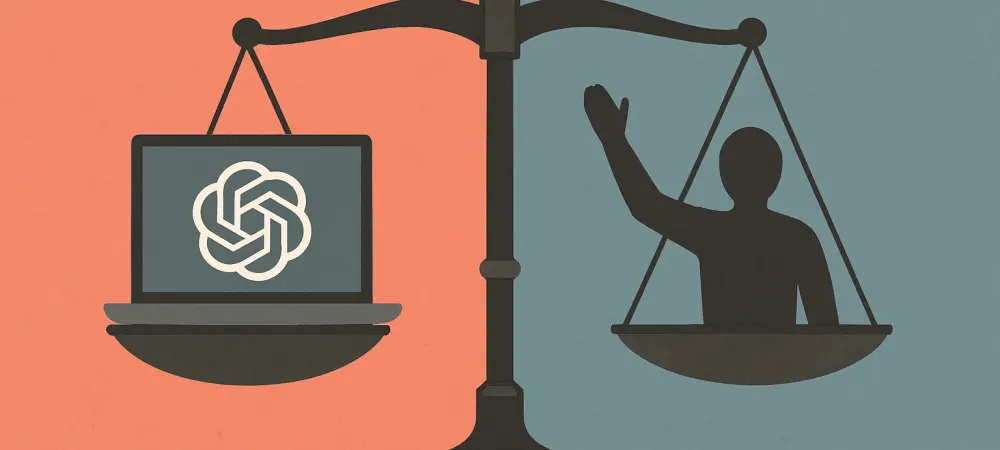
What if a tool as powerful as ChatGPT Plus, capable of drafting professional reports, sparking creative ideas, and even influencing opinions, became available to every single person at no cost? This isn’t just a thought experiment but a real debate that has captured global attention. With artificial intelligence reshaping how society functions, the question of universal access to such advanced tools strikes at the heart of equity, ethics, and safety. This discussion isn’t merely about technology—it’s about the kind of world being built for future generations.
Why Universal Access to AI Matters in Today’s World
Artificial intelligence has evolved from a novelty to an essential part of daily life, much like smartphones or the internet. Students rely on AI to break down complex texts, while professionals use it to streamline tasks like creating presentations. Yet, premium versions of tools like ChatGPT often come with a subscription fee, creating a barrier for those unable to pay. This disparity risks deepening the digital divide into a stark inequality of opportunity, where only the affluent can harness cutting-edge technology.
The notion of governments or corporations stepping in to provide free access, however, introduces a new layer of complexity. While it could level the playing field, it also raises questions about who controls the technology and how it shapes societal values. The urgency of this issue lies in AI’s growing indispensability—ignoring it could mean allowing a new form of exclusion to take root.
Weighing the Pros and Cons of Free AI for Everyone
On one side of the debate, universal access to ChatGPT Plus could be a transformative force for fairness. Imagine a low-income student gaining the same AI-driven research tools as a high-powered executive. Research indicates that AI can enhance productivity by up to 40% in tasks like summarizing documents or drafting content, offering a tangible way to bridge socioeconomic gaps.
Conversely, the risks are substantial and cannot be overlooked. Free access might foster over-reliance, with users accepting AI outputs as undeniable truth despite known issues like “hallucinations”—instances where AI generates false information. A civil servant drafting a policy brief with AI, for example, could embed errors into critical decisions, with far-reaching consequences.
Another concern is the potential for AI to amplify misinformation on a massive scale. If malicious actors exploit free tools to spread fabricated narratives, the impact on public trust could be devastating. Additionally, AI systems carry inherent biases from their training data, and widespread access backed by government endorsement might unintentionally promote a single corporate perspective over diverse viewpoints.
Voices from the Field: Expert Opinions on AI Access
AI ethicist James Wilson has offered a compelling take on this dilemma, cautioning that free access could resemble a “drug dealer’s strategy”—enticing users with no upfront cost only to introduce dependencies or hidden fees later. While recognizing the value of AI as a “thought partner” for brainstorming or refining ideas, Wilson stresses the danger of eroding critical thinking if users lean too heavily on such tools.
Furthermore, Wilson highlights geopolitical risks tied to subsidizing proprietary AI systems. Handing over public knowledge infrastructure to private entities could have lasting cultural implications, especially if these tools subtly shape narratives or historical understanding. His perspective reflects a broader expert consensus: while democratizing AI holds promise, it demands strict oversight to prevent unintended harm.
These expert insights underscore the need for a measured approach. The potential benefits of universal access must be weighed against the very real possibility of societal distortion, ensuring that enthusiasm for progress doesn’t overshadow caution.
Real-World Implications of Unchecked AI Access
Consider the case of AI models like Deepseek, which have been documented denying well-established historical events. If such tools are made freely available without safeguards, they risk rewriting collective memory or nudging societal behavior in problematic ways. This isn’t a hypothetical—bias in AI can influence everything from individual opinions to public policy when scaled across millions of users.
Beyond bias, there’s the issue of dependency in professional settings. A recent study found that 60% of workers using AI tools for content creation rarely fact-check the results, a trend that could lead to cascading errors in industries like journalism or governance. Universal access, while equitable in theory, might exacerbate these vulnerabilities if not paired with education on responsible use.
The cultural stakes are equally high. If a government subsidizes a specific AI tool, it risks endorsing a singular worldview, potentially sidelining diverse perspectives. This dynamic sets AI apart from previous tech debates, as its ability to not just deliver but also shape information introduces unique challenges to public discourse.
Charting a Path Forward: Strategies for Responsible AI Access
To balance the benefits and risks of free ChatGPT access, actionable steps must be prioritized. First, digital literacy programs should accompany any rollout of free AI tools, equipping users to critically evaluate outputs and identify flaws like misinformation or bias. Knowledge is the first line of defense against over-reliance. Transparency from AI providers is also essential. Companies must openly disclose the limitations and biases of their models, ensuring users understand the imperfections they’re engaging with. Alongside this, supporting open-source AI or publicly funded alternatives can prevent dependency on a single corporate entity, fostering a landscape where technology serves the public good.
Finally, clear boundaries on usage should be established, particularly in sensitive areas like policymaking, where human oversight remains non-negotiable. These measures aren’t just safeguards—they’re a blueprint for ensuring universal AI access empowers rather than endangers. The success of such initiatives hinges on how diligently society commits to them.
Reflecting on the Road Traveled
Looking back, the debate over universal access to tools like ChatGPT revealed a profound tension between equity and risk. It exposed how deeply AI has woven itself into the fabric of daily life, while also highlighting the pitfalls of unchecked adoption. Discussions with experts and analyses of real-world cases painted a picture of both immense potential and significant danger.
The path ahead demands more than good intentions—it requires concrete action. Policymakers, technologists, and educators need to collaborate on frameworks that pair access with accountability. By investing in digital literacy, transparency, and diverse AI development, society can navigate this complex terrain, ensuring that the promise of AI doesn’t come at the cost of autonomy or truth.