
Is Floyd County Set to Become Georgia’s Next Data Center Hub?

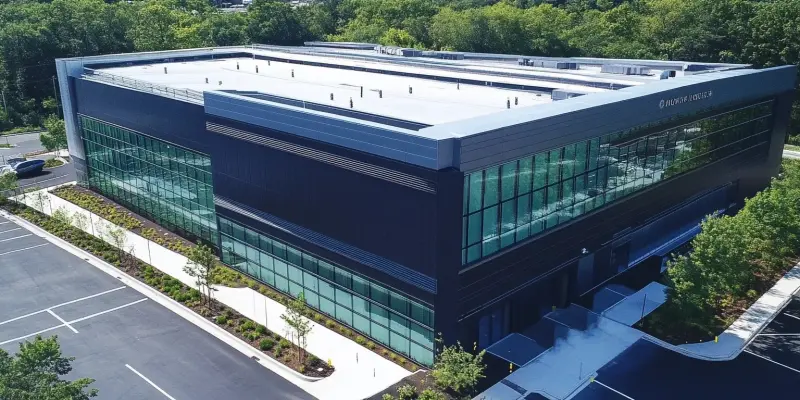
A new data center planned on a 114-acre site beside Coosa High School in Floyd County, Rome, Georgia, is signaling the county’s potential rise as a significant player in the state’s digital infrastructure landscape. The Floyd County Board of Education recently approved the sale of this prime piece of land through the county development authority. This marks the second data center project initiative in the area, with the strong likelihood of more to come in the future. Although specific details regarding the project remain undisclosed and the involved company unnamed, the buyer is identified as the living trust of William Darryl Edwards, represented by developers Darryl Edwards, Darren Hardin, and Jonathan Ward.

This latest development comes on the heels of Microsoft’s significant investment in the county, having acquired 347 acres near Huffaker Road for a whopping $1 billion data center project. This initiative places a considerable amount of property and school taxes into the local economy. Rome, located in the northeast part of Georgia, lies close to Alabama and approximately 70 miles away from Atlanta, the state’s primary data center hub. In Atlanta, numerous tech giants, including Digital Realty, CoreSite, Switch, Google, Microsoft, Flexential, and H5, are actively developing large-scale data centers, especially in areas like Lithia Springs and Douglasville.

Additionally, QTS is constructing a massive 1.4GW data center campus in Fayetteville, underscoring the escalating trend of significant investments in data center infrastructure across Georgia. Microsoft’s announcement in 2021 to establish a cloud region identified as East US 3 in Georgia further exemplifies this trend. These ongoing developments highlight a robust pattern of technology companies expanding their data center footprints throughout the state, suggesting that Floyd County could very well be on its way to becoming the next data center hub in Georgia.

Explore more

Mimesis Data Anonymization – Review

The relentless acceleration of data-driven decision-making has forced a critical confrontation between the demand for high-fidelity information and the absolute necessity of individual privacy. Within this friction point, Mimesis has emerged as a specialized open-source framework designed to bridge the gap between usability and compliance. Unlike traditional masking tools that merely obscure existing values, this library utilizes a provider-based architecture

The Future of Data Engineering: Key Trends and Challenges for 2026

The contemporary digital landscape has fundamentally rewritten the operational handbook for data professionals, shifting the focus from peripheral maintenance to the very core of organizational survival and innovation. Data engineering has underwent a radical transformation, maturing from a traditional back-end support function into a central pillar of corporate strategy and technological progress. In the current environment, the landscape is defined

Trend Analysis: Immersive E-commerce Solutions

The tactile world of home decor is undergoing a profound metamorphosis as high-definition digital interfaces replace the traditional showroom experience with startling precision. This shift signifies more than a mere move to online sales; it represents a fundamental merging of artisanal craftsmanship with the immediate accessibility of the digital age. By analyzing recent market shifts and the technological overhaul at

Trend Analysis: AI-Native 6G Network Innovation

The global telecommunications landscape is currently undergoing a radical metamorphosis as the industry pivots from the raw throughput of 5G toward the cognitive depth of an intelligent 6G fabric. This transition represents a departure from viewing connectivity as a mere utility, moving instead toward a sophisticated paradigm where the network itself acts as a sentient product. As the digital economy

Data Science Jobs Set to Surge as AI Redefines the Field

The contemporary labor market is witnessing a remarkable transformation as data science professionals secure their positions as the primary architects of the modern digital economy while commanding significant wage increases. Recent payroll analysis reveals that the median age within this specialized field sits at thirty-nine years, contrasting with the broader national workforce median of forty-two. This demographic reality indicates a