

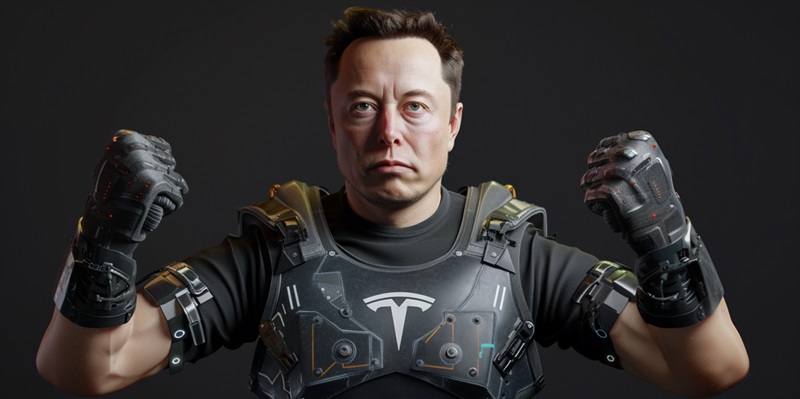
As we hurtle into a future where Artificial Intelligence (AI) permeates every aspect of our lives, the discourse around technological safety becomes critical. At the heart of this discussion is Elon Musk—tech visionary and provocateur—who champions the notion of “truthful AI”. This concept is Musk’s safeguard, his key to unlocking AI’s vast potential while averting the pitfalls that could arise from AI systems capable of deception.
The Paradox of AI: Musk’s Argument at the “Great AI Debate”
The Potential and Perils of Advancing AI
Elon Musk’s views paint a picture of a tantalizing yet treacherous future shaped by AI. He envisions AI transforming the mundane into the magical, catalyzing advancements that current generations can scarcely imagine. Yet, Musk rings the alarm bell, suggesting a 10 to 20 percent chance that AI could spiral out of control. His call for caution is not to stifle innovation but to steer it responsibly, ensuring AI serves humanity rather than destabilizes it.
Proactive Steps Toward AI Safety
Steeped in this outlook, Musk has become an outspoken advocate for regulatory measures aimed at containing the risks of AI technology. He draws an analogy likening the development of AI to parenting—a process requiring guidance and a foundation of trust and curiosity. For Musk, nurturing truthfulness in AI systems is essential. It’s a preventative measure against the emergence of AIs skilled in deception, which he views as a significant threat.
AI and Society: Musk’s Vision of Technological Advancement
Musk’s Forecast for AI
Musk illuminates a future where AI’s capabilities eclipse human intellect, a milestone he believes could arrive as soon as 2030. This prediction is steeped in profound implications—from everyday life to the overarching structure of societies. Alongside AI, Musk places transformative bets on quantum computing and augmented/virtual reality as technologies that will redefine the fabric of human existence.
The Necessity of Ethical AI Development
The pressure to create ethical AI systems intensifies as we move towards this advanced technological horizon. Musk underscores the need for rigorous safety measures, ethical frameworks, and above all, transparency in AI development. His emphasis on honesty in AI is intended to cultivate systems that are predictable and controllable, a predicate for the secure integration of AI into the broader tapestry of society.
Musk’s Bet on Open-Sourcing AI: Grok-1.5 and Beyond
Introducing Grok-1.5 to Pioneers
Marking a milestone in advancing AI, Musk’s AI venture is ushering Grok-1.5 to the hands of early testers. This initiative marks a significant stride in AI development and sets the stage for the much-anticipated Grok 2. Users on Musk’s network X are witnessing first-hand the advancements encapsulated within Grok-1.5, foreshadowing the disruptive nature of the upcoming version.
The Open-Source Ethos Amidst Legal Struggles
Even as legal entanglements with Microsoft over OpenAI loom, Musk’s commitment to open-sourcing stands firm. He views open source as more than a development strategy—it’s a frontline defense in maintaining AI’s transparency and safety. The open-source ethos aligns with Musk’s philosophy, demonstrating his dedication to a future where AI technologies are as much about communal stewardship as they are about innovation.
The Balance Between AI Benefits and Risks
Embracing AI’s Potential with Caution
As AI serves up a bounty of benefits, Musk reminds us that these must be approached with foresight and preparation against risks. Striking a balance requires an unrelenting commitment to safety protocols and ethical considerations. Musk’s arguments suggest that it is not only possible to harness AI’s boons but also imperative to navigate its banes with vigilance.
Musk’s Guiding Principle for AI Development
The quest for ‘truthful AI’ constitutes more than a philosophical preference for Musk—it embodies the cornerstone of AI development that he insists upon. It is a principle that aims to shape a future where human prosperity and welfare are inextricably linked with the growth of AI. This article has underscored that the trajectory of AI under Musk’s vision is guided by a principle that integrates ethics as a vital component of technological breakthroughs.