

From Seaside Resort to Silicon Sands: Blackpool’s Bold Digital Ambition
For decades, Blackpool has been synonymous with seaside holidays, the iconic Tower, and the dazzling Illuminations. But a new light is beginning to flicker on the Fylde Coast—one powered by servers, fiber optics, and ambitious digital infrastructure. The recent approval of an 80-megawatt data center on a 20-acre plot at Peel Park marks a pivotal moment, signaling a deliberate shift from a tourism-centric economy to a future-proofed digital powerhouse. This article explores whether this landmark project is an isolated investment or the cornerstone of a strategy poised to establish Blackpool as the UK’s next major data center hub, analyzing its unique advantages, critical challenges, and the national significance of this regional transformation.
Beyond the M4 Corridor: The Shifting Geography of UK Data Infrastructure
To understand Blackpool’s potential, one must first look at the UK’s established data center landscape. For years, the industry has been heavily concentrated around London and the M4 corridor, particularly in Slough. This cluster offered proximity to financial markets and major population centers, but its dominance has created significant hurdles. Soaring land costs, intense competition for skilled labor, and, most critically, severe power grid constraints have made further expansion in the southeast increasingly difficult and expensive. This saturation has forced the industry to look for new frontiers. As the demand for data capacity—driven by the explosive growth of artificial intelligence, cloud computing, and streaming services—continues its relentless climb, the search for viable, power-rich, and well-connected regional locations has become a strategic imperative.
Blackpool’s Bid for Data Dominance: A Critical Analysis
The Geographic Ace: Subsea Cables and Motorway Access
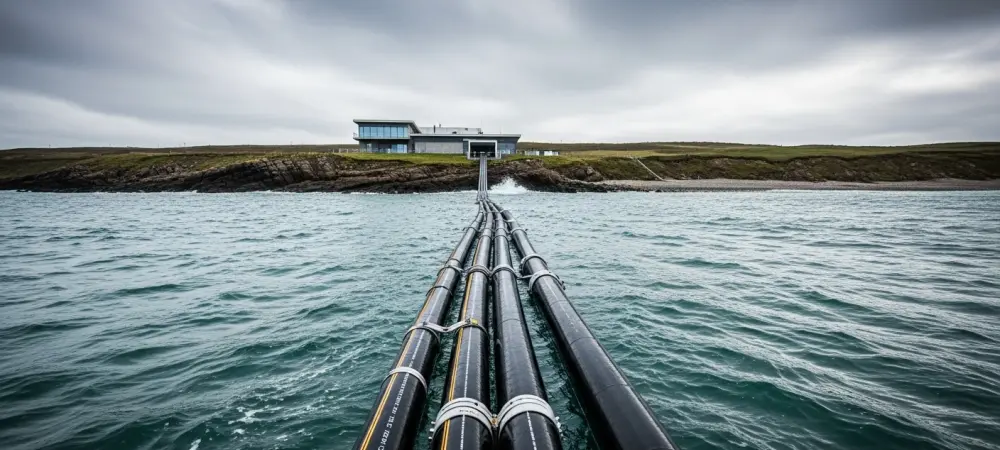
Blackpool’s most compelling advantage lies beneath the waves of the Irish Sea. The region is a key landing point for subsea fiber-optic cables that form the digital backbone between North America, Ireland, and the UK. This direct connectivity provides a crucial low-latency link to global data flows, an attribute highly prized by cloud providers and international corporations. The Peel Park site’s strategic location near the M55 motorway further enhances its logistical appeal, ensuring easy access for construction and maintenance. Unlike many inland locations, Blackpool offers a rare combination of international connectivity and domestic accessibility, providing a foundational asset that cannot be easily replicated.
Harnessing the Irish SePowering the Digital Future
A modern data center is a hungry beast, and its primary food is power. The planned 120-megavolt-ampere (MVA) connection for the Peel Park site is a massive enabler, demonstrating that the local grid can support large-scale digital infrastructure. The developer, Elite UK REIT, has also stated its intent to source renewable energy from the numerous offshore wind farms in the Irish Sea. This presents a powerful narrative of sustainable digital growth. However, this vision comes with a crucial caveat: no formal power purchase agreements have been confirmed. Securing these agreements will be a critical test, but the opportunity to power a data hub with green energy is a significant differentiator that aligns perfectly with the sustainability goals of major tech firms.
Silicon Sands: The Strategic Blueprint for a Tech-Driven Economy
This 80-megawatt facility is not a standalone project but the flagship of a coordinated local strategy known as “Silicon Sands.” Spearheaded by the Fylde Council, this initiative aims to rebrand the region as a hub for digital investment by actively marketing its unique assets. This proactive local support is a powerful catalyst, creating a favorable environment that can streamline planning processes and foster a collaborative ecosystem. By linking the data center’s development to the growth of the nearby Blackpool Airport Enterprise Zone, the council is creating a compelling narrative of regional regeneration, promising high-skilled jobs and economic diversification far beyond the traditional tourism sector.
From Anchor Project to Digital Cluster: What’s Next for Blackpool?
The approval of this first major data center serves as a powerful proof of concept. Its successful development could create a “clustering” effect, where the initial anchor tenant attracts a host of related businesses, from other data center operators to cloud service providers and specialized tech firms. The industry trend toward building data infrastructure in new, cost-effective regions with renewable energy potential works firmly in Blackpool’s favor. As AI workloads demand ever-denser and more power-intensive facilities, locations like Blackpool, with access to both power and connectivity, are set to become increasingly attractive. The key variable remains execution; while a construction timeline has not yet been announced, all eyes are on this project to see if it can convert ambitious plans into concrete reality.
The Verdict on Blackpool: Opportunities and Hurdles for Stakeholders
Blackpool’s journey toward becoming a data center hub is built on a solid foundation of strategic advantages. For investors and data center operators, the combination of subsea connectivity, potential for renewable energy, and strong local government support presents a compelling and unique opportunity outside of the overheated London market. The primary hurdle lies in execution—specifically, securing the renewable energy contracts and ensuring the project proceeds without delay to build market confidence. For regional stakeholders, the project represents a blueprint for economic diversification, demonstrating how legacy industrial areas can pivot to support the industries of the future. The key takeaway is that while the potential is immense, sustained momentum and tangible progress are now essential.
A New Digital Beacon on the Fylde Coast
Blackpool is at a crossroads, with one foot in its celebrated past and the other stepping boldly into the digital future. The “Silicon Sands” vision is more than just a clever marketing term; it is a strategic and credible plan to leverage the region’s unique geographical and energy assets. Whether Blackpool fully realizes its ambition to become the UK’s next great data center hub will depend on its ability to execute this flagship project and attract the subsequent wave of investment it promises. If successful, the glow from its new data centers may one day rival the fame of its iconic Illuminations, signaling a remarkable transformation from a capital of leisure to a critical node in the global digital economy.