

Introduction
Imagine unboxing a brand-new Nintendo Switch 2, the sleek handheld console that has taken the gaming world by storm, only to accidentally scratch its vibrant screen during a hectic gaming session. Such a mishap can be disheartening, especially given the significant investment made in cutting-edge technology. Protecting the device becomes paramount for gamers who want to preserve both functionality and aesthetics. This FAQ article dives into a critical accessory for safeguarding the console—Belkin’s Tempered Glass Anti-Reflective Screen Protector. The purpose here is to address common queries about this product, evaluating its effectiveness and value to help potential buyers make informed decisions. Readers can expect clear answers on its features, performance, and whether it stands out as a top choice for Nintendo Switch 2 protection.
The scope of this discussion encompasses key aspects such as ease of application, durability, design impact on gameplay, and cost-effectiveness. Each section aims to break down complex considerations into digestible insights, ensuring that both novice and seasoned gamers gain a comprehensive understanding. By exploring these elements, the goal is to provide guidance on whether this specific protector meets the diverse needs of console owners.
Key Questions About Belkin’s Screen Protector
How Easy Is It to Apply This Screen Protector?
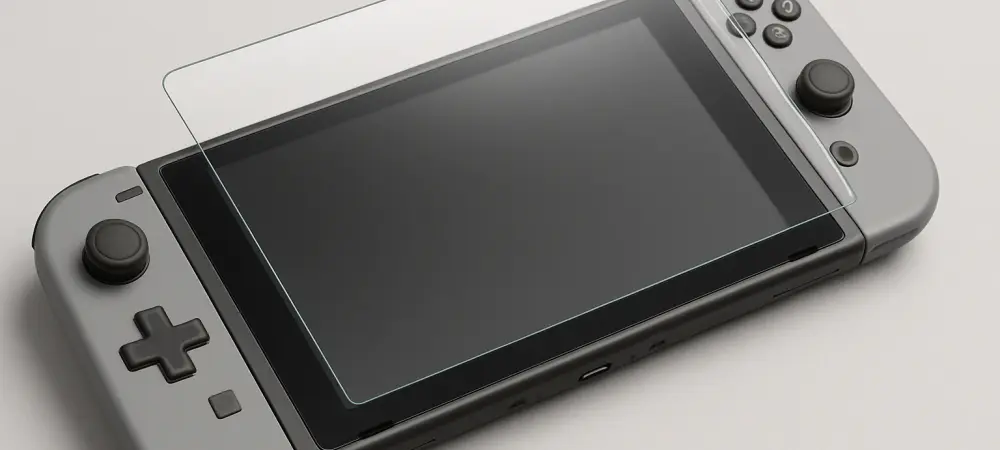
Applying a screen protector can often feel like a daunting task, with the risk of misalignment or pesky air bubbles ruining the effort. For Nintendo Switch 2 owners, ensuring a flawless application is crucial to avoid compromising the screen’s touch sensitivity or visual appeal. Belkin addresses this concern by including a guiding frame with its Tempered Glass Anti-Reflective Screen Protector, designed to fit perfectly over the console for precise placement. The process is notably swift, taking mere seconds to smooth out the protector and remove most bubbles by peeling back a top film layer.
Feedback from testing indicates that while a few stubborn bubbles might linger initially, they typically vanish within days of regular use. This user-friendly approach stands out, especially for those who lack confidence in manual installations. The simplicity reduces the likelihood of errors, making it an attractive option for anyone seeking a hassle-free experience when safeguarding their device.
How Durable Is the Belkin Protector Against Damage?
Durability ranks high among priorities for screen protectors, as the primary role is to shield the Nintendo Switch 2 from everyday hazards like scratches or accidental drops. The tempered glass construction of Belkin’s product is engineered to withstand significant wear and tear, offering a robust barrier against common threats. Rigorous testing, such as scraping with keys, has shown no visible damage even under increased pressure, highlighting its resilience.
Further assessments of adhesion reveal that the protector remains firmly attached, resisting attempts to peel it off with minimal effort. This steadfast grip ensures long-term protection without the annoyance of premature lifting. While extreme impacts like heavy drops weren’t tested, the evidence suggests a reliable defense against routine scuffs, making it suitable for gamers who carry their consoles in bags or pockets alongside other items.
Does the Design Affect Display Quality or Gameplay?
A major concern for gamers is whether a screen protector will interfere with the vivid display of the Nintendo Switch 2, potentially dulling colors or causing glare during intense gameplay. Belkin’s design incorporates beveled edges to blend seamlessly with the console, avoiding an unsightly lip around the screen. Additionally, an anti-reflective coating and anti-fingerprint treatment work to minimize distractions from reflections and smudges, maintaining clarity under various lighting conditions.
Tests under harsh lighting required tilting the device to extreme angles to notice any reflection, proving its effectiveness in typical environments. The vibrant visuals of popular games remain uncompromised, ensuring that the gaming experience isn’t hindered by reduced screen quality. This balance of protection and visual fidelity makes the protector a practical choice for maintaining immersion during play.
Is the Price Justified Compared to Other Options?
Budget considerations often play a significant role in choosing accessories for gaming consoles, and at $24.99 in the US, £14.99 in the UK, and AU$29.95 in Australia, Belkin’s screen protector sits at a competitive price point. The cost prompts questions about whether the value matches the investment, especially when some competitors offer bundles with multiple protectors for a similar or slightly higher amount. The argument for Belkin lies in its quality, as a single, durable protector may outlast cheaper alternatives that require frequent replacement.
The focus on longevity and performance suggests that spending on a reliable product can be more economical over time. For gamers prioritizing quality over quantity, this pricing aligns with the expectation of a protector that delivers consistent protection without the need for immediate backups. It caters well to those who value a one-time, effective solution over bulk deals that might compromise on durability.
What Are the Limitations of This Screen Protector?
No product is without flaws, and understanding the drawbacks of Belkin’s offering helps in making a balanced decision. One notable limitation is the absence of a backup protector in the package, unlike some rival products that include spares for application errors or future replacements. This could be a concern for users who anticipate mishaps during installation or expect to need a replacement due to heavy usage.
Additionally, while the price is reasonable, more budget-friendly options are available in the market, though they may not match the same level of quality or endurance. These limitations are minor in the grand scheme but worth considering for specific user needs. Gamers who are particularly cautious or cost-conscious might weigh these factors against the protector’s strengths before committing to a purchase.
Summary of Key Insights
This exploration into Belkin’s Tempered Glass Anti-Reflective Screen Protector for the Nintendo Switch 2 consolidates essential insights for potential buyers. The product excels in ease of application, thanks to a guiding frame that simplifies installation. Its durability stands out with tempered glass that resists scratches and maintains strong adhesion. Design features like anti-reflective coating ensure that gameplay visuals remain vibrant, while the competitive pricing offers good value despite lacking a spare protector. The main takeaway is that this accessory addresses core needs of console protection with minimal trade-offs. For those seeking deeper information on gaming accessories or alternative protectors, consulting specialized gaming forums or manufacturer websites can provide additional perspectives. This summary serves as a foundation for understanding the product’s place in the market and its suitability for diverse gaming lifestyles.
Final Thoughts
Reflecting on the detailed evaluation, it is evident that Belkin’s screen protector emerges as a strong contender for safeguarding the Nintendo Switch 2, balancing practicality with performance. The journey through its features revealed a thoughtful design tailored to gamers’ needs. Moving forward, potential buyers might consider testing the protector under personal usage conditions to confirm its fit with their habits. Exploring complementary accessories, such as carrying cases, could further enhance device safety. As the gaming landscape evolves, staying informed about emerging protective technologies will be key to ensuring long-term care for cherished consoles.