

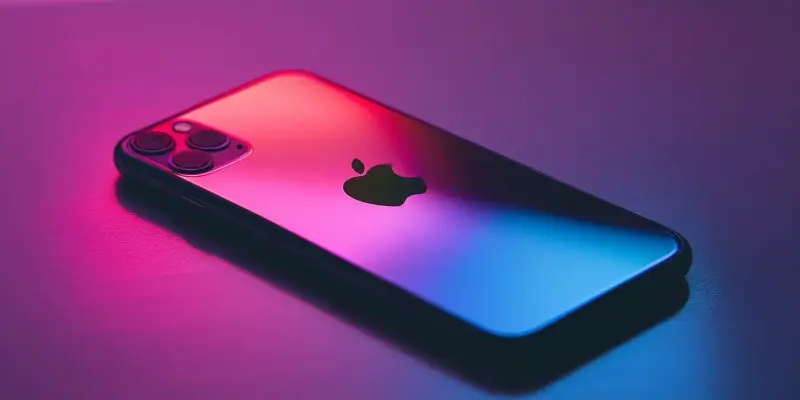
With the latest leaks revealing Apple’s ambition to create one of its thinnest iPhones yet, the iPhone Air, the tech world buzzes with anticipation and skepticism. Apple leaker Jon Prosser recently disclosed the design of this upcoming model, previously referred to as the iPhone 17 Air or iPhone 17 Slim. As we delve into what this new device offers, its ultra-thin design raises pertinent questions about the trade-offs users might face, especially concerning features and battery life.
Design and Durability Concerns
According to Prosser, the iPhone Air features a significantly thin chassis, which has been achieved at the expense of certain elements that users have come to expect. The leaked images highlight a single rear camera module integrated into a camera bar reminiscent of Google Pixel’s design. This camera bar protrudes noticeably from the device’s wafer-thin body, raising immediate concerns about the phone’s durability. It’s all too easy for tech enthusiasts to recall the Bendgate scandal, where previous iterations of Apple’s thinner iPhones faced bending issues. The worry is that the iPhone Air might suffer from similar problems, compromising the robustness of the device purely for the sake of sleek aesthetics.
The decision to include only one 48 MP camera sensor has also sparked extensive debate. While some rumors suggest that this may be a cost-cutting measure akin to what was seen with the iPhone SE 4, others find this argument weak given the potentially premium pricing of the iPhone Air. This design decision seems especially puzzling when competitors are integrating multiple sensors into their devices. With conflicting reports about its final price, the iPhone Air is expected to be costly—possibly more expensive than the iPhone 17 Pro Max. However, Prosser speculates that its price tag might not reach such heights, possibly capped around $1,300.
Competitive Landscape
As more information comes to light, the ultra-thin design of the iPhone Air has sparked substantial discussions. Many are eager to see what this new device will offer, but the prospect of such a slim form factor also raises valid concerns. What trade-offs might users face in exchange for this sleek new design? Battery life is a significant concern, as thinning down the device could potentially lead to a smaller battery, which might affect its longevity between charges. Also, the inclusion of certain features may be compromised to maintain the thin design. As anticipation builds, many are curious to see how Apple balances style and functionality in the iPhone Air.