

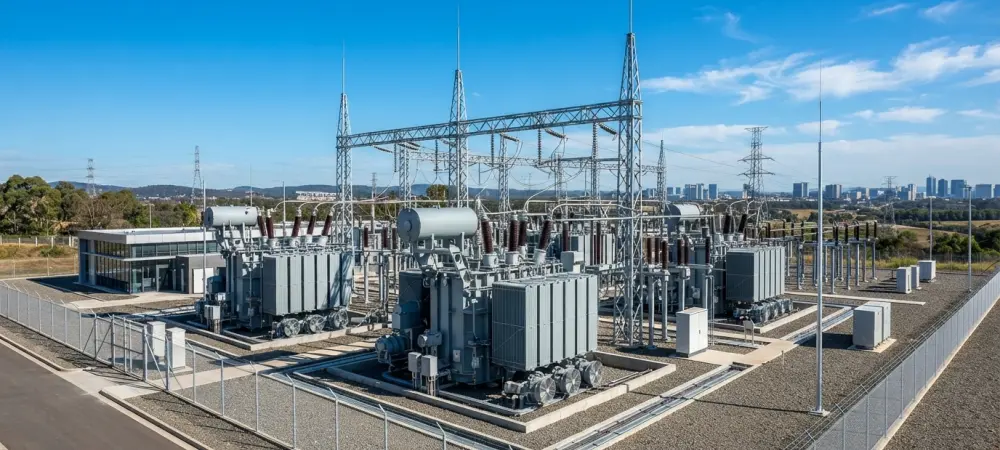
The A$4.25 billion debt package for the SYD3 project stands as the largest financing deal in AirTrunk’s history, surpassing its previous record for the JHB2 facility in Malaysia. This massive injection of capital, totaling approximately $3 billion, signifies a monumental shift in the scale of digital infrastructure financing within the Asia-Pacific region. As cloud computing and artificial intelligence workloads demand increasingly dense power configurations, the development of the 400-megawatt SYD3 campus in Huntingwood, Western Sydney, marks a pivotal moment for regional technological capability. This specific deal brings the company’s total committed global debt to nearly $27 billion, with a significant portion allocated to Australian operations. The commitment reflects a strategic push to stay ahead of the massive surge in data consumption that defines the current technological era. By securing such vast resources, the operator is positioning itself not just as a service provider but as a foundational architect of the modern digital economy.
The timing of this $3 billion loan is particularly striking when viewed against the backdrop of recent instability within the artificial intelligence and data center industries. While many companies have struggled to maintain investor enthusiasm, this specific project has managed to secure funding without the setbacks that have plagued its peers. For instance, some AI cloud operators recently had to withdraw planned initial public offerings after failing to demonstrate a consistent track record to skeptical investors. Elsewhere in the Australian market, major players have seen significant drops in market valuation following delays in power delivery and construction hurdles. Furthermore, community opposition has led to the withdrawal of development applications for other facilities in the region. In this context, the successful closing of the SYD3 financing package stands as a significant anomaly. It suggests that the market is becoming increasingly selective, favoring organizations that can prove operational reliability over speculative promises.
Institutional Confidence: Strategic Market Resilience
The sheer volume of this financial arrangement required an unprecedented level of coordination among major global financial players. A syndicate of thirty-two local and international financial institutions came together to support the SYD3 project, signaling a high degree of confidence in the underlying business model. This group was orchestrated by a trio of global coordinators including Sumitomo Mitsui Banking Corporation, HSBC, and United Overseas Bank. Among the lead underwriters were prestigious names such as Deutsche Bank, BNP Paribas, Goldman Sachs, and MUFG Bank. The involvement of such a diverse and powerful group of lenders demonstrates that despite broader economic uncertainties, there is a distinct appetite for large-scale infrastructure projects that have clear utility. This collective institutional backing serves as a buffer against market fluctuations, providing the necessary liquidity to ensure that the complex construction and operational phases of the massive Western Sydney campus remain on schedule.
Addressing this market divergence, CEO Robin Khuda has characterized the successful funding of the SYD3 campus as a “flight to quality.” This concept implies that as the initial hype surrounding the AI boom cools, capital is moving toward established entities with a history of disciplined execution and tangible assets. Investors are no longer willing to bankroll unproven startups or poorly managed expansion plans; instead, they are looking for stability and scale. By maintaining strong relationships with a broad network of lenders, the company has managed to insulate itself from the volatility that has damaged more speculative competitors. This strategy allows for continued growth even during periods when the broader tech sector faces high interest rates or reduced venture capital availability. The ability to tap into massive debt markets rather than relying on public equity demonstrates a sophisticated understanding of current financial dynamics. This resilience positions the operator as a blue-chip leader in a field that is still navigating its own rapid maturation process.
Sustainable Investment: Future Regional Impact
A defining element of this capital raise is its categorization as a “green loan,” requiring the development to meet high environmental and social standards. The organization has committed to investing another A$75 billion over the next decade, from 2026 to 2036, to ensure its infrastructure keeps pace with technological demand. In Western Sydney, the SYD3 project alone is expected to support over 10,000 jobs, fostering a specialized workforce in one of Australia’s fastest-growing regions. These “green” structures utilize margin adjustments that redirect interest savings into social impact programs, such as STEM education and disaster relief. This creates a model where the massive physical expansion of data centers provides tangible benefits to the surrounding local communities. By focusing on both economic growth and social responsibility, the company has managed to avoid the community opposition that has stalled other major infrastructure developments in the area. This balanced approach ensures long-term operational stability and a favorable regulatory environment.
The successful acquisition of the A$4.25 billion loan package for the SYD3 project finalized a critical phase in the expansion of regional digital infrastructure, extending beyond Australian borders. While Western Sydney remained a focal point, the organization simultaneously secured significant financing for international sites, including advanced liquid-cooling facilities in Tokyo and expansive campuses in Malaysia. This diversified strategy allowed the company to bypass the immediate need for public listings, favoring the agility of private debt. For stakeholders, the next logical step involved prioritizing established partnerships and sustainable debt structures over volatile equity markets. Future considerations must now focus on how such massive power requirements will integrate with local energy grids and sustainability mandates. This deal proved that the appetite for data centers remained robust when backed by transparent governance. Moving forward, the focus shifted toward maximizing the efficiency of these assets while maintaining the social licenses required for such significant physical expansions.