

I’m thrilled to sit down with Dominic Jainy, an IT professional whose deep knowledge of artificial intelligence, machine learning, and blockchain also extends to their real-world applications in industries like data center development. Today, we’re diving into the recent approval of two EdgeConneX data centers in Ireland, a decision that has sparked discussions on energy use, environmental impact, and regulatory challenges. Dominic brings a unique perspective on how technology intersects with urban planning and sustainability, and we’ll explore the nuances of this project, from local opposition to the conditions set for approval, and what it means for the future of data centers in Ireland.
Can you walk us through the recent EdgeConneX data center project in Lucan, Dublin, and explain how the national planning body’s decision contrasted with the local council’s initial stance?
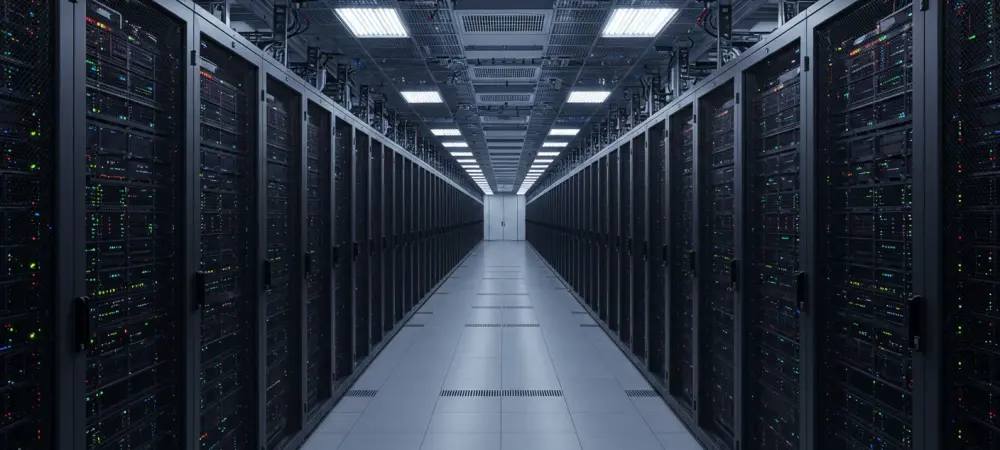
Absolutely, Maison. The EdgeConneX project in Lucan involved plans for two single-story data centers on Newcastle Road, covering a significant 15,000 square meters. The South Dublin County Council initially rejected the proposal, primarily due to concerns over insufficient capacity in local infrastructure and the absence of a fixed connection agreement to the national grid. However, An Coimisiun Pleanala, Ireland’s national planning authority, overturned this decision on July 31, granting conditional approval. They saw that EdgeConneX had addressed key issues, like securing that grid connection, which meant the project wouldn’t rely solely on on-site power generation. It was a clear divergence in perspective—local concerns versus a broader strategic view on infrastructure needs.
What were some of the specific conditions attached to this approval by An Coimisiun Pleanala, and why do they matter?
One of the standout conditions was the requirement that the 24 backup diesel generators for the data centers must run on a renewable fuel source. This is significant because it directly tackles the environmental footprint of data centers, which are often criticized for their energy intensity. By mandating renewable fuels, the planning body is pushing for sustainability right from the operational core of the project. This condition could potentially increase costs or delay timelines due to the need for specialized fuel sourcing and generator modifications, but it sets a precedent for greener practices in the industry, which is critical in a country increasingly focused on carbon reduction.
Could you explain what a ‘fixed connection agreement’ to the grid means for a project like this and why it played such a big role in the approval process?
Sure, a fixed connection agreement essentially means that the data center has a guaranteed link to the national electricity grid, ensuring a stable power supply without being an isolated or “islanded” setup that depends entirely on on-site generation. For the local council, the initial lack of this agreement was a red flag—it raised fears of over-reliance on backup generators and potential strain on local resources. Once EdgeConneX secured this agreement, it alleviated those concerns and was a key factor in An Coimisiun Pleanala’s decision to approve, as it showed the project could integrate into the broader energy network without destabilizing it.
The local council also highlighted issues like insufficient capacity and the lack of on-site renewable energy. Can you unpack these concerns for us?
Of course. Insufficient capacity refers to the worry that local infrastructure—think water, wastewater, and especially electricity networks—might not handle the added demand of a massive data center. These facilities are power hogs, and if the grid or other services can’t keep up, it could lead to outages or strain on the community. As for on-site renewable energy, the concern is about sustainability. Data centers in Ireland are under growing scrutiny for their environmental impact, and without on-site solutions like solar panels or wind turbines, they’re seen as missing a chance to offset their huge energy needs. It’s becoming a major sticking point as the country pushes for greener policies.
Power consumption by data centers in Ireland has become a really contentious issue. Can you shed light on why this is stirring up so much public concern?
It’s a big deal because data centers are consuming a staggering amount of electricity—about 21 percent of Ireland’s total metered electricity in 2023, according to recent figures. That’s a huge chunk for a single industry, and it’s happening in a country where energy costs are already high and climate goals are a priority. People are worried that this level of consumption could jeopardize renewable energy targets or even lead to power shortages for households. It’s no surprise that this fuels opposition—every new data center project feels like it’s prioritizing tech over the public’s immediate needs, and that tension is palpable in community responses.
EdgeConneX highlighted energy efficiency measures and power purchase agreements in their appeal. Can you break down what these are and why they’re important in addressing some of the concerns?
Energy efficiency measures could include things like advanced cooling systems to reduce power use, optimizing server layouts, or using AI to manage energy loads more effectively. These steps cut down on overall consumption, which is a direct response to capacity concerns. Power purchase agreements, or PPAs, are contracts where the data center agrees to buy a certain amount of renewable energy from a provider, often over a long term. This helps ensure that even if they’re not generating renewables on-site, they’re still supporting green energy production. Both are crucial because they show a commitment to mitigating the environmental impact, which is a key demand from regulators and the public alike in Ireland.
There seems to be growing public opposition to data centers across Ireland. What do you think is driving this pushback?
A lot of it comes down to the visible impact of data centers on local communities and national resources. People see these giant facilities popping up, using massive amounts of electricity—sometimes more than entire towns—and they question whether the benefits, like jobs or tech advancement, outweigh the costs. There’s also frustration over the strain on the grid, especially when energy bills are rising. Add to that the environmental angle—many feel these projects aren’t doing enough to align with Ireland’s climate goals. High-profile appeals, even from well-known figures, amplify this sentiment, turning data centers into a symbol of broader concerns about sustainability and corporate priorities over community needs.
Looking ahead, what’s your forecast for the future of data center development in Ireland given these challenges?
I think we’re at a crossroads. Data centers are vital for the digital economy, especially with the growth of AI and cloud computing, which demand massive computing power. But Ireland’s going to see tighter regulations and even stronger public scrutiny. I predict we’ll see more projects approved only with strict conditions around renewable energy and grid integration, like what happened with EdgeConneX. There might also be a push toward smaller, more distributed facilities to lessen local impact. The industry will need to innovate—whether through better energy solutions or community engagement—to balance growth with sustainability. If they don’t, opposition could slow things down significantly, even in a tech-friendly hub like Ireland.