

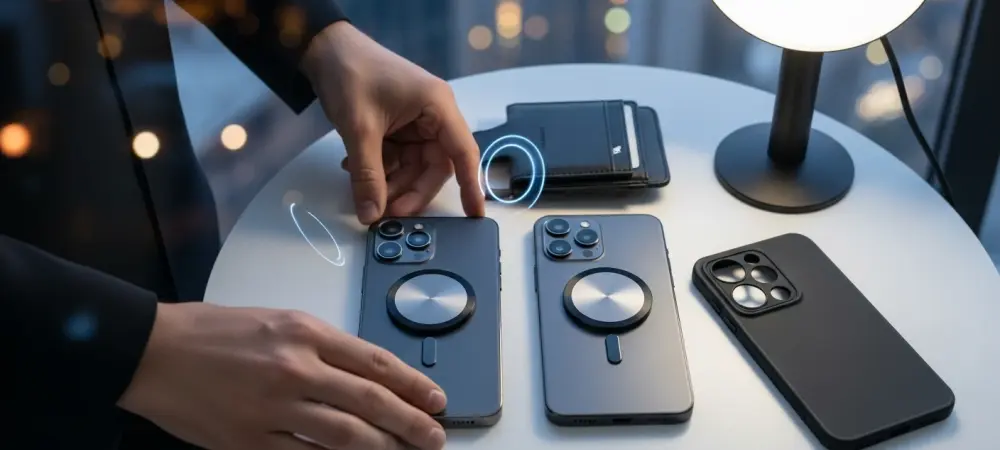
Background, Context, and Scope of This Comparison
Design Lineage and Market Positioning
Shoppers considering Apple’s biggest flagship face a familiar choice: proven stability versus a likely iterative leap. The iPhone 17 Pro Max set a durable template; the iPhone 18 Pro Max appears to push refinement rather than reinvention. Apple’s playbook favors continuity at the premium tier, where user trust and accessory ecosystems matter. The 18 Pro Max looks aligned with that strategy, centering upgrades where they count without upending daily habits.
Scope and Sources of Evidence (Leaked Dummy Units vs. Shipping Hardware)
This analysis draws on images of a leaked iPhone 18 Pro Max dummy, contrasted with the shipping iPhone 17 Pro Max. Dummy hardware signals intent but does not guarantee final dimensions or specs. Consequently, conclusions prioritize what can be seen—camera plateau growth, port layout, button mapping—while treating internal performance claims as provisional.
Named Brands, Products, and Sources Referenced
Apple’s lineup, including iPhone 18 Pro Max and iPhone 17 Pro Max, anchors the narrative. Persistent platform features—MagSafe, LiDAR, USB-C, Action Button, and Camera Control—frame user impact. Coverage also notes Max Tech and creator Vadim Yuryev, whose dummy unit images galvanized this comparison, plus chatter around a rumored “iPhone Ultra” foldable.
Purpose and Relevance in the Flagship Smartphone Market
Flagship buyers weigh yearly gains against real costs like accessories and retraining muscle memory. The question is not novelty, but meaningful benefit per dollar and per day. This comparison clarifies where the 18 Pro Max likely diverges and where the 17 Pro Max still excels right now.
Direct Comparison of Hardware and Design Features
Exterior Design and Materials
Both phones appear to share a flat profile, glass back, and a stainless or titanium-like frame feel. That continuity protects brand identity and accessory investments. However, the 18 Pro Max shows a slightly larger camera plateau and a thicker bump. Bottom edges hold a USB-C port and twin speaker grilles, while MagSafe’s ring stays centered for predictable alignment.
Camera System and Imaging Hardware
The triple-camera array remains, joined by LiDAR, an LED flash, and a secondary mic. Larger lenses and an expanded module footprint hint at bigger sensors. Expected gains point to cleaner low-light output, steadier depth mapping, and sharper portraits. If realized, the 18 Pro Max would edge the 17 Pro Max where users notice it most.
Controls, Ergonomics, and Usability
Button placement appears unchanged: power and Camera Control on the right; volume and Action Button on the left. That choice respects muscle memory and pro workflows.
Cases may need retooling around a thicker camera bump, but grip and reach should feel consistent. Owners can switch with minimal relearning.
Practical Challenges, Limitations, and Buyer Considerations
Reliability of Leaked Dummy Units and Potential Changes Before Launch
Dummy units are snapshots, not contracts. Lens diameters, ring thickness, and tolerances sometimes shift late. Shoppers should balance the visible direction with the risk of last-minute tweaks, especially on camera glass and finish.
Accessory and Case Compatibility Amid a Larger Camera Module
A wider module can break fit for tight camera cutouts. MagSafe alignment should hold, but magnetic wallets and mounts may need updated tolerances. Early accessory makers will iterate fast; those needing guaranteed fit should confirm SKU-level support.
Weighing Incremental Refinements vs. Waiting for Confirmed Specs and Reviews
Incremental does not mean trivial when it touches cameras. Night footage, indoor family shots, and travel snaps could see step-change improvements. Yet the 17 Pro Max remains a known quantity with mature cases, gimbals, and MagSafe gear. Immediate needs may outweigh speculation.
Launch Timing and Uncertainty: Rumored September Window and “iPhone Ultra” Chatter
Timing expectations circle a September window for the 18 Pro and Pro Max. A rumored “iPhone Ultra” foldable added intrigue but stayed unconfirmed. Those schedules can slip, and priorities can shuffle, so plans should allow for variance.
Conclusions and Recommendations
Key Takeaways Tied to Specific Hardware Elements and Sources
Visible cues favored steadiness: USB-C, MagSafe, and controls stayed put; the camera plateau grew. Max Tech’s imagery illuminated likely sensor-driven priorities. If Apple followed that path, the 18 Pro Max would have led on optics while preserving established ergonomics.
Who Should Pick the iPhone 17 Pro Max Now
Users needing a phone today benefited from proven performance, day-one reliability, and broad accessory fit. Creators with fixed rigs and cages avoided rework. Those valuing stable ergonomics and predictable MagSafe behavior found the 17 Pro Max a confident buy.
Who Should Wait for the iPhone 18 Pro Max
Buyers chasing cleaner low light, richer depth maps, and portrait fidelity had reason to wait. Early adopters comfortable with uncertain specs tolerated the risk. If camera ambition topped the list, patience likely paid dividends.
Decision Criteria to Choose Between Them
The call hinged on camera priority versus cost and timing, plus MagSafe and case dependencies. Tolerance for small design shifts with iterative benefits tipped the scale. Planning around accessory refresh cycles and September availability windows offered the smoothest path forward.