

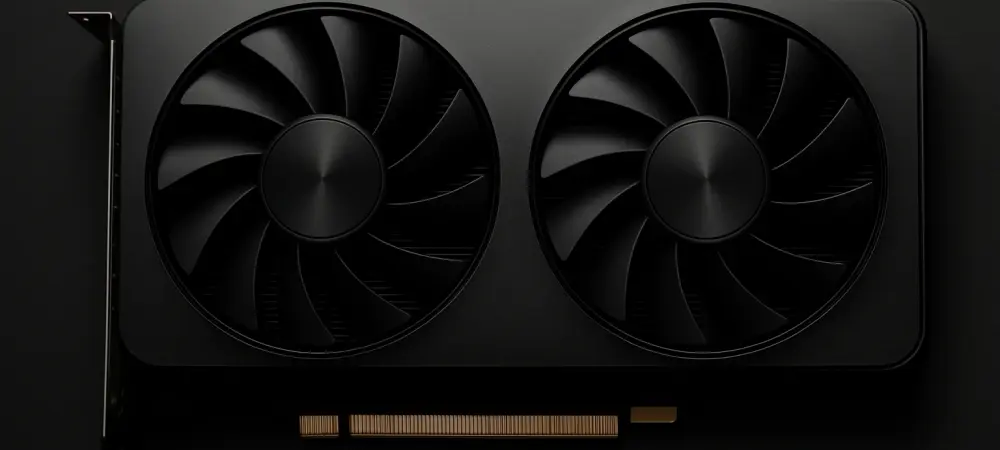
What does it take to challenge the titans of the GPU market when your name is synonymous with processors, not graphics cards? Intel, long a giant in the CPU space, is making waves with its Arc lineup, stirring excitement with whispers of the Arc B770 and groundbreaking frame generation technology. With a market share lingering below 1 percent, the stakes are high, and the question looms: can Intel carve out a meaningful slice of a market dominated by Nvidia and AMD? This journey into uncharted territory promises to reshape the landscape for gamers and creators alike.
Why Intel’s GPU Ambitions Demand Attention
In an industry where Nvidia and AMD hold court, Intel’s relentless push into the GPU space is more than a footnote—it’s a potential game-changer. The demand for powerful yet affordable graphics hardware has skyrocketed as gaming evolves and professional workloads grow heavier. Intel’s strategy to target the mid-range segment could fill a critical void for budget-conscious users who crave performance without the hefty price tag.
This move also signals a broader shift toward increased competition in a field that often feels like a duopoly. Greater diversity among players could spark innovation, drive down costs, and ultimately benefit consumers. Intel’s persistence, despite its small footprint, underscores a commitment to shaking up the status quo, making this an endeavor worth watching closely.
Unpacking the Arc B770 and Frame Generation Innovations
At the heart of Intel’s latest efforts lie two pivotal advancements poised to elevate its standing. The rumored Arc B770, part of the Battlemage series, is said to feature 16GB of VRAM—a significant leap from the 12GB in the current Arc B580. Leaked driver code, uncovered by Tomasz Gawroński, positions this GPU as a successor to the mainstream A770, aiming to rival mid-range contenders like Nvidia’s RTX 5060 or AMD’s RX 9060 rather than top-tier heavyweights.
Equally intriguing is Intel’s dive into multi-frame generation technology, a feature spotted in driver code by Redditor Organic-Bird. This technique, mirroring capabilities seen in Nvidia’s RTX 50 series, interpolates up to three frames between rendered ones, boosting frame rates for smoother visuals on high-refresh-rate displays. While this innovation holds promise, it may introduce input latency, a trade-off users will need to weigh.
Adding to the speculation, a job listing from Intel’s Haifa office for a “high-end” desktop gaming SoC hints at loftier goals, possibly linked to the upcoming Celestial series. Though details remain scarce, these combined hardware and software strides suggest Intel is crafting a well-rounded approach to compete in a crowded market.
Industry Voices Weigh In on Intel’s Strategy
Despite Intel’s modest market presence, industry observers are taking notice of its determination. Leaks and driver code revelations, shared by figures like Tomasz Gawroński and Organic-Bird, have fueled discussions about Intel’s potential to disrupt the mid-range GPU segment. One tech analyst recently commented, “Intel’s emphasis on VRAM-heavy designs like the B770 could attract gamers seeking future-proof options without chasing peak performance.”
Further evidence of Intel’s resolve comes from ongoing job postings for GPU talent, countering doubts about its long-term commitment. Official statements from the company reinforce a dedication to the Arc lineup, even as strategic partnerships with Nvidia on SoC projects reveal a pragmatic balance between competition and collaboration. This multifaceted approach hints at a calculated effort to build relevance over time.
Practical Implications for Gamers and Tech Enthusiasts
For those intrigued by Intel’s emerging tech, there are actionable ways to engage with these developments. Monitoring official updates on the Arc B770 will be key to understanding if its 16GB VRAM and mid-range focus align with specific gaming or creative needs, particularly for 1440p resolutions on a budget. This could be a sweet spot for many users looking to upgrade without overspending.
Experimenting with Intel’s XeSS framework offers another avenue, especially as it may incorporate multi-frame generation. Testing current Arc cards in supported games can provide insight into software-driven performance gains. For owners of high-refresh-rate monitors, prioritizing titles with strong baseline frame rates will help mitigate potential latency issues tied to frame interpolation.
Finally, comparing Intel’s offerings to Nvidia and AMD alternatives based on price-to-performance metrics will be crucial once the B770 becomes available. This focus on value could position Intel as a compelling choice for those seeking balance between cost and capability in an increasingly competitive space.
Reflecting on Intel’s Path Forward
Looking back, Intel’s journey in the GPU market stood as a testament to persistence, with the Arc B770’s rumored 16GB VRAM marking a bold step toward mid-range relevance. The exploration of multi-frame generation technology showcased an intent to match industry-leading innovations, while job listings for high-end projects hinted at ambitions beyond the immediate horizon.
As the landscape continued to evolve, stakeholders pondered the next steps. Keeping an eye on Intel’s hardware releases and software updates became essential for anyone invested in graphics technology. Evaluating how these advancements stacked up against competitors offered a chance to identify value-driven opportunities. Ultimately, Intel’s efforts laid a foundation for potential growth, inviting gamers and creators to consider whether this underdog could deliver on its promise in the years that followed.