

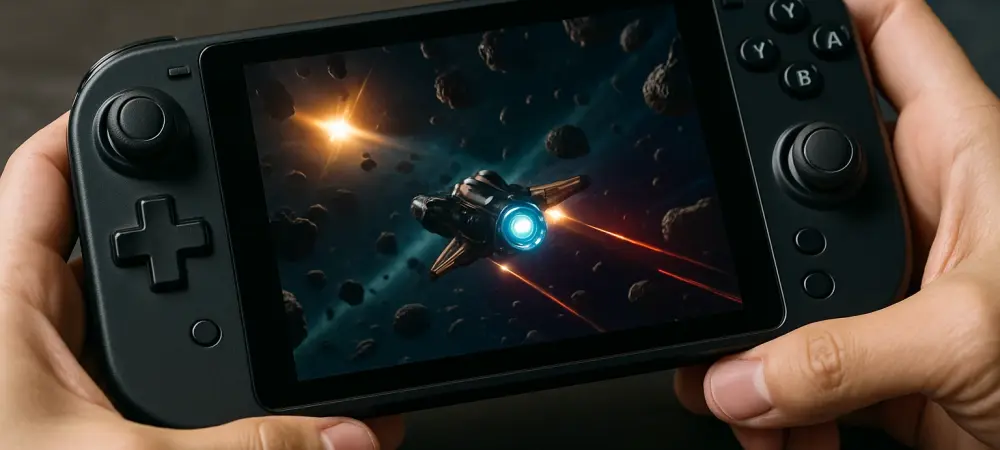
What happens when gaming power fits into the palm of a hand, yet rivals the might of a desktop rig, and redefines how we experience entertainment on the go? OneXPlayer has answered this question with a groundbreaking duo of products that challenge the limits of portable gaming. Unveiled recently, the X1 Air handheld and OneXGPU Lite external GPU are not mere devices; they represent a seismic shift in how gamers experience their favorite titles on the go. This feature dives into the innovation, impact, and potential of these cutting-edge tools, exploring why they’re capturing the attention of tech enthusiasts and casual players alike.
The Rising Demand for Gaming Anywhere
Portable gaming has evolved from a niche interest to a cultural necessity. With over 3 billion gamers worldwide, as reported by industry analysts, the hunger for devices that blend mobility with high performance is undeniable. No longer are players confined to static setups; the modern lifestyle—marked by travel, remote work, and constant movement—demands hardware that keeps pace. OneXPlayer steps into this arena with solutions that promise to deliver uncompromised gaming experiences, whether on a train, in a café, or at home.
This shift isn’t just about convenience. It reflects a broader trend toward versatile technology that adapts to varied user needs. Handheld devices, once limited to simplistic games, now boast specs that rival full-sized consoles. The introduction of products like the X1 Air signals a pivotal moment, where power and portability are no longer mutually exclusive, setting a new standard for what gamers expect from their gear.
Unveiling a Game-Changer in Handheld Tech
At the heart of OneXPlayer’s latest reveal is the X1 Air, a 3-in-1 marvel that functions as a handheld, tablet, or laptop with detachable joysticks and a magnetic keyboard. Powered by Intel’s Lunar Lake “Core Ultra Series 2” processors, it offers configurations like the Core Ultra 7 258V, paired with Battlemage integrated GPUs such as the Arc 140V. Boasting a 10.95-inch, 120Hz display and 32 GB of LPDDR5x memory, this device, starting at $950, delivers performance that competes with dedicated gaming laptops.
Complementing this is the OneXGPU Lite, a compact external GPU enclosure that amplifies graphical capabilities with the AMD Radeon RX 7600M XT. Priced at $550, it features 8 GB GDDR6 memory and versatile connectivity options like USB-C and Oculink. Its lightweight design, weighing just under 500 grams, ensures it’s as portable as the handheld it enhances. Together, these innovations cater to a spectrum of gaming needs, from casual play to graphically intensive titles.
The significance of this launch lies in its accessibility. By offering high-end specs at competitive price points, OneXPlayer addresses a gap in the market for affordable, powerful portable solutions. This duo isn’t just hardware; it’s a bold statement about democratizing top-tier gaming for a wider audience, redefining expectations in a crowded industry.
Voices from the Tech Frontier
Industry experts have taken notice of OneXPlayer’s bold moves. A leading hardware analyst remarked, “The X1 Air’s integration of Intel’s Battlemage GPU architecture marks a leap forward for handheld integrated graphics, pushing boundaries we didn’t expect to see this soon.” This sentiment echoes across tech circles, with many highlighting the device’s ability to balance raw power with a sleek, multi-functional design.
Feedback on the OneXGPU Lite is equally enthusiastic, though not without critique. One reviewer noted, “At $550, it’s a steal for gamers needing extra graphical punch, but the lack of RDNA 4 features shows there’s room for future upgrades.” Early adopters on online forums have praised the seamless plug-and-play experience when pairing the eGPU with various devices, though some pointed out the absence of an Oculink port on the X1 Air as a missed opportunity for optimal connectivity.
These insights paint a picture of a company that’s striking a delicate balance. While pushing innovation, OneXPlayer remains attuned to user feedback, addressing core needs like affordability and ease of use. Such responsiveness suggests a deep understanding of the gaming community’s evolving demands, positioning the brand as a serious contender in the portable tech space.
Real-World Impact of Portable Powerhouses
Consider the case of a freelance graphic designer who moonlights as a competitive gamer. Juggling client meetings and late-night gaming sessions, this individual relies on a single device that can handle both workloads. The X1 Air, with its tablet-to-laptop versatility and robust specs, becomes a lifeline, enabling seamless transitions between professional software and high-demand games without lugging multiple gadgets.
Then there’s the college student, constrained by budget and dorm space, who craves immersive gaming without investing in a bulky desktop. Pairing the X1 Air with the OneXGPU Lite offers a solution—standalone handheld play for casual titles and boosted graphics for AAA games when needed. This flexibility, backed by real-world affordability, illustrates how OneXPlayer’s offerings resonate with diverse user profiles.
These scenarios underscore a broader impact. By blending cutting-edge tech with practical design, the company is not just selling products but enabling lifestyles. Gamers of varying backgrounds—students, professionals, and hobbyists—find in these devices a way to integrate passion with practicality, a testament to thoughtful engineering meeting real human needs.
Maximizing the Potential of Cutting-Edge Gear
For those eager to dive into this new era of gaming, strategic use of the X1 Air and OneXGPU Lite can elevate the experience. Start by tailoring the setup to specific needs: the base X1 Air model suits on-the-go players with its Core Ultra 5 processor and vivid display, ideal for solo adventures or streaming. For heavier titles or multi-monitor demands, connecting the OneXGPU Lite via USB-C unlocks enhanced visuals, transforming a compact device into a desktop-grade powerhouse.
Attention to detail enhances performance further. Leverage the X1 Air’s WiFi 7 for lag-free online matches, and expand storage with a TF card up to 2 TB to keep a vast library at hand. When using the eGPU, ensure its cooling system remains unobstructed during intense sessions to maintain peak efficiency. Adjusting the X1 Air’s 72.77Wh battery settings for longer playtime can also make a significant difference during extended travel.
Reflecting on a Bold Step Forward
Looking back, OneXPlayer’s launch of the X1 Air and OneXGPU Lite stood as a defining moment in portable gaming. These devices carved a path for gamers to embrace unbridled power without sacrificing mobility, addressing a long-standing challenge in the industry. Their blend of innovation, affordability, and versatility captured the imagination of a diverse audience, setting a benchmark for what handheld technology could achieve.
As the gaming landscape continued to evolve, the next steps became clear. Exploring how to integrate even newer architectures, like potential RDNA 4 support in future eGPUs, offered a promising avenue. Gamers and tech enthusiasts alike were encouraged to test these tools in varied scenarios, pushing their limits to uncover untapped potential. Above all, staying engaged with community feedback remained vital, ensuring that future iterations built on this foundation to deliver even greater breakthroughs.