

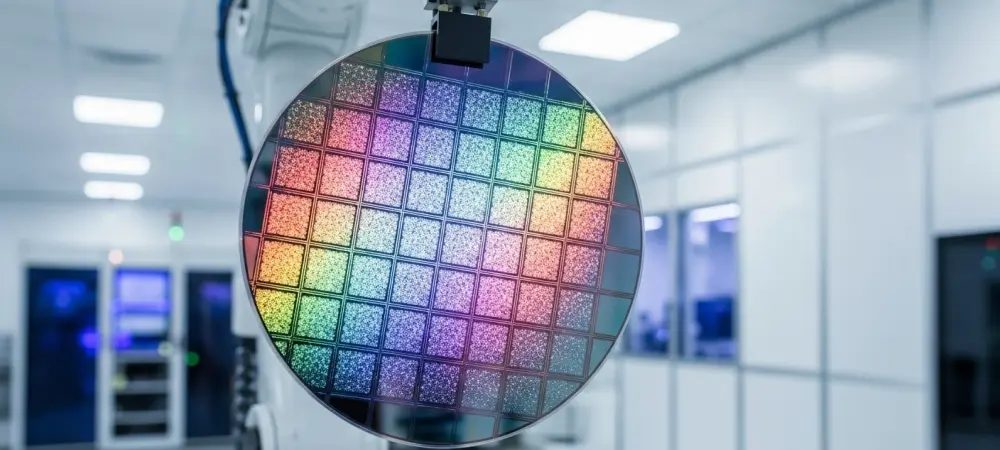
The global gaming landscape shifted dramatically when silicon giants stopped treating handheld devices as miniaturized laptops and started viewing them as a distinct category of high-performance engineering. For years, mobile enthusiasts accepted the compromises of battery life and thermal throttling, yet the arrival of Intel’s dedicated Arc G series chips signals an end to that era of secondary status. This article explores how these purpose-built processors aim to redefine the portable experience through the new Panther Lake architecture and hardware-level optimizations.
Readers can expect an in-depth look at the technical specifications of the G3 and G3 Extreme variants while understanding the broader implications for the future of mobile hardware. The scope of this discussion covers the shift from adapted silicon to specialized design, the introduction of AI-driven enhancements, and the specific software ecosystem intended to mirror a console-like experience. By focusing on the unique requirements of small-form-factor devices, Intel seeks to establish a new benchmark for what a dedicated handheld chip can achieve in a competitive market.
Key Questions: Understanding the Arc G Series
What Makes the Intel Arc G Series Architecture Unique?
Handheld gaming has traditionally relied on hardware designed for ultra-thin laptops, which often leads to power inefficiencies and thermal bottlenecks in smaller chassis. Intel addressed this challenge by developing the Arc G series on the Panther Lake architecture, moving away from repurposed silicon toward a dedicated design philosophy. This shift allows for more granular control over power consumption, ensuring that every watt contributes directly to the gaming experience rather than supporting unnecessary background processes found in standard PC environments. The architecture utilizes the advanced Intel 18A process node, providing a significant leap in transistor density and energy efficiency compared to previous generations. By employing a 14-core configuration that includes two performance cores, eight efficiency cores, and four low-power efficiency cores, the system balances heavy computational tasks with background maintenance seamlessly. This multi-layered approach ensures that the device remains responsive during intense gameplay while maximizing battery life during less demanding activities like video streaming or browsing.
How Does the Arc G3 Extreme Push the Boundaries of Portable Graphics?
The flagship Arc G3 Extreme stands as a testament to what is possible when graphics hardware is specifically tuned for a portable form factor. Featuring the Arc B390 integrated GPU with 12Xe3 cores, it reaches clock speeds up to 2.3 GHz, rivaling some entry-level discrete graphics cards found in larger machines. This performance is supported by a configurable TDP that ranges from 8W to 35W, allowing manufacturers to customize the thermal profile based on the cooling capacity and physical dimensions of their specific handheld design.
Moreover, the inclusion of a 46 TOPS NPU enables the processor to handle complex AI-driven tasks without burdening the primary CPU or GPU cores. This dedicated AI hardware works in tandem with high-speed LPDDR5X-8533 memory, which supports capacities up to 96 GB for the most demanding creative and gaming applications. Connectivity also receives a major boost through the integration of Thunderbolt 4 and Wi-Fi 7 R2, ensuring that data transfers and online gaming remain fluid and lag-free even in crowded network environments.
What Distinguishes the Standard Arc G3 From the Extreme Model?
While the Extreme model targets the absolute peak of performance, the standard Arc G3 focuses on delivering a premium experience for devices where portability and heat management are the primary concerns. It retains the same 14-core CPU architecture but operates at slightly lower clock speeds and a tighter TDP range of 8W to 30W. This optimization is intended to provide a more consistent performance profile that extends battery life without significantly compromising the frame rates in popular competitive titles.
The primary hardware difference resides in the graphics department, where the standard variant employs the 10Xe3 core Arc B370. Although it features fewer execution units than the flagship, it remains a powerhouse in the mid-range segment, capable of handling modern games at respectable settings. This chip allows hardware partners to create lighter, thinner devices that still benefit from the architectural improvements of the Panther Lake platform, making high-quality gaming accessible to a broader audience who may not require extreme settings.
How Does Intel’s Software Strategy Support Handheld Performance?
Hardware power alone is insufficient for a smooth handheld experience, which is why Intel introduced a comprehensive suite of software tools specifically for the Arc G series. One of the most significant additions is XeSS 3, which incorporates advanced frame generation to boost visual fluidity in demanding titles. This technology allows small-form-factor devices to punch above their weight, delivering high-refresh-rate gaming that was previously reserved for full-sized desktops or heavy, expensive laptops. To bridge the gap between Windows 11 and a console-like interface, Intel developed an optimized “Xbox mode” that streamlines navigation using physical controllers. Furthermore, the introduction of “Precompiled Shaders” addresses the long-standing issue of stuttering during initial gameplay. By allowing users to download precompiled shader files directly from the cloud, the system eliminates the need for intensive local compilation, ensuring that the first few minutes of a new game are as smooth as the rest of the adventure.
Which Devices Are Leading the Charge For This New Hardware?
The market response to Intel’s dedicated handheld strategy has been swift, with several major manufacturers announcing flagship products powered by the Arc G series. Devices such as the Acer Predator Atlas 8 and the MSI Claw 8 EX AI+ are positioned to showcase the full potential of the G3 Extreme chip, emphasizing high-resolution displays and AI-enhanced features. These handhelds represent a new generation of gaming hardware that prioritizes ergonomic design alongside raw processing power to satisfy enthusiast demands.
In addition to established brands, the OneXPlayer 3 is set to utilize these chips to offer a versatile gaming and productivity experience in a portable shell. These product rollouts are scheduled to follow the major showcase at Computex, signaling a busy season for gamers looking to upgrade their mobile setups. The diversity of these upcoming devices suggests that the Arc G series will cater to various price points and form factors, truly challenging the status quo in the mobile gaming industry.
Summary: The Impact of Purpose-Built Silicon
Intel’s dedicated entry into the handheld silicon market marks a pivotal change in how portable gaming hardware is developed and marketed. By moving away from general-purpose laptop chips and introducing the Arc G series, the company provides a specialized platform that balances the high performance of the 18A process with the efficiency required for mobile use. The combination of the G3 and G3 Extreme models ensures that both enthusiast and mainstream gamers have hardware tailored to their specific technical needs.
These advancements represent a broader trend toward specialization in the semiconductor industry, where chips are designed for specific use cases rather than broad categories. The integration of high-speed memory, advanced AI processing, and specialized software like XeSS 3 creates a cohesive ecosystem that benefits both developers and end-users. As these chips become more prevalent, the gap between traditional console gaming and portable PC gaming continues to narrow, offering more choice and power to the consumer.
Final Thoughts: The Future of Portable Power
The decision to launch purpose-built silicon for handhelds reflected a deep understanding of the growing demand for uncompromising portable gaming. Developers and manufacturers recognized that software innovations like XeSS 3 and Precompiled Shaders were just as critical as the raw core counts in the Arc B390. This strategic shift forced the entire industry to reconsider the limitations of small-form-factor devices, leading to a more competitive and innovative marketplace for players everywhere.
As users look toward the next generation of devices, they should consider how these hardware improvements align with their personal gaming habits and portability requirements. The move toward dedicated chips suggests that future handhelds will no longer be considered secondary devices but primary gaming platforms in their own right. Monitoring the performance of the first wave of Arc G series devices will be essential for anyone planning to invest in the future of mobile entertainment.