

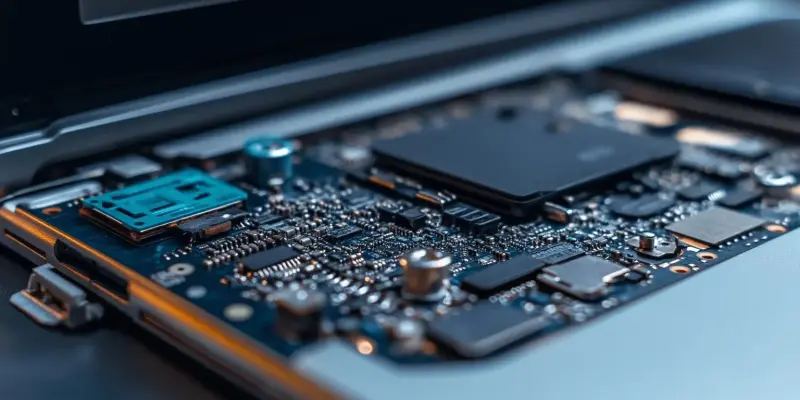
Imagine picking up a new laptop and knowing that every component inside it, from the motherboard to the ports, can be individually replaced or upgraded without having to buy an entirely new device. This transformative idea is what Intel aims to achieve with its latest proposal for new modular standards in laptop and mini PC design. They envision these standards lowering costs, reducing e-waste, and making sustainable technology more accessible.
Standardizing Modular Designs
Intel is pushing for standardized measurements for future laptop motherboards and I/O modules. This move is designed to simplify the design process and promote component interoperability across various manufacturers. With the initiative focusing on multiple aspects, including ports, motherboards, and cooling systems, the potential for enhancing repairability and upgradeability is significant. Laptop users would be able to upgrade their systems without discarding the entire device, a revolutionary concept in a market currently dominated by non-upgradable, closed-system designs.
Options for Various Laptop Sizes
Intel’s approach accommodates different laptop sizes and cooling systems. Standards are proposed for 14- and 16-inch laptops, supporting single- or dual-fan configurations to improve cooling efficiency. This flexibility ensures that users will have more choices, allowing them to select a system tailored to their performance needs and environmental conditions. By offering these varied options, Intel aims to make modular designs more appealing and practical for a broader audience, paving the way for widespread adoption.
Modular Mini PCs
In addition to laptops, Intel envisions making mini PCs more modular. They propose a 5L chassis design equipped with slide rails that would allow easy swapping of components like CPUs, memory, GPUs, and storage. This design would also extend to I/O ports, enabling easy customization and repair. With this level of modularity, users could continuously upgrade their systems with new technology, significantly enhancing the lifespan and functionality of their mini PCs.
Existing Modular Systems
Current market offerings from companies like Framework and MNT already provide some modularity in laptops. Framework allows users to switch out mainboards, ports, screens, and keyboards, but these options are limited to the company’s hardware ecosystem. Meanwhile, MNT provides capabilities to upgrade SoCs and other components, even allowing users to 3D print new chassis parts. These offerings demonstrate a growing demand for modular and upgradable systems, although they are somewhat restricted by their proprietary ecosystems.
The Right-to-Repair Movement
The push for modular laptops aligns closely with the right-to-repair movement, which advocates for users’ ability to repair and maintain their devices. This movement has traditionally focused on smartphones and agricultural equipment but is increasingly relevant to laptop users. Many are frustrated by newer models that do not support RAM and SSD upgrades, posing barriers to longevity and sustainability. Intel’s proposal could strengthen this movement by offering more repair-friendly and upgradeable options.
Future Prospects
If Intel’s proposal is widely accepted, it could create a landscape similar to the DIY PC market. In this environment, various components from multiple vendors would be compatible, offering consumers a broader range of choices and significant cost savings. This shift could substantially reduce e-waste and represent a considerable victory for right-to-repair advocates. Nevertheless, the success of such a modular laptop ecosystem hinges on widespread industry adoption.
Conclusion
Imagine getting a new laptop where every single component, from the motherboard to the various ports, can be individually replaced or upgraded without the need to purchase an entirely new device. This groundbreaking concept is what Intel aims to bring to life with its latest proposal for new modular standards in laptop and mini PC design. Intel’s vision is to create a system where users can easily swap out parts, thereby extending the life of their devices. This approach not only promises to significantly lower costs for consumers but also to make a meaningful impact on reducing electronic waste. By enabling users to update and repair their devices at a component level, Intel aims to make sustainable technology more accessible and environmentally friendly. The ability to upgrade bits and pieces of a laptop instead of discarding the whole thing aligns with modern sensibilities about conserving resources and minimizing our carbon footprint. These proposed standards could transform the tech industry, making it more adaptable and eco-conscious.