

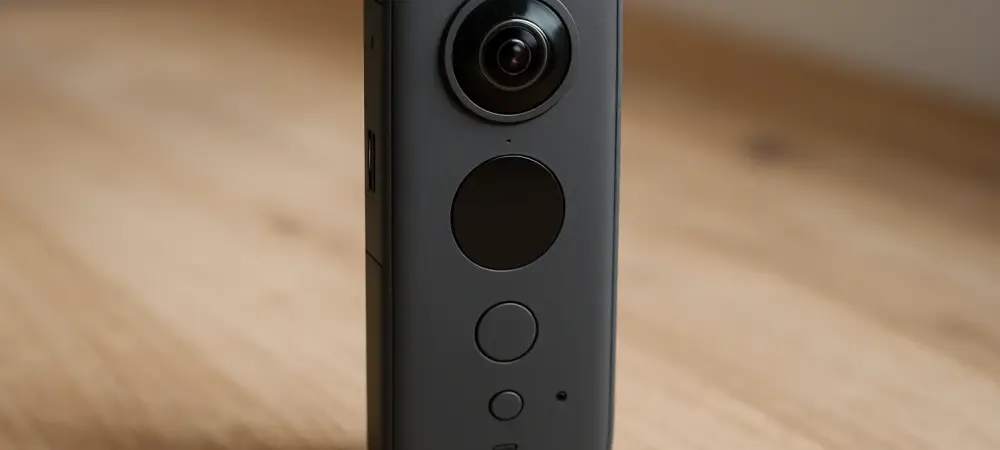
Welcome to an exciting conversation with Dominic Jainy, an IT professional whose deep knowledge of cutting-edge technologies extends into the realm of digital imaging and action cameras. With a background in artificial intelligence, machine learning, and blockchain, Dominic brings a unique perspective to how tech innovations shape consumer gadgets like action cameras. Today, we’re diving into the world of 360-degree video with a focus on a standout budget-friendly option that’s recently hit an all-time low price. In this interview, we’ll explore what makes this camera a game-changer for beginners and hobbyists, how its features stack up against competitors, and why it remains a top pick even with newer models on the market. Let’s get started!
What drew your attention to the Insta360 X3 as a standout option among budget-friendly action cameras?
I’ve always been fascinated by how technology can democratize creativity, and the X3 really nails that. At its core, it offers 360-degree video capabilities that rival much pricier options, making it a fantastic entry point for anyone curious about immersive content creation. What sets it apart is the balance of price and performance—you’re getting features like powerful stabilization and a user-friendly design without breaking the bank. It’s a tool that empowers casual users and hobbyists to experiment with perspectives you just can’t get with traditional cameras.
How do you think the recent price drop to $249.99 impacts its appeal for potential buyers?
This price drop is a game-changer. At under $250, it lowers the barrier for people who’ve been hesitant to invest in an action camera, especially one with 360-degree capabilities. It’s now within reach for students, casual adventurers, or even families wanting to capture unique vacation footage. Deals like this don’t come around often for high-quality gear, so it’s a sweet spot for anyone looking to dip their toes into this space without a huge financial commitment.
In your assessment, what are the key strengths that make the X3 such a highly rated device?
I’d say it’s a combination of thoughtful design and accessibility. The miniature size makes it incredibly portable—you can slip it into a pocket and barely notice it’s there, which is perfect for spontaneous shoots. Then there’s the interface, which is so intuitive that even someone who’s never touched an action camera can figure it out in minutes. And the magnetic mounting system? It’s a small but brilliant touch. It lets you snap the camera onto different surfaces or accessories quickly, saving time and hassle compared to fiddly traditional mounts.
Can you elaborate on how the large screen and stabilization features enhance the overall video experience with this camera?
Absolutely. The large screen is a lifesaver when you’re out in the field. It makes framing shots and reviewing footage so much easier, especially when you’re dealing with 360-degree content where perspective is everything. As for the stabilization—FlowState, as they call it—it’s seriously impressive. Whether you’re mountain biking down a rocky trail or skateboarding through a park, it smooths out the shakes and keeps your footage looking professional. It’s the kind of tech that lets you focus on the action without worrying about jittery results.
The Active HDR mode and editing tools are highlighted as major perks. How do these features benefit someone who’s new to action cameras?
For beginners, these features are like having a built-in coach. Active HDR really shines in tricky lighting situations—think bright sunlight with deep shadows during a hike. It balances those extremes so your video doesn’t end up washed out or too dark, which is a common frustration with cheaper cameras. The editing tools, meanwhile, are straightforward enough that you don’t need to be a pro to use them. You can reframe shots, tweak colors, or stitch clips together right from your phone or the camera itself. It’s empowering for someone just starting out to see polished results without a steep learning curve.
Even with newer models available, why do you believe the X3 still holds its ground as a solid choice?
Newer models will always have incremental upgrades, like better resolution or fancier sensors, but the X3 hits a sweet spot that’s hard to beat for the price. It’s got all the core features you need for stunning 360-degree content—stabilization, HDR, ease of use—and it’s proven reliable over time. For most users, especially those not chasing the absolute cutting edge, the X3 delivers more than enough power and versatility. It’s a testament to how well-designed it is that it remains relevant even as the market evolves.
What’s your forecast for the future of budget-friendly action cameras like the X3 in the coming years?
I think we’re going to see even more innovation in this space as competition heats up. Budget cameras will likely integrate more AI-driven features, like automated editing or smart framing, to make them even more accessible to beginners. Stabilization tech will keep improving, and I expect battery life to become a bigger focus as users demand longer shooting times. The trend of slashing prices on older but still capable models, like we’ve seen with the X3, will probably continue too, making high-end features available to a wider audience. It’s an exciting time for anyone looking to get into action videography without spending a fortune.