

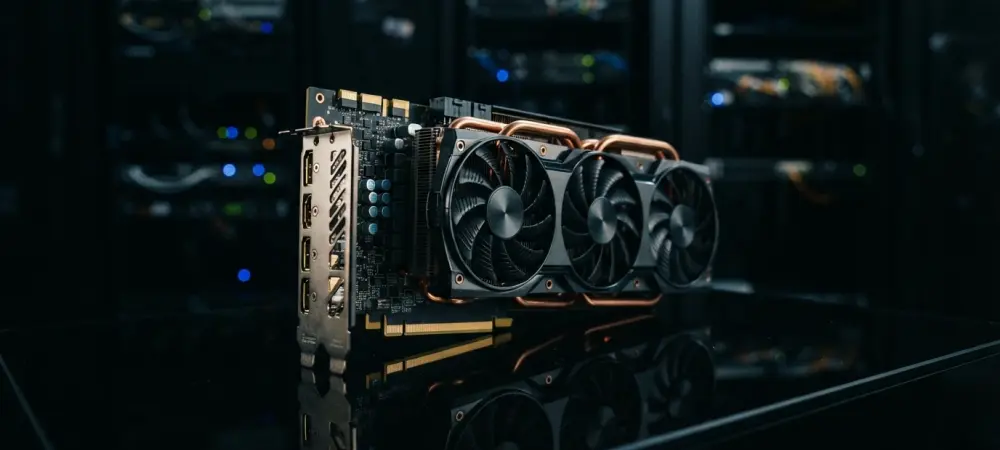
While the silicon chips powering global data centers were once viewed simply as hardware, they have morphed into a digital crude oil that fuels every major artificial intelligence breakthrough of our time. The modern world operates on an invisible currency of floating-point operations and GPU hours, where the ability to train a foundational model is inextricably linked to the physical availability of specific Nvidia transistors. Injective’s launch of perpetual futures for the Super Intelligence Compute Index (SICI) represents a tectonic shift in this landscape, moving high-performance computing away from rigid utility contracts and into the realm of liquid, tradable financial assets. This move signaled the arrival of an era where compute power is no longer just a line item on a balance sheet but a sophisticated asset class that can be hedged, leveraged, and traded 24/7 on a decentralized ledger.
The transition of high-performance computing from a background utility to a liquid asset class reflects the changing priorities of a world increasingly driven by machine learning. Injective’s move to bring the SICI to the decentralized derivatives market allowed for the first time a real-time valuation of the “brain power” of the modern world. By packaging the hourly rental costs of industry-standard GPUs into a perpetual contract, the protocol provided a mechanism for market participants to express a view on the future of AI infrastructure. This evolution suggests that as the demand for intelligence grows, the financial instruments supporting it must become as flexible and scalable as the code they empower.
Beyond the Hype: Why GPU Compute is the New Global Commodity
The massive capital expenditure landscape of the current decade forced a total rethink of how hardware is valued in the global economy. Tech giants like Meta and Microsoft are currently spending hundreds of billions on hardware, creating a high-stakes environment where the scarcity of silicon determines the speed of innovation. This landscape transformed GPUs into a form of Real-World Asset (RWA) evolution, where high-end chips are now utilized as collateral for multi-million dollar loan facilities. By treating compute as a tangible commodity, financial markets have allowed firms to stabilize their operations against the inherent volatility of the hardware supply chain.
Moreover, the volatility of the “neocloud” market creates significant risks for AI developers and GPU suppliers who must navigate unpredictable rental costs. A sudden surge in training demand can cause prices for on-demand instances to skyrocket, potentially derailing the development of new models. Conversely, a surplus of hardware could lead to a price crash that threatens the solvency of specialized cloud providers. Creating a derivatives market for these assets provides a necessary safety valve, allowing participants to transfer risk to those more willing to bear it, much like traditional energy markets do for oil and gas.
Decoding the SICI: A Weighted Approach to AI Infrastructure
The architecture of the Super Intelligence Compute Index reflects a calculated effort to capture the diverse reality of the modern hardware market. Rather than focusing on a single asset, the index utilized a weighted basket to provide a holistic view of the AI infrastructure sector. The Nvidia #00 SXM 80GB formed the anchor of the index with a 40% weight, acknowledging its status as the primary workhorse for enterprise-grade training. By including the cutting-edge B200 and ##00, the index accounted for the highest tier of performance, while the inclusion of the GeForce RTX 4090 at a 10% weight recognized the vital role of consumer-grade cards in the developer and inference community.
To ensure the integrity of this pricing model, Injective integrated data from LO:TECH, a London-based capital markets firm specialized in aggregating independent price data. This partnership ensured that the index was not reliant on a single marketplace but was instead a synthesis of real-world on-demand and spot rental rates across various venues. Moving from a single-asset contract toward a diversified basket allowed participants to mitigate the specific risks of hardware obsolescence. As hardware generations evolve between 2026 and 2030, a basket approach ensures that the index remains a relevant benchmark for the entire industry rather than becoming tied to a legacy chip.
Market Integrity and Institutional Guardrails
Maintaining stability in a market defined by rapid technological innovation required the implementation of sophisticated technical mechanics. The SICI utilized a seven-day trailing average to calculate its reference price, a move designed to smooth out the jagged volatility often seen in hourly rental listings. This approach provided a more predictable environment for long-term hedgers who prioritize price consistency over speculative noise. By dampening sudden fluctuations, the index became a viable tool for institutional players who required a disciplined pricing structure to justify participation in a decentralized derivative market.
Transparency and validation remained at the core of the process, with rigorous protocols in place to eliminate outliers and ensure venue-specific accuracy. This level of scrutiny was essential for building trust among market participants who were wary of price manipulation in relatively new on-chain markets. Furthermore, the development of these contracts prompted a nuanced dialogue between compute-linked contract advocates and regulatory bodies like the CFTC. These discussions highlighted the necessity of institutional-grade guardrails to manage the liquidity challenge. Ultimately, the depth of the order book and the consistency of the data will determine the long-term success of these perpetuals in the global financial ecosystem.
Strategic Frameworks: How to Utilize Compute Perpetuals
For AI research firms, these perpetuals offered a way to build a “Developer’s Hedge” against the rising cost of innovation. By taking a long position on the SICI, a company could effectively offset any increase in its cloud rental bills, as gains in the futures market would cover higher operational expenses. This strategy turned what was once a variable expense into a predictable budgetary component, allowing labs to focus on engineering rather than worrying about the next price hike in GPU availability. This financial predictability became a competitive advantage for firms operating on thin margins in the inference sector.
Conversely, GPU suppliers used these tools to lock in revenue and protect against a potential hardware supply glut. By shorting the index, a provider could hedge the value of their hardware fleet, ensuring that a drop in market rental rates did not compromise their ability to service the debt taken on to purchase the equipment. Meanwhile, speculators utilized the 10x margin and USDC collateral to capture price movements in the AI sector without needing to own physical hardware. These risk management protocols balanced the trade-offs between stability and real-time price discovery, creating a more mature environment for the compute market.
The implementation of these compute-linked derivatives provided a blueprint for how intangible technological resources were integrated into the global financial architecture. Organizations realized that the cost of intelligence was as critical to track as the price of energy or raw materials. This shift encouraged more transparency across decentralized marketplaces and prompted developers to seek out more efficient ways to allocate their training resources. As the ecosystem matured, the integration of real-time data feeds and institutional-grade oversight ensured that the market remained resilient against manipulation. Ultimately, the industry moved toward a future where the seamless exchange of compute power through financial instruments allowed for more sustainable growth across the entire artificial intelligence sector.