

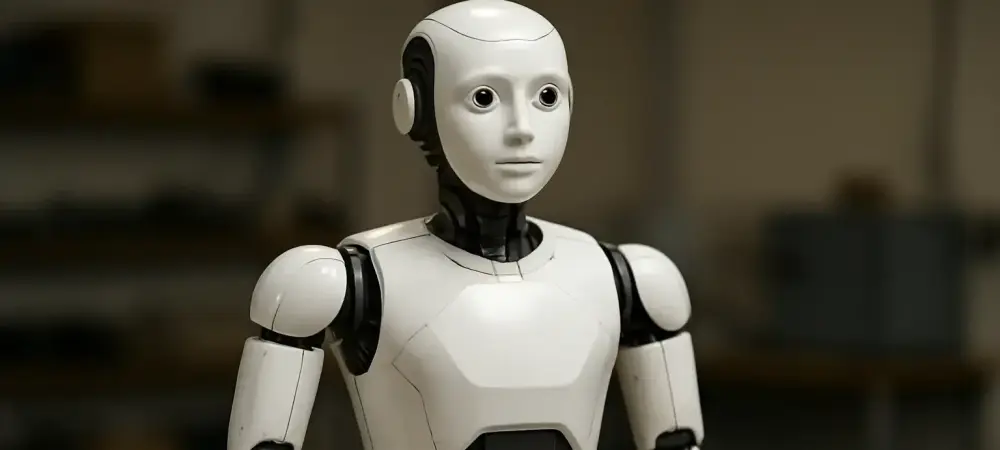
In a world where automation is becoming the backbone of industrial progress, the introduction of a humanoid robot that doesn’t break the bank is turning heads across multiple sectors. Enter a groundbreaking innovation from igus, a German motion plastics specialist, which has unveiled a game-changer in the form of a cost-effective robotic solution. Priced at around $54,500, this new entrant promises to bridge the gap between high-end technology and affordability, addressing a long-standing barrier to widespread adoption. Industry forecasts predict a staggering deployment of up to 20 million humanoid robots in industrial settings by 2030, underscoring the urgent demand for accessible automation. For many businesses, especially small and medium-sized enterprises, the prohibitive costs of such advanced machinery have kept progress just out of reach. This latest development aims to rewrite that narrative, offering a practical pathway to integrate cutting-edge robotics into everyday operations without the hefty price tag.
Breaking Down Cost Barriers in Robotics
The significance of affordability in robotics cannot be overstated, as it opens doors for industries previously sidelined by financial constraints. This humanoid robot, standing at 5 feet 7 inches, is not just a piece of machinery but a strategic tool designed for versatility across industrial, service, and transport sectors. Equipped with advanced features like two ReBeL Cobot arms, bionic hands, 3D cameras, and a lidar sensor, it can navigate complex environments and interact seamlessly with objects and people. Its ability to operate autonomously for up to eight hours, powered by proprietary Robot Control software, makes it a reliable asset for tasks ranging from reception services to facility transport. Moreover, igus has demonstrated confidence in its product by using it internally for tasks such as loading injection-molding machines. By pricing this robot significantly lower than competitors—often costing two to three times more—igus is challenging the status quo and making automation a feasible option for a broader range of companies looking to streamline operations.
Pioneering Accessibility Through Innovative Programs
Beyond just affordability, igus is redefining how businesses approach the adoption of robotics with forward-thinking initiatives. A standout feature of this launch is the “test before you invest” program, which allows companies to trial the robot on-site with expert support for deployment and feasibility assessments. This reduces the risk for hesitant businesses wary of investing in unproven technology, reflecting an industry-wide recognition that lowering upfront costs and uncertainties is key to encouraging adoption. The robot’s design, tailored for human-built environments, further amplifies its potential, as highlighted by igus business unit manager Jan Hennecke, who notes the vast opportunities in such settings. Looking back, the launch marked a pivotal moment in democratizing automation, addressing both financial and operational concerns with a blend of advanced functionality and strategic outreach. As a result, igus positioned itself as a catalyst for change, paving the way for greater acceptance of humanoid robots across diverse sectors with a clear focus on practical integration.