

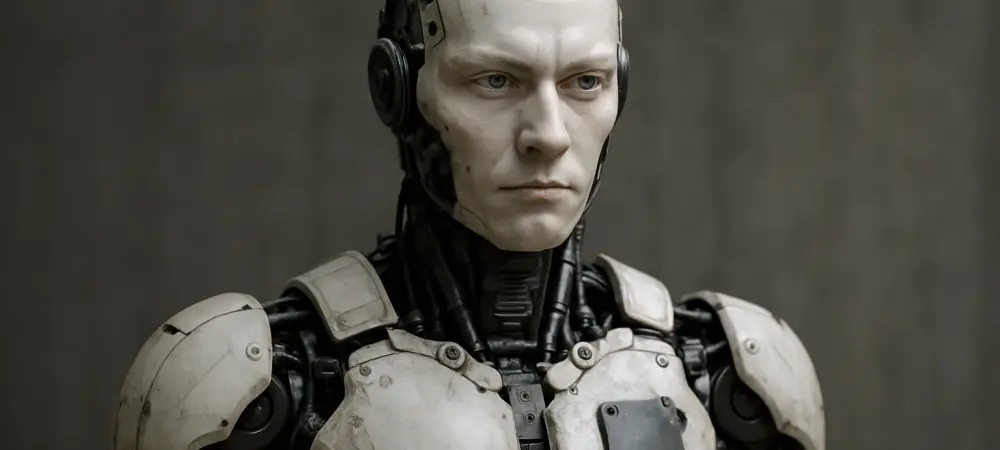
Imagine a world where robots don’t just perform mechanical tasks but become trusted companions in hospitals and homes, aiding in rehabilitation and eldercare with a gentle touch and empathetic understanding. This vision is no longer a distant dream, thanks to remarkable advancements in humanoid robotics. Fourier Intelligence, a leader in rehabilitation technology, has introduced the GR-3 humanoid robot, a device poised to transform how humans interact with machines in sensitive environments. This review explores the innovative design, cutting-edge features, and real-world potential of this groundbreaking robot, shedding light on its role in addressing pressing societal needs like caregiver shortages and patient support.
Key Features and Technological Edge
AI-Powered Intelligence with DeepSeek Collaboration
The GR-3 stands out due to its integration of advanced artificial intelligence, developed in partnership with DeepSeek, a prominent AI research entity. This collaboration has equipped the robot with sophisticated learning models that enable it to process complex instructions, adapt to unpredictable situations, and engage in meaningful interactions. Such capabilities are essential for tasks that require not just precision but also a nuanced understanding of human emotions and needs.
Beyond basic functionality, the AI system allows the GR-3 to learn from its environment continuously, refining its responses over time. This adaptability is particularly valuable in dynamic settings like healthcare facilities, where patient conditions and requirements can change rapidly. The result is a robot that doesn’t just follow commands but anticipates needs, creating a more seamless user experience.
Soft Design for Enhanced Safety
Safety is a cornerstone of the GR-3’s design, reflected in its soft exterior that minimizes any sense of threat during human interaction. Unlike traditional robots with rigid, industrial builds, this humanoid features materials and structures that prioritize comfort and security, especially in close-contact scenarios. This design choice makes it ideal for environments where trust and ease are paramount, such as eldercare centers.
Complementing its soft design, the GR-3 boasts full-body mobility and gesture recognition, enabling natural movements and responses to human cues. These features ensure that the robot can navigate crowded spaces or assist with delicate tasks without posing a risk. The emphasis on safety underscores Fourier Intelligence’s commitment to creating technology that integrates smoothly into human spaces.
Industry Trends and Human-Centric Focus
The robotics industry is undergoing a significant shift, moving away from purely industrial applications toward solutions that prioritize human interaction and emotional intelligence. This trend is evident in the growing demand for robots that can operate in everyday settings, from homes to hospitals, with an emphasis on adaptability and empathy. Fourier Intelligence aligns perfectly with this movement through the GR-3, which redefines what a humanoid robot can achieve beyond factory floors.
Unlike many experimental models that remain in the realm of showcases, the GR-3 is built for practical deployment, reflecting a broader industry push for accessibility. This focus on real-world integration sets it apart from competitors and highlights a pivotal change in how robotics companies approach design and functionality. The result is a product that feels less like a machine and more like a supportive partner.
A key aspect of this human-centric trend is the integration of safety and usability as core principles. By addressing these elements, Fourier ensures that the GR-3 isn’t just innovative but also relatable, meeting the needs of users who may initially be wary of robotic assistance. This approach signals a future where technology and humanity coexist more harmoniously.
Practical Applications in Healthcare and Beyond
One of the most promising arenas for the GR-3 is healthcare, where it can serve as an invaluable tool for patient support and rehabilitation. From assisting with physical therapy exercises to providing companionship for isolated individuals, the robot addresses critical gaps in care delivery. Its ability to perform repetitive tasks with precision allows caregivers to focus on more complex responsibilities.
In eldercare, the GR-3 offers a solution to the growing challenge of aging populations, helping seniors with daily activities while fostering a sense of independence. Its empathetic interaction style, powered by advanced AI, can reduce feelings of loneliness, a significant issue in many communities. This application demonstrates the robot’s potential to make a tangible difference in quality of life.
Beyond these sectors, there is scope for the GR-3 to support educational environments or assist in public spaces, adapting its skills to varied contexts. Each use case underscores the versatility of this technology, proving that its value extends far beyond a single niche. Such flexibility positions it as a multifaceted asset in addressing diverse societal challenges.
Challenges on the Horizon
Despite its impressive capabilities, the GR-3 faces hurdles that could impact its widespread adoption. Scaling the AI to handle even more intricate tasks remains a technical challenge, as does ensuring consistent performance across diverse environments. These limitations highlight areas where further development is needed to unlock the robot’s full potential.
Regulatory barriers also pose a significant obstacle, especially in healthcare settings where strict compliance with safety and ethical standards is mandatory. Navigating these frameworks will require Fourier Intelligence to invest in robust testing and certification processes, which could slow deployment timelines. Addressing these issues is crucial for gaining trust from institutions and end-users alike.
Competition from other humanoid robots, such as Tesla’s Optimus, adds another layer of complexity. While the GR-3 emphasizes practical usability over experimental flair, standing out in a crowded market demands continuous innovation and strategic positioning. Fourier’s ability to balance these challenges will determine the robot’s long-term success.
Future Outlook for Humanoid Robotics
Looking ahead, the trajectory of the GR-3 and similar technologies appears promising, with potential for deeper AI integration and broader applications over the next few years, from 2025 to 2027. Enhancements in cognitive abilities could enable even more personalized interactions, while expanded use cases might see robots like this entering new domains such as mental health support. These advancements signal an exciting evolution in the field.
The societal impact of such developments cannot be overstated, as robots become more embedded in daily life, reshaping how tasks are performed and relationships are built. The GR-3 could play a central role in this transformation, bridging gaps between technology and human needs. Its progress will likely serve as a benchmark for future innovations in the sector.
Ultimately, the focus must remain on ensuring that these advancements prioritize accessibility and ethical considerations. As humanoid robotics continues to mature, balancing cutting-edge features with user trust will be key to fostering acceptance. The GR-3’s journey offers a glimpse into how this balance might be achieved, paving the way for a more integrated future.
Final Thoughts and Next Steps
Reflecting on the evaluation, it becomes clear that Fourier Intelligence has crafted a remarkable tool with the GR-3, blending advanced AI, safety-focused design, and practical intent into a cohesive package. Its standout performance in human-centric applications has set a high standard, distinguishing it within a competitive landscape. The emphasis on real-world usability has proven to be a defining strength.
Moving forward, stakeholders should prioritize addressing the technical and regulatory challenges that emerged during the review process. Collaborative efforts between developers, policymakers, and end-users could streamline solutions, ensuring faster integration into critical sectors like healthcare. Investing in public awareness campaigns to highlight the benefits of such robots might also accelerate acceptance.
As a final consideration, the industry should explore partnerships that enhance cross-sector applications, pushing the boundaries of what humanoid robots can achieve. By focusing on these actionable steps, the legacy of innovations like the GR-3 could extend far beyond current expectations, fostering a new era of human-robot collaboration.