

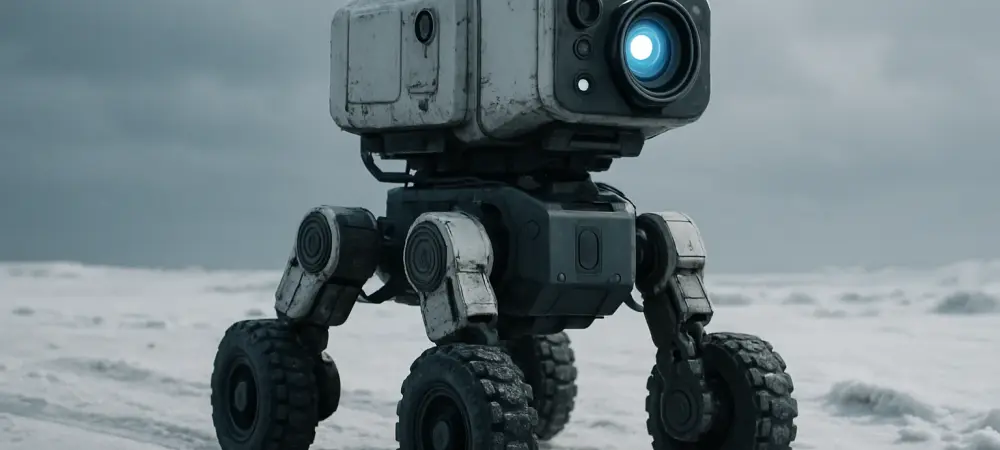
Imagine a high-stakes raid on a suspected hideout, where instead of human agents breaching the door, a robot with a rotating claw arm takes the lead, climbing stairs and deploying smoke bombs while streaming live footage to operators. This is no longer a scene from a sci-fi movie but a reality for U.S. Immigration and Customs Enforcement (ICE), an agency rapidly transforming its operations through advanced surveillance and tactical robotics. This review delves into the cutting-edge tools ICE has integrated into its enforcement strategies, examining their features, performance, and the broader implications for both operational efficiency and societal impact. The focus centers on how these technologies are reshaping immigration enforcement in an era of heightened automation.
Key Technologies in ICE’s Arsenal
Icor Technology Robot: A Tactical Powerhouse
At the forefront of ICE’s robotic acquisitions stands a sophisticated machine purchased from Icor Technology, now under Cadre Holdings, for a substantial $78,000. This robot is equipped with a rotating claw arm capable of manipulating objects like door handles, alongside the ability to navigate challenging terrain by climbing stairs. Its tactical features extend to deploying smoke bombs or chemical grenades during high-risk operations, making it a formidable asset in property raids. Additionally, a wide-angle camera provides comprehensive surveillance, allowing operators to assess situations remotely and reduce direct human exposure to danger.
Beyond its physical capabilities, this robot represents a leap in operational efficiency for ICE. Designed for scenarios where precision and safety are paramount, it enables agents to handle volatile environments with minimal risk. The integration of such a tool underscores a strategic emphasis on leveraging technology to maintain control in unpredictable enforcement settings, highlighting a shift toward mechanized intervention over traditional manpower.
Broader Surveillance and Robotics Portfolio
ICE’s technological expansion doesn’t stop at a single robot. The agency has invested heavily in a range of surveillance tools, including AI-powered facial recognition systems and drones, to enhance monitoring capabilities. A notable $515,000 procurement of small unmanned aircraft systems through Atlantic Diving Supply (ADS) exemplifies this trend, providing aerial oversight for border control and large-scale operations. Additionally, devices known as Stingrays, which mimic cell towers to track mobile devices, have been added to the toolkit for precise location data collection.
Complementing these are prior acquisitions of robotic systems from Recon Robotics and Axon, tailored for high-risk property entries. Each piece of equipment serves a distinct purpose, from ground-based tactical support to airborne reconnaissance, creating a multi-layered approach to enforcement. This diverse array of gear not only amplifies ICE’s reach but also raises questions about the balance between technological advancement and individual privacy, a concern that continues to shadow these developments.
Performance and Operational Impact
Deployment in Real-World Scenarios
The practical application of ICE’s surveillance robotics reveals their transformative potential in immigration enforcement. During property raids, robots like the Icor Technology model take center stage, breaching entry points and neutralizing threats without endangering agents. Their ability to stream live footage ensures real-time decision-making, allowing teams to adapt to unfolding situations with unprecedented accuracy. Such deployments have proven effective in minimizing casualties during confrontations, showcasing a clear operational advantage.
In border control operations, drones and unmanned aircraft systems extend ICE’s visibility over vast and often inaccessible terrains. These tools enable continuous monitoring of movement patterns, identifying potential crossings or unauthorized activities from a safe distance. The synergy of ground robots and aerial surveillance creates a comprehensive enforcement net, significantly enhancing the agency’s ability to respond swiftly to dynamic challenges along borders and within urban settings.
Strategic Shift Toward Automation
A discernible trend in ICE’s approach is the pivot toward automation, reducing reliance on human agents in hazardous missions. This shift aligns with preparations for an agent hiring surge, paired with substantial investments in high-tech gear over the coming years from 2025 onward. By integrating robotics and surveillance systems, the agency aims to optimize resource allocation, directing personnel to strategic roles while machines handle frontline risks. This dual focus on manpower and technology suggests a long-term vision of efficiency-driven enforcement.
The implications of this trend extend beyond immediate operations. Automation allows for sustained surveillance over extended periods, capturing data that can inform future tactics. However, this relentless monitoring capability also intensifies scrutiny over how such power is wielded, particularly in communities already wary of enforcement overreach. The balance between safety and oversight remains a critical point of evaluation as ICE continues to expand its technological footprint.
Challenges and Ethical Dilemmas
Privacy and Community Concerns
The adoption of advanced surveillance robotics by ICE has sparked significant debate over privacy rights and the potential for misuse. Tools like Stingrays and facial recognition systems can collect vast amounts of personal data, often without transparent oversight, raising alarms among privacy advocates. Critics, including Albert Fox Cahn of the Surveillance Technology Oversight Project, argue that these technologies disproportionately target vulnerable immigrant populations, fostering fear and distrust within communities already under strain.
Moreover, the militarization of ICE operations through tactical robots and weaponry amplifies concerns about excessive force. The image of robotic agents equipped with chemical grenades patrolling neighborhoods can exacerbate tensions, creating a perception of hostility rather than protection. Addressing these apprehensions requires clear guidelines on deployment and data usage, a step that remains elusive amid ongoing public backlash.
Technical and Regulatory Hurdles
Beyond ethical issues, technical limitations pose challenges to the seamless integration of these technologies. Robots and drones, while advanced, are not immune to malfunctions or environmental constraints, such as difficult terrain or signal interference, which can hinder performance in critical moments. Additionally, the regulatory landscape surrounding surveillance tools remains murky, with insufficient frameworks to govern their application in civilian contexts. This gap leaves room for potential overreach, further complicating public acceptance.
Efforts to mitigate these issues are underway, though progress is slow. Establishing robust accountability measures and ensuring compliance with privacy laws are essential to legitimize the use of such gear. Without these safeguards, ICE risks alienating the very communities it operates within, underscoring the need for a balanced approach that prioritizes both innovation and responsibility.
Final Thoughts and Next Steps
Reflecting on this evaluation, ICE’s investment in surveillance robotics and tactical tools marks a pivotal moment in redefining immigration enforcement through technology. The Icor Technology robot, alongside drones and Stingrays, demonstrates remarkable capabilities in enhancing operational safety and reach during high-risk missions. Yet, the ethical dilemmas surrounding privacy invasion and community impact cast a shadow over these advancements, revealing a complex interplay between progress and responsibility.
Looking ahead, a critical next step involves fostering transparent dialogue between ICE, policymakers, and community stakeholders to establish clear boundaries for technology use. Developing stricter regulations on data collection and deployment protocols could mitigate public concerns, ensuring that innovation does not come at the expense of trust. Additionally, investing in community engagement initiatives might help bridge the gap, reframing robotics as tools for safety rather than intimidation. These actions, if prioritized, offer a pathway to harmonize technological growth with societal values, setting a precedent for responsible enforcement in an automated age.