

Introduction to Foldable Innovation
In a rapidly evolving smartphone market, foldable devices have emerged as a symbol of cutting-edge technology, blending portability with expansive displays to redefine user experiences and cater to modern demands. The growing demand for such gadgets highlights a shift toward innovative designs that balance functionality and style, yet high costs have often kept them out of reach for many consumers. This FAQ article aims to explore a notable contender in this space, addressing key questions about its features, pricing, and market impact, while providing clear insights for tech enthusiasts and potential buyers alike.
The focus here is on delivering comprehensive answers about a recently launched clamshell foldable smartphone that promises affordability without sacrificing quality. Readers can expect detailed explanations of its design, specifications, and positioning within the competitive landscape of foldable technology. By breaking down complex aspects into digestible information, this piece serves as a guide for understanding what sets this device apart.
This discussion also sheds light on broader trends in the industry, particularly how manufacturers are striving to make foldable phones more accessible. Through targeted questions and answers, the content aims to equip readers with the knowledge needed to evaluate whether this smartphone aligns with their needs and preferences.
Frequently Asked Questions About the Device
What Is the Pricing Structure and Availability of This Foldable Smartphone?
Understanding the cost of a foldable device is crucial, as pricing often determines its accessibility to a wider audience. The smartphone in question is offered at a competitive price point, with the 256GB variant priced at CNY 3,388 (approximately $41,900) and the 512GB version at CNY 3,688 (approximately $45,600). These figures position it as a more budget-friendly option compared to many other foldable models on the market. This pricing strategy addresses the challenge of making advanced technology attainable for cost-conscious consumers. Unlike premium foldables that often exceed higher price brackets, this device targets a demographic eager to experience foldable innovation without breaking the bank. Its availability in multiple storage configurations further caters to varying financial considerations and usage needs.
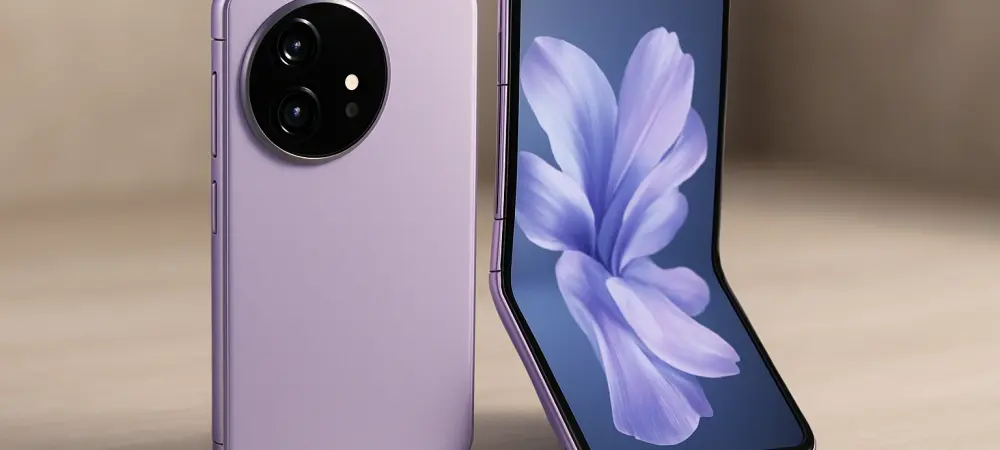
The device also comes in an array of color options, such as New Green, Zero White, Sakura Pink, Star Black, Sky Blue, and Feather Sand Black, appealing to diverse aesthetic tastes. This combination of affordability and variety enhances its attractiveness, ensuring it stands out as a viable choice for those exploring foldable smartphones for the first time.
What Are the Display Features and Design Highlights?
Display quality and design are pivotal in foldable smartphones, as they directly impact user interaction and overall appeal. This device boasts a 6.94-inch full-HD+ OLED foldable internal screen with a resolution of 2690×1136 pixels, featuring a 120Hz LTPO adaptive refresh rate and 1440Hz high-frequency PWM dimming for seamless visuals. Additionally, a 300Hz touch sampling rate ensures responsive navigation.
Complementing the main display is a 2.14-inch OLED cover screen with a 480×480-pixel resolution, designed with rounded corners for a modern, sleek appearance. This external display facilitates quick access to notifications and basic functions without the need to unfold the device, aligning with current trends that emphasize convenience in foldable technology.
Beyond visuals, the design prioritizes portability, with a slim profile of 6.88mm when unfolded and a lightweight build of 195 grams. These attributes make it easy to carry and handle, addressing common concerns about the bulkiness often associated with foldable phones, while maintaining a premium look and feel that rivals more expensive counterparts.
What Can Be Expected from Its Performance and Software?
Performance and software capabilities are key considerations for any smartphone, especially in a category as innovative as foldables. While official details on the chipset and RAM remain unconfirmed by the manufacturer, industry speculation points to the inclusion of a Kirin 8000 processor, similar to earlier models in the series, suggesting reliable performance for everyday tasks and multitasking. Running on HarmonyOS 5.1 out of the box, the device reflects a commitment to a proprietary operating system, offering a unique user interface amid global software challenges faced by the brand. This OS integration aims to provide a smooth and customized experience, distinguishing it from competitors reliant on more mainstream platforms.
Storage options of 256GB and 512GB cater to diverse user requirements, whether for casual use or heavy data storage needs. This flexibility ensures that the smartphone can adapt to different lifestyles, making it a practical choice for users seeking a balance between performance and capacity in a foldable form factor.
How Does the Camera System Perform Across Different Scenarios?
Camera capabilities are often a deciding factor for smartphone purchases, and foldables are no exception in meeting high expectations for photography. The device features a dual rear camera setup, including a 50-megapixel primary sensor with an f/1.9 aperture and an 8-megapixel ultra-wide-angle sensor with an f/2.2 aperture, capable of recording videos in 4K resolution for detailed and vibrant footage.
For selfies and video calls, a 32-megapixel front camera with an f/2.2 aperture is integrated into the inner display, ensuring clarity in personal imaging. These specifications provide versatility, allowing users to capture a wide range of scenes, from expansive landscapes to close-up portraits, with commendable quality.
It should be noted that photo results may vary depending on the selected shooting mode, a common consideration in smartphone photography. This caveat highlights the importance of experimenting with settings to achieve optimal outcomes, reinforcing the device’s potential as a reliable tool for both casual and creative photographers.
What Are the Battery Specifications and Security Features?
Battery life and security are essential aspects that influence user satisfaction with any mobile device. This foldable smartphone is equipped with a 4,400mAh battery, supported by 66W fast wired charging, striking a balance between capacity and recharge speed to meet the demands of modern, on-the-go lifestyles.
This power setup aligns with industry standards for foldable devices, ensuring users can rely on sustained usage without frequent interruptions for charging. The inclusion of fast charging technology addresses the need for quick power-ups, especially beneficial for those with busy schedules or heavy usage patterns.
Security is handled through a side-mounted fingerprint sensor, offering a convenient and efficient method for device unlocking and authentication. This feature, now a staple in contemporary smartphones, provides peace of mind by safeguarding personal data, making it a practical addition to the overall user experience.
How Does This Device Reflect Broader Market Trends in Foldable Technology?
The launch of this smartphone underscores significant trends in the foldable market, particularly the push toward democratization of advanced technology. Manufacturers are increasingly focusing on lowering price barriers, making foldables accessible to a broader consumer base while maintaining essential features that define the category.
By blending affordability with innovation, the device illustrates a strategic approach to capturing market share among both tech enthusiasts and budget-conscious buyers. Its competitive pricing and stylish design signal a shift in how foldable smartphones are perceived, moving from niche luxury items to mainstream options.
This trend also reflects a growing emphasis on user-centric design, where functionality, aesthetics, and cost are harmonized to appeal to diverse demographics. As foldable technology continues to evolve, devices like this one pave the way for wider adoption, reshaping expectations and setting new benchmarks for what consumers can anticipate from future releases.
Summary of Key Insights
This FAQ has addressed critical aspects of a standout foldable smartphone, covering its pricing at CNY 3,388 for 256GB and CNY 3,688 for 512GB, alongside an impressive array of color choices. The discussion highlighted the advanced display features, including a 6.94-inch OLED internal screen and a 2.14-inch cover screen, paired with a slim, lightweight design for enhanced portability.
Further exploration revealed insights into its speculated Kirin 8000 processor, HarmonyOS 5.1 software, robust camera system with a 50-megapixel primary sensor, and a 4,400mAh battery with 66W fast charging. Security via a side-mounted fingerprint sensor and the device’s alignment with market trends toward affordability and innovation were also emphasized as key takeaways.
For readers seeking deeper information, exploring official manufacturer announcements or tech review platforms can provide additional perspectives on performance benchmarks and user feedback. Staying updated on industry developments ensures a comprehensive understanding of how foldable technology continues to transform the smartphone landscape.
Final Thoughts on Foldable Accessibility
Reflecting on the insights shared, it becomes evident that the foldable smartphone market has taken a significant leap forward with devices that balance cost and cutting-edge features. This particular model stands as a testament to how technology can be made inclusive, inviting a wider audience to embrace the future of mobile design.
As a next step, potential buyers are encouraged to evaluate personal needs against the specifications discussed, considering factors like storage requirements and camera usage in daily routines. Visiting authorized retailers for hands-on experience has proven beneficial in making informed decisions about adopting such innovative devices.
Looking ahead, staying attuned to upcoming releases and software updates offers a way to anticipate enhancements that could further refine the foldable experience. Engaging with tech communities also provides valuable user insights, fostering a proactive approach to navigating this dynamic and exciting segment of consumer electronics.