

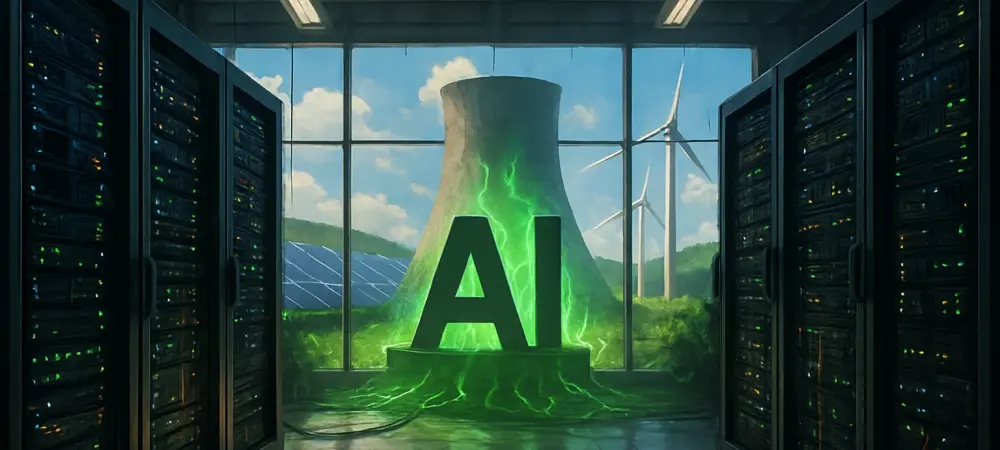
I’m thrilled to sit down with Dominic Jainy, a seasoned IT professional whose deep expertise in artificial intelligence, machine learning, and blockchain offers a unique perspective on the intersection of technology and energy infrastructure. With a keen interest in how emerging technologies can transform industries, Dominic is the perfect person to help us unpack the implications of major utility investments, like PG&E’s $73 billion commitment to transmission infrastructure, and their impact on the booming data center sector. In this conversation, we’ll explore how such investments fuel the growth of AI-driven data centers, the challenges they pose to grid stability, and the critical need for collaboration between tech and utility sectors to balance digital expansion with sustainable energy solutions.
Can you walk us through what PG&E’s $73 billion investment in transmission infrastructure means for the future of data centers in California?
Absolutely, Maison. This investment is a game-changer for data centers, particularly in California, where the demand for digital infrastructure is skyrocketing. PG&E’s plan to support 10 gigawatts of new electricity demand over the next decade directly addresses the power-hungry nature of modern data centers, especially those driving AI workloads. It’s about building a robust transmission network to handle this massive load without risking blackouts or instability. Northern California, in particular, is a hotbed for hyperscale and AI-driven projects due to its proximity to tech hubs, access to talent, and favorable business environment. This investment signals that the region is gearing up to remain a leader in digital innovation by ensuring the energy backbone is there to support it.
How do the unique power demands of AI hardware impact grid stability compared to traditional data center needs?
AI hardware, like high-powered GPUs and CPUs, is on a different level from traditional data center equipment. A single GPU can draw up to 1.4 kilowatts, and CPUs are pushing 500 watts, not to mention the dense networking gear. This creates an enormous, concentrated demand for power that traditional setups just didn’t require. Beyond the sheer volume, AI workloads are incredibly volatile—they spike and drop rapidly as clusters sync data during operations. These sudden shifts can destabilize the grid, unlike the steady, predictable loads grid engineers prefer. It’s a real challenge because these fluctuations happen in lockstep across entire clusters, putting stress on both internal power distribution and the external grid.
What are some immediate issues caused by these fluctuating power loads, and how are tech companies tackling them?
The biggest short-term issue is the strain from these spiking loads, which can lead to power quality issues or even localized outages if not managed properly. Imagine thousands of GPUs all hitting peak draw at the same time—it’s a nightmare for grid operators. Companies are stepping up with innovative solutions, though. Some are deploying software to smooth out demand patterns, spreading workloads to avoid simultaneous peaks. Others are integrating hardware fixes, like supercapacitors in power supply units, to buffer those spikes. It’s not a complete fix yet, but it shows the industry is aware of the problem and actively working to mitigate the impact on grid stability.
Why is collaboration between data centers and utilities so crucial for managing this surge in energy demand?
Collaboration is everything right now. Data centers can’t just keep pulling more power without considering the grid’s limits, and utilities like PG&E can’t upgrade infrastructure fast enough without input from the tech side. Working together ensures that digital growth doesn’t outstrip energy capacity. Data centers can adopt strategies like demand response—shifting non-critical workloads to off-peak times—or even invest in on-site power generation to ease the burden. Meanwhile, utilities need early alignment on things like site selection and permitting to plan transmission upgrades effectively. It’s a two-way street; without this partnership, we risk delays, inefficiencies, or worse, grid failures that could halt tech progress.
How do infrastructure investments like PG&E’s enable the scalability and innovation needed for AI-driven data centers?
These investments are foundational. They’re not just about delivering more power—they’re about creating a grid that can handle the unique needs of AI data centers, like scalable power delivery for rapid expansion or supporting innovations in cooling systems, which are critical as hardware density increases. Without upgraded transmission and distribution networks, even the most cutting-edge facilities would hit a wall due to energy constraints. This kind of spending also paves the way for modular growth, allowing data centers to expand incrementally without overwhelming the system. It’s about building a future-proof energy ecosystem that can keep pace with AI’s relentless appetite for power.
What broader challenges do utilities face as data center demand continues to grow at this rapid pace?
Utilities are up against a lot. Aging infrastructure is a huge hurdle—many transmission assets weren’t built for today’s loads, let alone tomorrow’s. Then you’ve got long interconnection queues, where new projects wait years to get hooked up to the grid, compounded by equipment shortages and supply chain delays. Add to that climate-related stresses—wildfires, heatwaves, and the push to integrate more renewables—and it’s a complex puzzle. Utilities have to balance safety, reliability, and sustainability while accommodating massive new demands. It’s a tall order, and without strategic planning and investment, these bottlenecks could slow down data center growth significantly.
What is your forecast for the future of data center and utility collaboration in supporting AI and digital innovation?
I’m optimistic, Maison. We’re at a turning point where both sides recognize they can’t operate in silos anymore. I expect to see tighter partnerships, with data centers becoming more proactive in energy management—think advanced load forecasting and even co-investing in grid upgrades. Utilities, on their part, will likely accelerate modernization efforts, leveraging tech like AI themselves to optimize grid operations. The next decade will be about integration—blending digital and energy strategies to create a symbiotic relationship. If we get this right, we’ll not only support AI and digital growth but also build a more resilient, sustainable energy future. If we don’t, the risks of delays and disruptions could set back innovation significantly.