

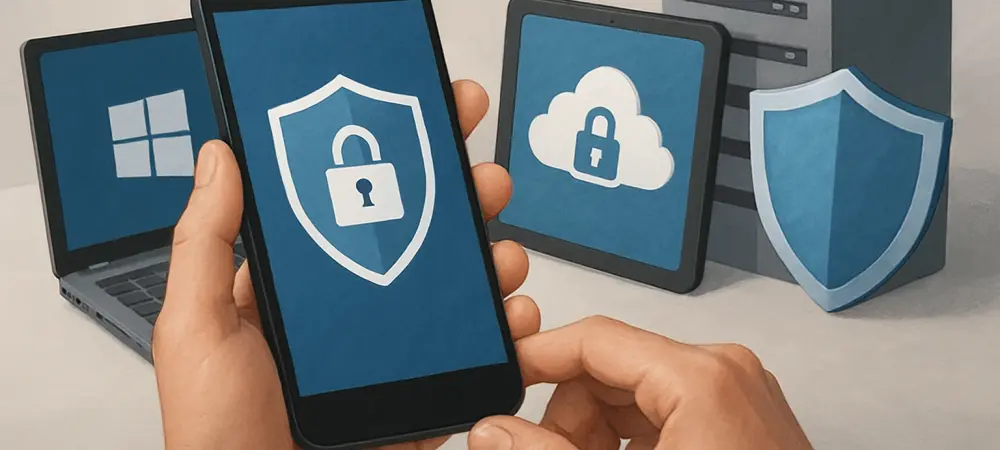
What happens when the very tools employees use to access corporate systems become gateways for cyber threats? In an era where mobile devices are indispensable to enterprise operations, a staggering 10% of these devices in corporate settings may be compromised through jailbreaking or rooting, according to recent studies. Microsoft is stepping up with a groundbreaking security feature for its Authenticator app, set to automatically wipe enterprise credentials from such vulnerable devices. This initiative, rolling out in February 2026, aims to shield sensitive data from lurking dangers, sparking a vital conversation about mobile security in the workplace.
Why This Matters: The Enterprise Security Crisis
The significance of Microsoft’s upcoming update cannot be overstated. With mobile devices increasingly serving as entry points to corporate networks, the risks posed by jailbroken iOS and rooted Android devices have escalated into a critical concern. These modifications strip away built-in security barriers, leaving devices susceptible to malware and credential theft. By targeting Microsoft Entra credentials for removal on compromised devices, Microsoft addresses a pressing vulnerability, setting a precedent for how tech giants can proactively protect organizational data in a mobile-first world.
Unseen Dangers: The Reality of Jailbroken Devices
Jailbreaking an iPhone or rooting an Android device might seem like a harmless way to customize functionality, but the consequences are far from trivial. Such actions disable essential security protocols, making it easier for attackers to install malicious software or steal login credentials. A 2023 cybersecurity report revealed that nearly 15% of enterprise credential theft incidents stemmed from compromised mobile devices. This alarming statistic highlights why unchecked modifications pose a direct threat to the integrity of corporate systems, pushing companies to rethink device security.
Microsoft’s Strategy: A Proactive Defense Mechanism
Microsoft’s response to this growing threat is both innovative and decisive. Starting in February 2026, the Authenticator app will detect jailbroken and rooted devices, automatically wiping Microsoft Entra credentials without requiring IT intervention. This “secure by default” approach ensures uniform protection across iOS and Android platforms, eliminating the need for complex configurations. Importantly, the policy spares personal Microsoft accounts and third-party credentials, striking a balance between stringent security and user convenience.
The precision of this feature reflects a deep understanding of enterprise needs. By focusing solely on corporate credentials, Microsoft minimizes disruption to personal use while closing a significant security gap. This automated solution also reduces reliance on user compliance, a common weak link in cybersecurity frameworks, ensuring that protection is immediate and consistent across the board.
Expert Perspectives: A Step Toward Industry Standards
Industry leaders are taking notice of Microsoft’s forward-thinking policy. A prominent cybersecurity analyst remarked, “This kind of application-level safeguard is a game-changer—it enforces security without overloading IT teams or depending on end-user behavior.” Such measures align with a broader trend of prioritizing mobile security, as companies recognize the role of smartphones and tablets as critical access points. Microsoft’s initiative could inspire other tech firms to adopt similar protections, potentially raising the bar for baseline security standards.
Beyond individual endorsements, the move resonates with documented concerns in the field. Reports indicate that compromised devices often serve as entryways for larger network breaches, costing organizations millions in damages annually. By embedding security directly into the Authenticator app, Microsoft offers a practical solution that could redefine how mobile credentials are protected in enterprise environments.
Getting Ready: Steps for a Smooth Transition
With the rollout date of February 2026 approaching, preparation is essential for organizations and users alike. Microsoft strongly recommends that companies begin communicating this change to employees now, ensuring those using jailbroken or rooted devices are aware of the upcoming impact on their access to corporate resources. Clear messaging can prevent confusion and reduce the burden on support teams when the policy takes effect.
Additionally, organizations should provide actionable guidance to affected users. Encouraging a switch to non-modified devices or offering instructions to reverse jailbreaking and rooting can help maintain seamless access to Microsoft Entra credentials. Leveraging the time between now and the implementation date allows IT departments to update device management practices, aligning with Microsoft’s vision of proactive security.
Beyond immediate actions, this transition offers a chance to reassess broader mobile security policies. Companies can use this as a catalyst to educate staff on the risks of device modifications and the importance of adhering to security guidelines. A well-informed workforce is often the first line of defense against emerging cyber threats.
Reflecting on Impact: A Safer Digital Landscape
Looking back, Microsoft’s decision to implement an automatic credential wipe on jailbroken and rooted devices marked a pivotal moment in enterprise security. This bold step addressed a long-standing vulnerability, reinforcing the importance of protecting mobile access points to corporate networks. It also highlighted a shift in how tech leaders tackled cybersecurity challenges, prioritizing automated, application-level solutions over manual oversight.
As organizations adapted to this change, the focus shifted toward building stronger device management frameworks for the future. The initiative served as a reminder that safeguarding sensitive data required constant vigilance and innovation. Moving forward, businesses were encouraged to invest in employee education and robust security tools, ensuring that mobile devices remained assets rather than liabilities in the ever-evolving digital landscape.