

Today, we’re thrilled to sit down with Dominic Jainy, a seasoned IT professional with deep expertise in artificial intelligence, machine learning, and blockchain. With a passion for applying cutting-edge technologies to solve real-world challenges, Dominic brings a unique perspective on how innovation can intersect with sustainability. In this conversation, we dive into the ambitious US expansion of a UK-based data center company, exploring their groundbreaking project in Lansing, Michigan. We’ll touch on their mission to decarbonize heat, the strategic partnerships driving this initiative, the economic and environmental impacts for local communities, and the hurdles they face along the way. Let’s get started.
How did the mission to decarbonize heat become a central focus for initiatives like the one in Lansing, and what inspired this push toward sustainability?
The drive to decarbonize heat stems from a growing recognition that data centers, while critical to our digital world, are massive energy consumers. A significant portion of that energy is lost as heat, which is often just vented into the atmosphere. The inspiration comes from a desire to turn this waste into a resource—capturing and reusing heat aligns with broader goals to reduce carbon footprints and combat climate change. It’s about reimagining how technology can serve both people and the planet, creating a win-win scenario where energy efficiency meets community needs.
What makes capturing and reusing wasted heat such a game-changer in the broader fight for environmental sustainability?
Capturing wasted heat flips the script on how we view energy in data centers. Instead of seeing heat as a byproduct to be managed, it becomes a valuable asset. By redirecting this heat into systems like district heating or local hot water networks, we’re cutting down on the need for fossil fuel-based heating. This reduces greenhouse gas emissions significantly and sets a precedent for circular energy models. It’s a practical step toward a more sustainable future, showing that tech and environmental goals can go hand in hand.
Why was Lansing, Michigan, selected as the ideal location for this pioneering data center project in the US?
Lansing stood out for a few key reasons. First, it has a progressive municipal utility in the Lansing Board of Water & Light, which was open to innovative partnerships. The city’s downtown area also offered underutilized spaces like surface parking lots, perfect for urban infill projects. Additionally, Lansing’s leadership showed a strong commitment to economic development and sustainability goals, aligning perfectly with the vision of transforming local energy landscapes. It felt like the right place to plant a flag in the US.
Can you walk us through how the partnership with Lansing Board of Water & Light enables the supply of free, carbon-neutral heat to the community?
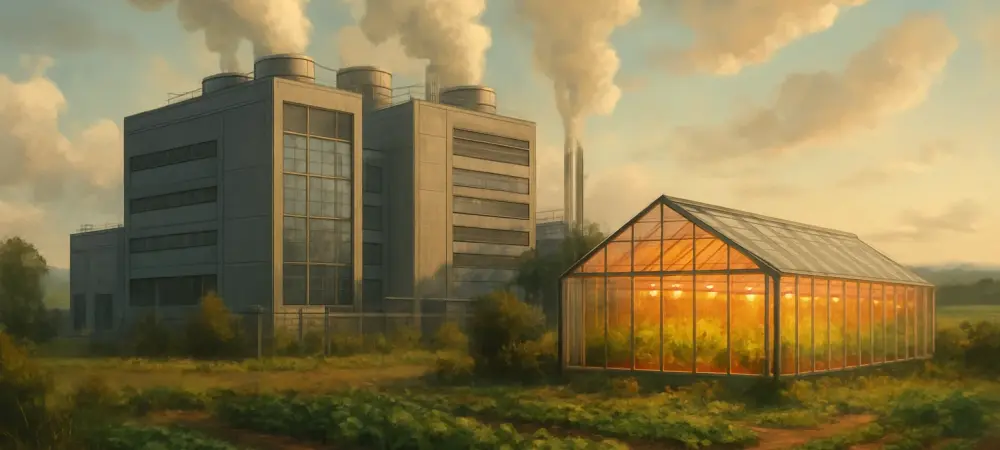
The partnership is built on a shared vision of sustainability. The data center generates a tremendous amount of heat from its high-performance computing servers. Instead of letting that heat go to waste, it’s captured and fed directly into BWL’s hot water system. This system then distributes the heat to homes and businesses as a carbon-neutral alternative to traditional heating methods. It’s a seamless integration that leverages existing infrastructure while pushing the envelope on green energy solutions.
What kind of impact do you anticipate this project will have on the residents of Lansing, both environmentally and economically?
Environmentally, this project cuts down on carbon emissions by reducing reliance on natural gas for heating, which is a big step toward cleaner air and a smaller carbon footprint for the city. Economically, it’s expected to generate over $1 million in annual revenue for Lansing, which can fund essential services like police, firefighters, and social programs. Plus, there’s the potential for job creation during construction and operation, alongside stabilizing utility rates for residents by minimizing future increases. It’s a holistic boost for the community.
With construction set to begin in spring 2026 and a potential launch by early 2027, what are the key milestones you’re aiming to hit along the way?
The timeline is ambitious but achievable. By early 2026, we’re focused on finalizing permits and breaking ground in the spring. From there, the construction phase will prioritize building out the two-story, 25,000 square foot facility with advanced cooling systems like immersion and direct-to-chip technologies. Throughout late 2026, we’ll be installing the 400-rack infrastructure, aiming for operational testing by the end of the year. The goal is to go live in the first half of 2027, delivering both computing capacity and heat to the community. Each step is critical to staying on track.
What challenges do you foresee in meeting this tight timeline, and how are you preparing to tackle them?
One of the biggest challenges is navigating regulatory approvals and ensuring community buy-in, especially given some local opposition. We’re addressing this by engaging early with stakeholders and being transparent about the project’s benefits. Supply chain delays for specialized equipment could also be an issue, so we’re locking in suppliers now and building buffers into our schedule. Weather in Michigan can be unpredictable, so we’re planning construction phases with flexibility to account for delays. Preparation and communication are key to keeping everything moving forward.
Speaking of opposition, what concerns have Lansing residents raised about the project, and how are you working to address them?
Some residents have expressed worries about the impact of a data center on their neighborhood, including potential noise, traffic during construction, and changes to the downtown area’s character. We take these concerns seriously. We’re holding community forums to listen and explain how the project will bring long-term benefits like revenue and sustainability. We’re also committing to minimizing disruptions during construction and ensuring the design blends with the urban environment. Building trust is a priority, and we’re dedicated to showing that the positives outweigh any temporary inconveniences.
Mayor Andy Schor highlighted the significant revenue this project could bring to Lansing. Can you explain how this financial benefit will be generated and utilized?
The revenue, projected at over $1 million annually, primarily comes from the economic activity tied to the data center—think property taxes, utility agreements, and other local investments. This money flows into the city’s budget, where it can be allocated to critical needs like bolstering police and fire departments, improving infrastructure along city corridors, and supporting social services for vulnerable populations. It’s a direct way the project gives back, ensuring the financial upside benefits everyone in Lansing.
Looking ahead, what is your forecast for the role of sustainable data centers in shaping the future of urban energy systems across the US?
I believe sustainable data centers will become a cornerstone of urban energy systems in the coming decades. As cities grapple with the dual challenges of growing digital demands and climate goals, projects that repurpose waste heat or integrate renewable energy will be critical. We’re likely to see more partnerships between tech companies and municipal utilities, creating localized energy loops that reduce waste and lower costs. The Lansing project could be a blueprint for other cities, proving that high-tech infrastructure can be a catalyst for greener, more resilient urban environments. The potential is enormous if we keep innovating and collaborating.