

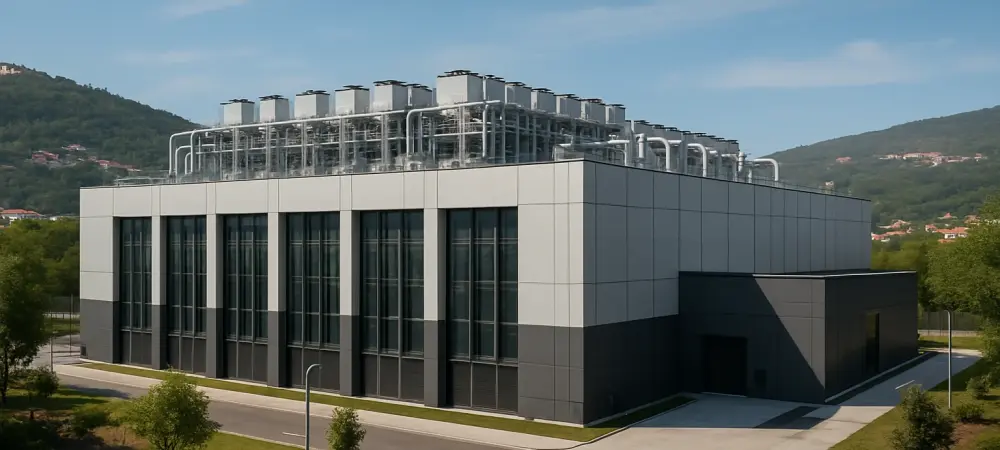
In an era where artificial intelligence is reshaping industries at an unprecedented pace, a staggering $10 billion investment by a tech giant in a European nation has captured global attention, signaling a transformative shift in the region’s technological landscape. With Europe striving for digital sovereignty and innovation, this project in Sines, Portugal—roughly 100 miles south of Lisbon—has sparked widespread discussion among industry leaders, policymakers, and tech enthusiasts. This roundup gathers diverse opinions, insights, and analyses from multiple sources to explore the implications of this ambitious endeavor, from its technological advancements to its economic and societal impacts.
Exploring the Technological Frontier in Sines
Cutting-Edge Infrastructure Sparks Excitement
The Sines facility is poised to become a cornerstone of AI infrastructure in Europe, equipped with 12,600 Nvidia GPUs and a planned capacity of 1.2GW across six buildings. Many tech analysts have hailed this as a groundbreaking development, noting that such advanced hardware sets a high standard for AI computing power on the continent. The consensus among industry observers is that this data center will enable complex AI workloads, supporting innovations in sectors ranging from healthcare to finance.
However, not all feedback is uniformly positive. Some technology experts express concern over the lack of transparency regarding how the capacity will be shared between the involved parties and their partners. Questions linger about whether this immense infrastructure will prioritize corporate interests over public access to AI resources. These differing views highlight a broader debate on balancing innovation with accountability in large-scale tech projects.
Environmental Considerations Raise Questions
Beyond the technological marvel, the environmental footprint of such a massive data center has become a focal point. Several sustainability advocates argue that the energy demands of a 1.2GW facility could strain local resources and contribute to carbon emissions if not powered by renewable sources. They urge clear commitments to green energy solutions as part of the project’s rollout.
On the other hand, some industry commentators suggest that advancements in energy-efficient cooling systems and partnerships with renewable energy providers could mitigate these concerns. This split in opinion underscores the need for transparent environmental strategies to accompany such significant investments. The dialogue continues to evolve as stakeholders weigh technological progress against ecological responsibility.
Economic and Strategic Impacts on Portugal
Positioning Portugal as a Tech Hub
A wide array of economic analysts view this investment as a catalyst for positioning Portugal as an emerging hub for AI innovation within Europe. The project aligns with a broader plan to expand data center capacity across 16 European countries by 2027, signaling a strategic focus on digital growth. Many believe that this could attract further foreign investment and nurture a thriving tech ecosystem in the region.
Conversely, some local economists caution against over-reliance on foreign tech giants, emphasizing the importance of developing homegrown talent and enterprises. They argue that without robust local policies to support small and medium-sized businesses, the economic benefits might disproportionately favor multinational corporations. This tension between global collaboration and national interests remains a critical discussion point.
Workforce Development as a Priority
Complementing the infrastructure focus, initiatives aimed at workforce development have garnered significant attention. Programs designed to equip students and professionals with AI skills are seen by many education specialists as essential for preparing society for a tech-driven future. Partnerships with platforms like LinkedIn to offer training are often cited as a forward-thinking approach to closing the digital skills gap.
Yet, some critics point out that such programs must be accessible to diverse demographics to avoid exacerbating existing inequalities. They advocate for targeted outreach to underrepresented groups to ensure broad societal benefits. This diversity of thought reflects a shared understanding that infrastructure alone cannot drive progress without parallel efforts in human capital development.
Ethical and Societal Dimensions of AI Expansion
Building Trust Through Responsible AI
The emphasis on ethical AI frameworks has resonated with many policy experts who stress the importance of governance in technology deployment. Collaborative efforts to establish responsible AI practices are frequently praised as a step toward building public trust. Industry leaders often highlight that integrating ethics into AI development is not just a moral imperative but also a competitive advantage.
However, skepticism persists among some civic organizations that question whether these frameworks will be enforced rigorously enough to prevent misuse of AI technologies. They call for independent oversight to ensure accountability. This divergence in perspectives reveals a broader challenge of aligning corporate goals with societal values in the rapidly evolving AI landscape.
Regional Implications Across Europe
Looking at the regional context, several European tech commentators note that Portugal’s investment stands out compared to other nations in the region, potentially setting a precedent for smaller economies to attract major tech projects. The focus on digital sovereignty resonates strongly with those who see Europe’s push for technological independence as a counterbalance to global tech dominance.
In contrast, others argue that such concentrated investments in select countries might widen disparities within Europe, leaving less digitally advanced nations behind. They suggest a more coordinated continental strategy to distribute benefits equitably. These contrasting opinions fuel an ongoing conversation about how best to integrate AI advancements into Europe’s diverse economic fabric.
Global Context and Strategic Vision
Fitting Into a Worldwide AI Strategy
From a global perspective, many international tech analysts see this Portuguese project as part of a larger pattern of investments spanning regions like North America, the Middle East, and other parts of Europe. The tailored approach to regional needs, while maintaining a commitment to cutting-edge infrastructure, is often commended as a hallmark of strategic planning by major tech firms.
Yet, some global policy watchers express concern that the race for AI dominance might prioritize speed over ethical considerations, potentially leading to regulatory gaps. They advocate for international collaboration to establish universal standards for AI development. This spectrum of views illustrates the complex interplay between local impact and global ambition in such investments.
Balancing Innovation With Oversight
Delving deeper into strategic implications, numerous industry voices emphasize the need to balance innovation with oversight to prevent unintended consequences. The focus on digital sovereignty in Europe is seen by many as a distinct approach compared to other markets, reflecting unique regional priorities. This perspective often garners support from those who value localized control over technological advancements.
On the flip side, a segment of business analysts argues that excessive regulation could stifle innovation, potentially causing Europe to lag behind more agile global competitors. They propose a flexible framework that encourages experimentation while safeguarding public interest. This ongoing debate encapsulates the delicate equilibrium tech giants must navigate in their worldwide endeavors.
Reflecting on Diverse Insights and Next Steps
Looking back, the discussions surrounding the $10 billion AI data center investment in Portugal reveal a rich tapestry of opinions, from enthusiasm for technological and economic progress to cautious calls for environmental and ethical accountability. The varied perspectives underscore the multifaceted nature of such large-scale projects, highlighting both the opportunities and challenges they present. As the dialogue unfolds, it becomes evident that no single viewpoint captures the full complexity of the initiative.
Moving forward, stakeholders are encouraged to delve into AI training programs to harness emerging opportunities and stay abreast of evolving digital policies in Europe. Local businesses might consider partnerships with tech initiatives to leverage cutting-edge tools, while policymakers could focus on crafting sustainable growth frameworks that prioritize both innovation and equity. Exploring case studies of similar investments in other regions could also provide valuable lessons, ensuring that the benefits of AI are realized in a balanced and inclusive manner.