

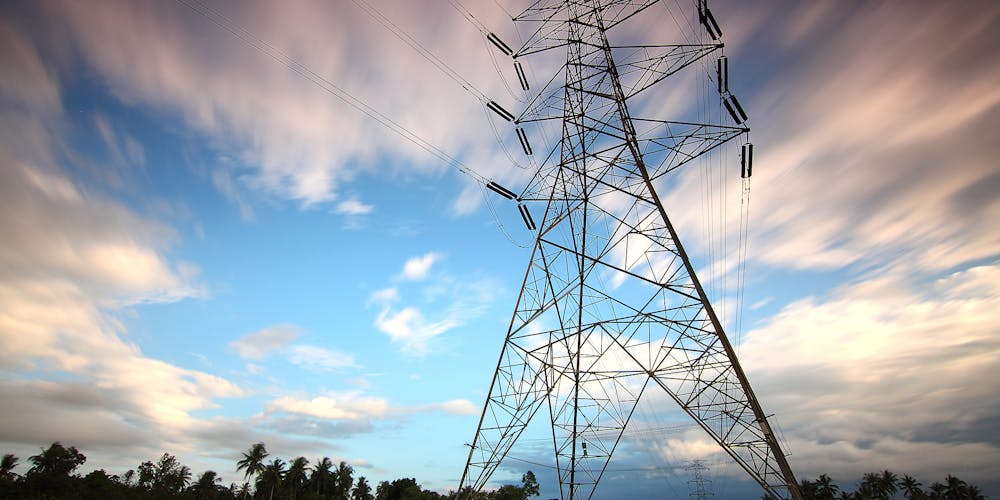
The explosive growth of artificial intelligence (AI) has promised revolutionary changes across a multitude of sectors—promising better healthcare diagnostics, revolutionizing our approach to poverty alleviation, and bolstering cybersecurity measures. However, there’s an inherent challenge that threatens to bottleneck this progression—the intense energy requirements of AI-driven data centers. As industry experts like Ali Fenn suggest, power is the key to sustaining and harnessing the boundless capabilities of AI. The existing power grid, designed and built for a different era, is facing a monumental test: Can it evolve quickly enough to support the relentless demands of AI without faltering?
The Power-Hungry Nature of AI
AI has often been depicted as a sort of digital alchemist, transforming vast data landscapes into invaluable insights and innovations. Its potential, while immense, is critically dependent on one prerequisite: power. Ali Fenn has pointed out that the power requirements of AI are downright staggering, with the energy needed to fuel the necessary computations surpassing current estimates. She argues that the full potential of AI, particularly its application in critical areas such as healthcare, is intricately tied to our ability to provide sufficient power. Unfortunately, the underestimation of AI’s growth trajectory has left many data centers on their back foot, scrambling to secure the energy they need to keep up.
Advancements in Energy Efficiency
Although the hunger for power is increasing, strides have been made in data center energy efficiency. Big tech companies like Meta and Google have shown that it’s possible to drastically reduce energy consumption—Meta cutting data center costs by a robust 33% and Google’s DeepMind AI system reducing cooling costs by an impressive 40%. These advancements are testament to the industry’s awareness of the issue and commitment to innovation. Microsoft has similarly stepped up, integrating AI to enhance data center security and streamline the energy footprint of their operations.
Rise of AI Robots and Generative AI
Generative AI, like that which powers ChatGPT, has become a major player in power consumption. Considering Sid Naq’s forecast that by 2025, as many as half of cloud data centers will incorporate advanced AI robots—expected to drive up operational efficiency by 30%—AI’s energy appetite is projected to grow. With predictions that AI could be responsible for around 75% of U.S. data center power usage by 2025, merely keeping the lights on will become a Herculean task. The pace at which AI’s energy demands are expanding seems to outstrip advances in energy efficiency, leaving data center operators facing a looming crisis.
Demand vs. Supply: A Looming Power Crisis
The scenario laid out by energy analysts paints a concerning picture. The current power demand from AI-driven operations is set to skyrocket from 2% to a whopping 7.5% of the total U.S. electricity by 2030, significantly outstripping the supply capabilities of today’s grids. The grid, an aging labyrinth of interconnected systems, is expected to be strained by the surge in AI-induced demand. The gap is noticeable—a projected 50 GW demand looms against the current 4 GW capacity at key data center sites. As traditional energy sources diminish with the global shift to renewable energy, replacing them quickly enough to keep up with AI’s growth poses another significant challenge.
Future-Proofing Electrical Grids
Ali Fenn advocates for a future where flexibility is the cornerstone of our electrical system—a dual approach that amplifies both demand response initiatives and supply to meet peak requirements. Constructing such a resilient grid would depend heavily on real-time data and predictive analytics, sectors that necessitate substantial innovation. Developing a more adaptive, intelligent grid is vital for ensuring uninterrupted power supply, not just for data centers but also for the urban areas surrounding them.
The Evolution of Data Centers
The next generation of data centers may resemble contemporary power plants in both complexity and operational scope. These multi-gigawatt facilities will bear witness to our capacity for innovation, as their construction and operation will primarily be influenced by two critical factors: power availability and networking capabilities. The requirements for power will significantly dictate everything from their location to the details of their design and management. As these massive data centers become more sophisticated, seamless integration with utility providers will be indispensable.
AI and Grid Optimization
Artificial Intelligence (AI) is revolutionizing various industries, promising to enhance healthcare, combat poverty, and strengthen cybersecurity. However, the impressive potential of AI encounters a significant obstacle: the enormous energy demands of the data centers that power it. Industry experts like Ali Fenn recognize that energy is essential for maximizing AI’s vast capabilities. The current power grid, constructed for a previous era, now faces a pivotal challenge. It must adapt swiftly to meet the relentless energy needs of AI technologies. The question looms: Is our existing grid capable of keeping pace with AI’s rapid growth without succumbing to pressure? The future of AI’s transformative impact hinges on our power systems’ ability to evolve and keep up with its escalating demands.